

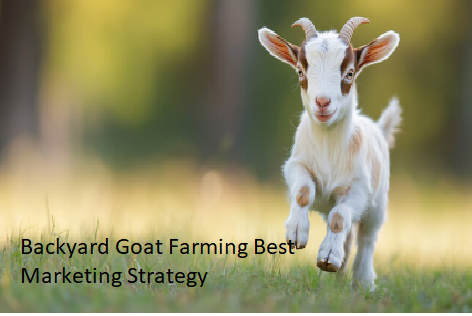
Developing a backyard goat farming best marketing strategy requires balancing local regulatory constraints with the unique appeal of small-scale, artisanal animal husbandry. Success in this niche relies on moving beyond simple commodity sales and instead focusing on the high-value, direct-to-consumer relationships that define the modern homesteading movement.
By identifying your specific target audience—whether they are local chefs, raw milk enthusiasts, or families seeking sustainable meat—you can build a brand that justifies premium pricing. This article explores how to position your herd, leverage digital tools, and manage the logistics of selling goat products profitably from your own property.
The most effective approach to marketing your goats starts with identifying your highest-margin product and selling it directly to your neighbors. For most small-scale producers, the backyard goat farming best marketing strategy centers on niche product differentiation. You cannot compete with large-scale industrial farms on volume or price per pound.
Instead, you must compete on quality, transparency, and the story of your animals. If you raise dairy goats, your primary value proposition is the freshness and health benefits of raw or pasteurized goat milk compared to store-bought alternatives. If you focus on meat, your strength is the ethical, humane treatment of the animals, which appeals to conscious consumers willing to pay a premium.
Understanding Your Target Market
Before you sell a single pound of cheese or a single kid, you must define exactly who is buying your products. Most backyard operations fail because they try to market to everyone, which results in reaching no one effectively.
Your ideal customer is likely someone who values local food systems and is willing to pay 20% to 50% more than supermarket prices for quality. This customer often researches the source of their food and cares deeply about animal welfare standards.
You should segment your potential buyers into three distinct categories to refine your outreach. First, consider the “health-conscious” segment, which includes people with lactose sensitivity who find goat dairy easier to digest.
Second, target the “culinary enthusiast” demographic, such as local restaurant chefs or home cooks who value the unique flavor profiles of artisanal goat meat or chèvre. Finally, look at the “homesteader-in-training” crowd, who may be interested in purchasing your weaned kids to start their own small herds.
Leveraging Digital Platforms for Visibility
While word-of-mouth is the bedrock of rural commerce, your digital footprint acts as your storefront. You do not need a complex website to start, but you do need a professional-looking social media presence that highlights your animal care practices.
Use platforms like Instagram or Facebook to document the daily life of your herd, as customers are far more likely to buy from someone they feel they know. High-quality photos of happy, healthy goats in a clean, green pasture are more effective than any paid advertisement.
Consistency in your digital narrative is key to maintaining interest. Post updates about kidding season, share recipes for goat milk soap or yogurt, and show the behind-the-scenes work of maintaining a sanitary milking parlor. When you share the reality of your farm—including the challenges—you build trust.
This transparency is a cornerstone of the backyard goat farming best marketing strategy because it proves you aren’t an industrial operation. Always include your general location and contact methods in your bio to make it easy for local customers to reach out.
Pricing Strategies for Small-Scale Profitability
Pricing your products correctly is often the most difficult step for new farmers. If you price too low, you signal that your product is of lower quality and you will struggle to cover your feed and veterinary costs.
If you price too high without a strong brand, you will sit on excess inventory. Conduct a “competitor audit” by checking local farmers’ markets and online classifieds to see what others in your region charge for similar products.
Use the following table to understand how different product categories generally command different market rates in a direct-to-consumer model.
| Product Category | Pricing Strategy | Typical Margin Potential |
|---|---|---|
| Raw Goat Milk | Premium Local Pricing | High (low processing overhead) |
| Artisanal Cheese | Tiered Weight Pricing | Very High (value-added) |
| Goat Meat (Chevon) | Per-Pound or Per-Animal | Moderate (requires processing) |
| Breeding Stock | Genetics-Based Pricing | High (requires reputation) |
Building Relationships with Local Retailers
While direct sales from your farm gate offer the highest margins, forming partnerships with local businesses can provide the consistent volume needed to grow. Approach local boutique grocers or farm-to-table cafes with samples of your product.
When a chef uses your goat meat as a featured ingredient in a seasonal dish, their endorsement carries significant weight. This creates a “halo effect” where their customers become your customers.
Keep your pitch simple and professional. Provide a clear list of what you can supply, the frequency of your deliveries, and your health certification status.
Many states have specific regulations regarding the sale of dairy products, so always consult the United States Department of Agriculture guidelines to ensure you are operating within the law. Being a reliable partner who delivers on time and maintains consistent quality will do more for your bottom line than any marketing campaign.
The Role of Community Engagement
You are not just selling milk or meat; you are selling a connection to the land. Host small, farm-based events like “goat yoga” or “meet the herd” days to get people onto your property.
When a family sees your goats grazing, they are far more likely to subscribe to your milk share program or commit to purchasing meat in the fall. These interactions convert casual observers into loyal, long-term advocates for your business.
Community presence also extends to local farmers’ markets, which serve as excellent testing grounds for new products. If you are developing a new flavor of goat cheese or a line of skincare products, bring them to the market to gather immediate feedback.
Watch what people ask about and what they walk past. This real-world data is invaluable for refining your inventory and focusing your production on what actually sells.
Managing Seasonal Demand Cycles
Goat farming is inherently seasonal, which dictates your marketing calendar. Your production will peak during the spring and summer when forage is abundant and does are in milk.
You need to plan your marketing to match these natural ebbs and flows. During the winter, when milk production slows, shift your marketing focus toward value-added products like soaps, lotions, or even wool-based items if you keep meat breeds.
This seasonality can be a marketing advantage if you frame it correctly. Use “limited edition” language to drive sales during peak production months.
Let your customers know that your fresh milk is only available during the grazing season, which creates a sense of urgency. This scarcity mindset is a proven tool in a successful backyard goat farming best marketing strategy, as it encourages customers to buy in bulk or reserve their share in advance.
Regulatory Compliance as a Marketing Asset
Many backyard farmers view regulations as a burden, but they can actually be a powerful marketing tool. If you invest the time and money to become a certified Grade A dairy, you can use that certification to prove the safety and quality of your product.
In an era where food safety concerns are common, having an official seal of approval provides peace of mind to your customers. It separates you from the “hobbyist” down the road who may not follow strict sanitation protocols.
Display your permits and certifications prominently on your website and at your farm stand. Explain what these certifications mean in plain English so your customers understand the effort you put into maintaining a clean operation.
When you show that you go above and beyond the minimum legal requirements, you justify the premium prices you charge. Quality assurance is not just about compliance; it is about building a reputation for excellence.
Frequently Asked Questions
How do I determine the right price for my goat milk?
Start by calculating your total cost of production per gallon, including feed, minerals, veterinary care, and packaging. Research the prices of raw milk in your specific state, as some regions have higher demand and lower supply, allowing for higher price points. Remember to factor in the labor time required for milking and sanitizing equipment.
What is the most profitable goat product for a small farm?
For most small-scale backyard operations, value-added products like artisanal goat cheese or specialized skincare items like goat milk soap offer the highest profit margins. These items have a longer shelf life than raw milk and allow you to showcase your brand identity. You can often sell these items at a higher price per ounce than fresh liquid milk.
Is it better to sell at markets or directly from the farm?
Both channels have benefits, but farm-gate sales are generally more profitable because they eliminate the middleman and the costs associated with market stall fees. However, farmers’ markets are superior for building your brand awareness and finding new, consistent customers. Many successful farms use a hybrid model, using markets for acquisition and farm-gate sales for retention.
How do I handle legal restrictions on selling goat products?
Always check your local and state Department of Agriculture websites to understand the laws regarding “herd shares” or raw milk sales, as these vary wildly by jurisdiction. Some states allow direct-to-consumer sales with minimal oversight, while others have strict testing and labeling requirements. Never attempt to bypass these laws, as a single incident of foodborne illness could permanently end your farming operation.
What if I don’t have enough volume to supply a store?
Focus on the “niche” approach rather than trying to supply a large store. Instead of a grocery chain, look for a small, independent coffee shop or a boutique specialty store that appreciates local, small-batch products. These businesses are often willing to work with smaller volumes if the quality is high and the story behind the product is compelling.
Conclusion
Building a sustainable operation requires patience, attention to detail, and a commitment to quality over quantity. By implementing a backyard goat farming best marketing strategy that emphasizes direct relationships and product transparency, you can create a business that is both personally fulfilling and financially viable. Focus your efforts on the customers who appreciate the effort you put into your herd, and never stop refining your production based on the feedback you receive.
Your ability to tell the story of your farm will ultimately determine your success more than any single marketing tactic. Start small, stay consistent, and continue to engage with your local food community to ensure long-term growth. If you remain dedicated to your animals and your customers, you will find that a small backyard herd can indeed become a significant and profitable asset.
