

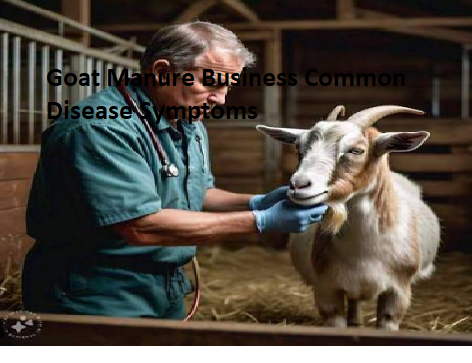
Understanding goat manure business common disease symptoms is vital for anyone managing a herd for fertilizer production or agricultural output. When goats fall ill, their output changes, and the composition of their waste can become a vector for pathogens that compromise your product quality.
Identifying these issues early helps protect your investment, ensures the safety of your organic fertilizer supply chain, and maintains the overall health of your livestock. This information provides a technical baseline for identifying critical health markers that every producer should monitor daily to keep their operation running smoothly and safely.
Primary Indicators of Herd Health
The first sign of trouble in a goat herd often appears in the animal’s behavior and physical presentation long before the manure itself shows visible changes. A healthy goat is typically alert, maintains a steady appetite, and moves with a fluid, coordinated gait. When you notice a goat lagging behind the group or showing a lack of interest in high-quality forage, you are looking at the earliest warning sign of systemic stress.
Fever is another critical indicator that frequently precedes gastrointestinal distress or respiratory infections. You can identify a fever by feeling for heat in the ears or by using a digital rectal thermometer to confirm a temperature above the 102.5°F to 104°F range. If a goat stops ruminating, it is an emergency that requires immediate intervention because the rumen is the engine of the animal’s metabolism.
Changes in coat condition often signal long-term health issues like internal parasite loads or nutritional deficiencies. A dull, dry, or patchy coat suggests that the animal’s body is prioritizing survival over skin and hair maintenance. This is frequently linked to heavy worm burdens, which directly impact the quality of manure produced, as the waste will contain higher concentrations of parasite eggs.
Gastrointestinal Distress and Manure Quality
In the context of the goat manure business, common disease symptoms often manifest directly in the texture and consistency of the waste. Healthy goat manure should appear as firm, distinct, dark-colored pellets. If you observe clumping, watery diarrhea, or a distinct lack of pellet formation, the herd is likely experiencing an enteric infection.
Coccidiosis is perhaps the most common culprit for these symptoms in young kids. It causes a foul-smelling, often bloody or mucus-filled stool that can quickly lead to dehydration and death if left untreated. For a business owner, this is a major red flag because it indicates an environment with poor sanitation that allows oocysts to thrive.
Another serious concern is Johne’s disease, which is a chronic bacterial infection that causes persistent, unresponsive diarrhea and extreme weight loss. While the manure in this case may not always be watery, it becomes a reservoir for the bacteria Mycobacterium avium subspecies paratuberculosis. This creates a significant biosecurity risk for your entire facility and your final fertilizer product.
Identifying Parasitic Infections
Internal parasites remain the most frequent cause of illness in commercial goat operations. The FAMACHA scoring system is a standardized method for assessing anemia levels by checking the color of the lower eyelid membranes. A pale eyelid indicates a heavy infestation of Haemonchus contortus, or barber’s pole worm, which consumes the animal’s blood.
These parasites do not just weaken the goat; they alter the nutrient profile of the manure. When a goat is fighting a heavy worm burden, its digestive efficiency drops, leading to undigested nutrients being passed through the system. This results in manure that may ferment improperly during the composting process, potentially leading to ammonia spikes.
You should perform regular fecal egg counts to monitor the parasite load of your herd. By working with a veterinarian, you can establish a baseline for your specific farm. This data allows you to target your deworming treatments rather than relying on blanket applications that contribute to drug resistance.
Respiratory Issues and Herd Productivity
Respiratory infections, such as pneumonia, can be devastating to a commercial goat operation. Symptoms include nasal discharge, labored breathing, and a persistent cough that echoes through the barn. Because these infections are often exacerbated by poor ventilation or high humidity, they are directly related to the management practices of your facility.
When a goat is struggling to breathe, its feed intake drops significantly. This lack of consumption leads to a decrease in manure output, which directly impacts your revenue stream if you are selling volume-based fertilizer products. Furthermore, the stress of a respiratory illness weakens the animal’s immune system, making it susceptible to secondary infections.
Maintaining dry bedding is the most effective way to prevent the spread of respiratory pathogens. If your manure management system is inefficient, it can lead to high ammonia levels in the air. This gas irritates the lining of the goats’ lungs, creating a perfect environment for bacterial pneumonia to take hold.
Biosecurity and Disease Transmission
Protecting your business requires a strict biosecurity protocol to prevent the introduction of new pathogens. Any new goats entering the herd should undergo a mandatory quarantine period of at least 30 days. During this time, you must monitor them for any signs of illness or unusual manure consistency.
Foot-and-mouth disease or various forms of contagious ecthyma, commonly known as orf, can spread like wildfire through a herd. Orf manifests as scabs around the mouth and nose and is highly contagious to humans. Handling infected animals requires wearing gloves and dedicated clothing to ensure you do not carry the virus to other areas of the farm.
Cleaning and disinfecting equipment is equally important. Manure spreaders, shovels, and boots should be sanitized regularly to stop the cycle of reinfection. You can find detailed protocols for maintaining a clean facility through the United States Department of Agriculture animal health resources.
Nutritional Deficiencies and Disease
Sometimes, what looks like a disease is actually a metabolic disorder caused by poor nutrition. Goats are browsers, not grazers, and they require a specific balance of minerals to maintain their health. A deficiency in copper, for instance, can lead to a rough coat, weight loss, and reduced fertility.
When goats are nutritionally stressed, they are more susceptible to all other diseases. Their immune systems cannot respond effectively to minor infections, turning what would be a two-day illness into a chronic condition. You must ensure that your animals have access to high-quality browse or hay and a mineral mix designed specifically for goats.
Overfeeding grain is another common mistake that leads to acidosis. When the rumen becomes too acidic, the goat goes off its feed and may develop diarrhea. This shift in rumen pH is a common cause of manure quality issues that are easily preventable through better dietary management.
Data Tracking for Herd Management
To effectively manage a goat manure business, you must treat your herd health records with the same rigor as your financial statements. Tracking individual health events allows you to identify patterns that might otherwise go unnoticed. For instance, if you notice a spike in diarrhea cases during a specific month, you can correlate that with seasonal weather patterns or changes in feed.
| Health Metric | Ideal Status | Warning Sign |
| :— | :— | :— |
| Temperature | 102.5°F – 104°F | > 104.5°F |
| FAMACHA Score | 1 (Red/Pink) | 4 or 5 (Pale/White) |
| Manure Texture | Firm Pellets | Watery or Clumped |
| Appetite | Active Browsing | Standing Idle |
| Respiratory Rate | 15-30 bpm | Rapid/Labored |
Using a simple ledger or digital app to record these metrics will help you make informed decisions about your herd. It also provides valuable history if you ever need to consult a veterinarian about a recurring problem. Consistent documentation is the hallmark of a professional operation.
Preventative Maintenance Measures
Preventing disease is significantly cheaper than treating it. Your operation should be built on a foundation of proactive care that minimizes the risk of infection. Consider the following strategies for maintaining a healthy, high-output herd:
- Implement a strict vaccination schedule for common diseases like Clostridium perfringens and tetanus.
- Ensure all goats have access to clean, fresh water at all times to prevent the spread of water-borne pathogens.
- Provide adequate shelter that protects the animals from rain, wind, and extreme heat.
- Rotate pastures frequently to prevent the buildup of parasite larvae in the soil.
- Maintain a closed herd policy whenever possible to limit the introduction of new bacteria.
- Conduct routine hoof trimming to prevent foot rot, which causes pain and reduced mobility.
- Isolate any animal showing signs of illness immediately to protect the rest of the herd.
These steps create a robust defense against the most common health threats. By focusing on environmental hygiene, you naturally reduce the pressure on your animals’ immune systems. This leads to more consistent manure production and a higher-quality end product for your customers.
Conclusion
Managing the health of your herd is the most important factor in the success of your fertilizer production enterprise. By staying vigilant and learning to recognize the common disease symptoms associated with goat manure production, you can avoid the financial losses associated with sick animals and compromised product quality. Remember that the health of the goat is directly reflected in the quality of the waste they produce.
Prioritizing clean facilities, balanced nutrition, and strict biosecurity protocols will set your business apart from less careful competitors. If you notice persistent issues, do not hesitate to consult with a veterinarian who specializes in small ruminants.
Keeping a close eye on your animals today ensures that your business remains profitable and sustainable for the long term. Start by implementing a daily observation routine and documenting your findings to build a healthier, more resilient herd.
