

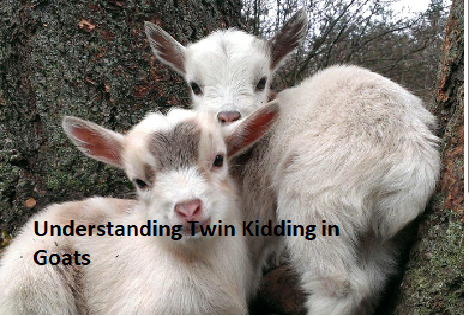
Achieving successful twin kidding in goats is a primary goal for many livestock producers looking to maximize their herd’s productivity. Understanding the biological factors that influence litter size helps breeders make informed decisions regarding nutrition, genetics, and overall management. While single births are common, twins often represent the sweet spot for balance between kid vitality and the dam’s physical capacity to provide adequate nutrition.
This article explores the mechanics of goat reproduction, specifically focusing on how to encourage and manage multiple births effectively. By applying consistent management practices, owners can significantly improve their annual kidding rates and overall farm profitability.
How common are twins in goats?
Twin kidding in goats is widely considered the ideal outcome in commercial and hobbyist operations, with many breeds averaging between 1.5 and 1.8 kids per birth. In highly productive dairy breeds like the Alpine or Saanen, twinning is the statistical norm rather than the exception. While the rate varies by breed, nutrition, and age, you can generally expect that a healthy, mature doe will produce twins if she is in good body condition during the breeding season. Younger does, particularly yearlings, are more likely to produce a single kid, while older does often settle into a predictable pattern of triplets or twins.
The Biological Basis for Multiple Births
The likelihood of a goat producing twins is determined by a combination of genetics and environmental factors that trigger the release of multiple eggs during estrus. This process, known as polyovulation, is directly influenced by the hormonal cycle of the doe. When a doe enters her peak breeding season, her endocrine system naturally increases the production of follicle-stimulating hormones. These hormones stimulate the ovaries to release more than one ovum, which significantly increases the odds of a multiple pregnancy.
Genetics play a foundational role in this process, as certain bloodlines are predisposed to higher fecundity. If you are selecting breeding stock, look for dams that have a consistent history of producing twins.
Breeders often track these maternal traits over several generations to establish a herd with a high twinning rate. While you cannot control the exact number of eggs released, choosing a buck from a line known for high-producing females can positively influence the genetic potential of your future offspring.
Nutritional Strategies for Increasing Fecundity
Flushing is a common management technique used to increase the rate of twin kidding in goats by providing a nutritional boost just before the breeding season. This practice involves increasing the energy intake of the does about two to three weeks before introducing the buck. By providing high-quality forage or a small amount of supplemental grain, you signal to the doe’s body that resources are plentiful. This nutritional surplus often encourages the ovaries to release multiple eggs, effectively boosting the chances of conception for twins.
Maintaining an optimal body condition score is just as important as the act of flushing itself. A doe that is too thin will struggle to support a pregnancy, let alone a multiple birth, while an overweight doe may experience hormonal imbalances that hinder fertility. Aim for a body condition score of 3 out of 5 during the breeding phase.
You should be able to feel the ribs with light pressure but not see them clearly. Consistent access to high-quality minerals, particularly selenium and vitamin E, is also essential for reproductive health.
Managing the Kidding Process for Twins
When dealing with twin kidding in goats, the labor process often requires more observation than a single birth. The first kid typically arrives after the dam has gone through the standard stages of labor, including nesting, restlessness, and pushing. Once the first kid is born, the doe may take a short rest before the second one follows. This interval can range from a few minutes to over an hour, so patience is a critical tool for the shepherd.
It is important to monitor the position of the second kid if there is an extended delay between births. If the dam is straining intensely for more than 45 minutes without progress after the first birth, she may need assistance.
Always keep a clean kit nearby, including sterile gloves, lubricating gel, and a mild antiseptic. Being prepared allows you to intervene safely if a kid is presented in an abnormal position, such as a leg back or a head turned to the side.
Tracking Success Rates Across Breeds
Different breeds exhibit varying tendencies toward twinning, which is an important consideration for your farm’s goals. Some breeds, such as the Kiko or Boer, were specifically selected for their reproductive efficiency and hardiness. Dairy breeds, conversely, have been selected for milk production, but this selection process often correlates with high fecundity as well. The following table provides a general overview of expected kidding rates across common goat categories.
| Breed Category | Average Kids Per Kidding | Primary Breeding Goal |
|---|---|---|
| Dairy (Alpine/Saanen) | 1.6 – 1.9 | Milk production |
| Meat (Boer) | 1.5 – 1.8 | Growth and muscle |
| Fiber (Angora) | 1.1 – 1.3 | Mohair quality |
| Heritage/Landrace | 1.2 – 1.5 | Hardiness |
Post-Kidding Care for Multiples
Once twin kidding in goats is complete, the immediate focus shifts to ensuring both kids receive adequate colostrum. Colostrum is the nutrient-dense, antibody-rich first milk that provides the kids with essential immunity for their first few months of life. In a twin scenario, the dam may sometimes favor one kid, or the smaller twin may struggle to compete for the teat. You must observe the pair closely during the first 24 hours to ensure that both are nursing effectively and gaining strength.
If you find that one kid is being pushed away, you may need to intervene by holding the doe to allow the smaller kid to nurse. Providing a warm, dry, and draft-free environment is also vital for the first few days.
Kids born in the winter months are particularly susceptible to cold stress. Using heat lamps or sweaters for the smaller twin can make a significant difference in their survival rate during the critical first week of life.
Common Challenges with Multiple Births
While twins are desirable, they do bring specific challenges that managers must address to prevent losses. The most common issue is the strain placed on the doe’s mammary system and her overall metabolic reserves. A doe carrying and nursing twins requires significantly more protein and energy than one nursing a single kid. If her nutritional needs are not met during late gestation, she may develop pregnancy toxemia, a dangerous condition caused by an energy deficit.
Another challenge is the potential for unequal growth between the twins. The larger, more aggressive kid often dominates the teat, leaving the smaller sibling stunted if not managed correctly.
Regularly weighing the kids or using a visual assessment can help you identify if one is falling behind. Supplemental bottle feeding is sometimes necessary for the smaller twin, though it should be a last resort to avoid disrupting the maternal bond or the kid’s reliance on natural antibodies.
Essential Supplies for Kidding Season
Having a well-stocked kidding kit is a hallmark of an prepared breeder. When planning for the arrival of twins, you should ensure that your equipment is clean, accessible, and in good working order. Proper preparation reduces the stress on both the animal and the human caretaker during the potentially hectic moments of birth. You can find more detailed veterinary advice on animal health through the American Veterinary Medical Association resources.
- Sterile surgical gloves for internal examinations
- Non-toxic, water-soluble lubricant for assisting births
- Iodine solution for dipping the umbilical cords of newborns
- Colostrum replacer or frozen colostrum for emergencies
- A reliable digital thermometer to check for fever in the dam
- Towels and clean bedding for keeping the area sanitary
- A sturdy, portable heat lamp for cold-weather kidding
Frequently Asked Questions
How soon can a goat be bred after kidding?
Most breeders recommend waiting at least six to eight months after a doe has given birth before breeding her again. This allows her body to fully recover from the physical demands of gestation and lactation. Breeding too soon can result in poor body condition, lower milk production, and a higher risk of complications in the subsequent pregnancy.
Can a goat have triplets instead of twins?
Yes, it is quite common for highly fertile breeds to produce triplets or even quads. While this can seem like a bonus, it is often more difficult for the doe to maintain the health of three or four kids. You should be prepared to provide supplemental nutrition to the doe and potentially bottle-feed the extra kids if she cannot produce enough milk.
Does the age of the doe affect the number of kids?
The age of the doe is a significant factor in litter size. Yearling does are biologically less likely to produce twins, while mature does in their prime—typically between three and six years of age—are the most likely to have multiple births. As a doe reaches her senior years, her fertility often begins to decline, and she may return to producing single kids.
Why would a doe reject one of her twins?
Rejection of a kid is often a sign of stress, exhaustion, or a lack of maternal experience. In some cases, the doe may be overwhelmed by the arrival of multiple kids and focus all her energy on the strongest one. Spending time in the pen with the dam and her kids, providing quiet, and ensuring the doe is well-fed can often help resolve these behavioral issues.
Should I supplement grain during the final month of pregnancy?
Yes, increasing the energy density of the diet during the final four to six weeks of gestation is critical for twin-bearing does. This period is when the fetus grows most rapidly, and the doe’s capacity for rumen intake decreases as the kids take up more space in her abdomen. Providing high-quality alfalfa hay and a balanced grain ration helps prevent metabolic issues like ketosis.
Final Thoughts on Herd Management
Managing twin kidding in goats is a rewarding aspect of livestock farming that requires a blend of keen observation and proactive planning. By focusing on the health of the dam through proper nutrition and selective breeding, you set the stage for a productive season. Remember that every kidding is unique, and your ability to respond to the needs of both the mother and her newborns will determine the long-term success of your operation.
As you gain experience, you will become more adept at identifying the signs of labor and knowing exactly when to step in. Always prioritize the welfare of your animals and maintain a clean environment to ensure the best possible start for every kid. With consistent care and attention to the biological needs of your herd, you can look forward to a healthy and prosperous kidding season each year.
