

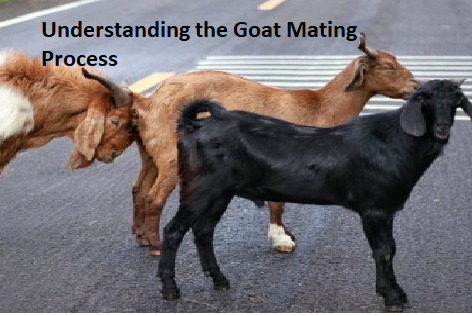
Understanding the goat mating process is essential for any producer aiming to manage a healthy, productive herd. By recognizing the physical and behavioral signs of estrus, owners can effectively plan for breeding cycles, ensure successful conception, and predict kidding dates with greater accuracy.
This knowledge helps minimize reproductive waste and maximizes the genetic potential of your livestock. Mastering these biological triggers transforms the way you approach herd management, moving from guesswork to informed, data-driven decisions that improve overall farm efficiency.
The goat mating process begins when a female, known as a doe, enters estrus—a period of sexual receptivity commonly referred to as being “in heat.” During this time, the doe releases specific pheromones that signal her availability to the buck. She will typically exhibit restlessness, increased vocalization, and a noticeable wagging of her tail.
Producers often observe a swollen or reddened vulva accompanied by a clear or slightly cloudy vaginal discharge. These physical cues are the most reliable indicators that the window for successful breeding has opened.
Key Reproductive Indicators
Identifying the onset of heat is the most critical step in managing the breeding season. A doe’s cycle generally lasts between 18 and 22 days, with the actual standing heat phase lasting roughly 24 to 36 hours. If you are monitoring a herd, you might notice the doe persistently seeking out the buck or standing still to allow him to approach.
Some does will even mount other females in the pasture as a display of hormonal activity. Keeping accurate records of these dates allows you to predict the next cycle if the initial breeding attempt fails.
Behavioral Signs of Estrus
| Behavioral Sign | Frequency/Intensity |
|---|---|
| Tail wagging | High frequency during peak heat |
| Increased bleating | Frequent, often persistent |
| Mounting others | Common in group settings |
| Reduced appetite | Occasional, not universal |
The buck plays an equally vital role in the mating process, often becoming more aggressive or vocal as he detects the scent of a doe in heat. He will perform a specific sequence of movements, including the “flehmen response,” where he curls his upper lip to better detect pheromones.
Once he confirms the doe is receptive, the actual mounting and copulation occur quite rapidly. A successful act of breeding typically takes only a few seconds, though the buck may attempt to mount multiple times over several hours.
Managing the Breeding Season
For most seasonal breeders, the surge in daylight hours or the shortening of days triggers the hormonal shifts necessary for reproduction. In many temperate regions, this means the breeding season kicks off in late summer or early autumn.
You can influence this by introducing a buck to the herd, a phenomenon often called the “buck effect,” which can stimulate non-cycling does to begin ovulating. This technique is a powerful tool for synchronizing births, allowing you to manage kid crops more effectively.
Nutritional Requirements for Success
Proper nutrition, often called “flushing,” can significantly increase the chances of a successful pregnancy. By increasing the energy intake of your does about two to three weeks before the anticipated breeding date, you encourage multiple ovulations.
Providing high-quality forage or a small amount of supplemental grain ensures the does are in peak physical condition. A doe that is too thin or significantly overweight often struggles to conceive, highlighting the link between nutrition and reproductive success.
Monitoring for Conception
After the buck has been with the herd, you must watch for signs that the doe has successfully conceived. The most obvious indicator is the absence of heat cycles in the following 21 days.
If a doe returns to heat, it suggests the first mating attempt did not result in a pregnancy. Experienced breeders often use marking harnesses on their bucks, which leave a colored pigment on the doe’s back, providing visual confirmation of breeding activity.
Common Challenges in Breeding
Reproductive failure can stem from several factors, including mineral deficiencies, infectious diseases, or extreme weather stress. Selenium and copper levels are particularly important for goat fertility; a deficiency in these minerals can lead to irregular cycles or early embryonic death.
If your herd is consistently failing to conceive, consulting a veterinarian to perform a breeding soundness exam on the buck is a prudent step. Often, a single infertile or sub-fertile buck can delay the entire production schedule of a farm.
Record Keeping and Genetics
Maintaining detailed logs of the goat mating process is a standard practice for high-performing herds. You should track the date of first exposure, the date of observed mating, and the anticipated due date for each doe.
This data becomes invaluable for culling decisions, as it helps identify which animals are consistently productive and which are not. For more information on herd health and management, you can refer to the resources provided by the eXtension Foundation regarding small ruminant health standards.
Frequently Asked Questions
How long does the goat mating process take for the male?
The actual act of copulation in goats is extremely brief, typically lasting only a few seconds. While the process of courting, sniffing, and confirming the doe’s receptivity can take hours, the physical mating itself is near-instantaneous.
How often does a female goat come into heat?
A doe will typically cycle every 18 to 22 days throughout the breeding season if she is not pregnant. This cycle will repeat until she is successfully bred or until the seasonal breeding window closes.
Why do female goats mount each other?
Mounting is a common social and hormonal behavior that indicates a doe is in or near the peak of her heat cycle. It serves as a visual signal to the buck that she is receptive to mating, even if another doe is the one performing the action.
How do I know if the mating was successful?
The most reliable sign is that the doe does not return to heat within 21 days after the breeding date. Some producers also use ultrasound scanning performed by a professional technician between 30 and 45 days post-breeding to confirm pregnancy.
Can a buck breed too many does at once?
Yes, a buck can experience “breeding fatigue” if he is tasked with servicing too many females in a short period. A common rule of thumb is to allow one mature buck for every 30 to 50 does, depending on his age and overall physical stamina.
Conclusion
Managing the goat mating process effectively requires a blend of observational skill and consistent record-keeping. By paying close attention to the behavioral cues of your does and ensuring your buck is in peak physical health, you establish the foundation for a productive kidding season. Remember that nutrition and mineral balance are just as important as the timing of the mating itself.
Taking the time to monitor these biological rhythms ensures that your herd remains healthy, fertile, and profitable year after year. Always reach out to local agricultural extension agents if you notice persistent issues with conception rates, as they can provide region-specific advice that accounts for local forage and climate conditions. Your attention to these details directly impacts the long-term success of your livestock operation.
