

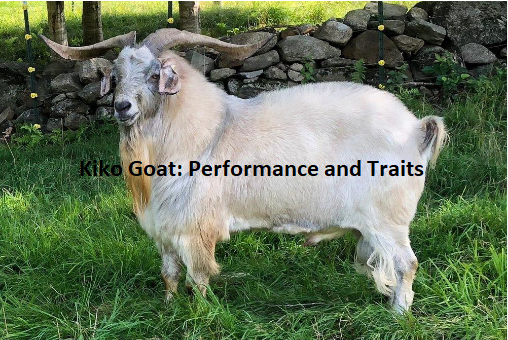
The Kiko goat represents a significant development in modern livestock management, specifically bred for hardiness and meat production in challenging environments. Developed in New Zealand during the 1980s, this breed has gained international recognition for its ability to thrive under minimal human intervention. Ranchers often choose these animals for their exceptional mothering instincts and parasite resistance.
Understanding the unique biological advantages of this breed helps producers make informed decisions about their grazing operations. By focusing on survival traits, the breed offers a reliable solution for goat farmers looking to reduce veterinary overhead while maintaining high yields.
Origins and Development of the Breed
The story of the Kiko goat began with a selective breeding program in the rugged terrain of New Zealand. Breeders crossed local feral goats with improved dairy breeds like the Saanen and Nubian to create a superior meat animal.
The primary goal was to survive and prosper in harsh, mountainous environments without constant care. This focus on “survival of the fittest” meant that animals unable to thrive on forage alone were culled from the breeding pool.
By the 1990s, the genetics of these goats had stabilized into a distinct breed known for its resilience. They were imported into the United States, where they quickly gained a reputation as a functional meat breed.
Unlike many show-focused breeds, the Kiko focuses entirely on weight gain and reproductive efficiency. This history of natural selection remains the defining characteristic of the breed today.
Key Physical Characteristics
A Kiko goat is easily identified by its alert posture and sturdy, muscular frame. Most individuals possess a medium-to-large build with a coat that can vary in color, though white is common.
Their ears are generally upright or slightly drooping, depending on the specific genetic line. They lack the extreme fragility seen in some specialized dairy breeds, making them ideal for rough pasture.
The horns of these animals are typically large and spiraled, serving as both a defense mechanism and a sign of vitality. A mature buck can weigh between 150 and 200 pounds, while does usually range from 100 to 150 pounds.
Their hooves are remarkably tough, resisting the rot common in wetter climates. This physical durability is a direct result of their ancestry in the steep, unpredictable New Zealand hills.
Performance in Meat Production
Meat production serves as the primary economic driver for those raising this breed. Because they grow rapidly on forage alone, they are highly efficient at converting pasture into muscle.
Many producers find that these goats reach market weight faster than traditional breeds when kept in extensive grazing systems. This efficiency translates directly into lower feed costs for the farmer.
The meat quality is often described as lean and flavorful, appealing to niche markets looking for goat protein. Because the animals do not require heavy grain supplementation to maintain body condition, the overall carbon footprint of the operation is lower.
Producers often crossbreed their Kiko bucks with other breeds to introduce hybrid vigor into their herds. This practice, known as terminal crossing, results in kids that grow significantly faster than purebred offspring.
Parasite Resistance and Health
One of the most praised traits of the Kiko goat is its natural resistance to internal parasites. In many goat breeds, worms are the leading cause of mortality and reduced weight gain.
Kiko animals have evolved to manage parasite loads without requiring frequent chemical deworming. This trait is a massive advantage for sustainable and organic farming operations.
Veterinary costs drop significantly when managing a herd that does not rely on synthetic anthelmintics. By reducing the reliance on drugs, farmers also help prevent the development of resistant parasite strains on their land.
Proper management still requires rotational grazing, but the animals themselves do the heavy lifting in terms of health maintenance. This biological resilience makes them a popular choice for beginners who may lack experience in intensive livestock health care.
Comparison with Other Meat Breeds
Choosing the right breed requires a look at how different animals perform under similar conditions. The following table highlights the primary differences between the Kiko and other common meat goat breeds, focusing on their most critical survival and production metrics.
| Breed | Primary Strength | Maintenance Level | Environment Suitability |
|---|---|---|---|
| Kiko | Parasite Resistance | Low | Rugged/Extensive |
| Boer | Growth Rate | High | Controlled/Intensive |
| Spanish | Hardiness | Low | Brushy/Arid |
| Myotonic | Docility | Medium | Small Acreage |
While the Boer goat is often cited for its massive frame and rapid growth, it often requires high-quality feed and medical care to reach its potential. The Kiko goat, by contrast, prioritizes the ability to thrive in a “hands-off” environment.
Farmers who prioritize low overhead often find the Kiko to be a more profitable investment over the long term. Each breed has its place, but the Kiko excels where resources are limited and survival is the top priority.
Mothering Instincts and Reproductive Success
Reproduction is the engine of any livestock business, and the Kiko goat is known for being a prolific breeder. Does are recognized for their exceptional mothering instincts, consistently raising twins or triplets without human intervention.
They possess high milk production levels relative to their size, which ensures rapid kid growth from the start. This self-sufficiency during the kidding season saves producers hundreds of hours of labor.
The breed also exhibits a long breeding season, meaning they aren’t strictly tied to seasonal cycles like some other breeds. This flexibility allows farmers to time their kidding season to match the availability of forage.
High fertility rates ensure that the herd grows consistently, maximizing the return on investment. Breeders often note that a Kiko doe will protect her kids from predators, further reducing losses on large, fenced pastures.
Environmental Adaptability
The Kiko goat possesses a unique ability to adapt to a wide variety of climatic conditions. Whether in the humid heat of the American South or the colder, mountainous regions of the North, they demonstrate remarkable versatility.
Their foraging behavior is aggressive, meaning they will clear brush and weeds that other livestock might leave behind. This makes them an excellent tool for land management and pasture improvement.
Because they are browsers by nature, they prefer leaves and woody plants over short, manicured grasses. This behavior prevents them from overgrazing a single patch of land, which promotes healthier soil and plant growth.
For more information on sustainable grazing, visit the USDA Natural Resources Conservation Service for resources on land management. By integrating these goats into a holistic farming system, producers can improve the biological health of their entire farm.
Economic Considerations for Farmers
Investing in a Kiko goat herd requires an understanding of both initial costs and long-term savings. While the purchase price of high-quality breeding stock can be higher than common commercial goats, the reduction in maintenance costs often justifies the expense. You should consider the following economic factors when planning your herd:
- Veterinary expenses: Significant reduction due to parasite resistance.
- Feed costs: Lowered by the animal’s ability to thrive on forage and browse.
- Labor: Reduced need for constant monitoring during kidding and health checks.
- Marketability: High demand for breeding stock and hardy meat animals.
- Longevity: Longer productive lifespan compared to high-intensity breeds.
Calculating the return on investment involves looking at the cumulative savings over several years rather than just the initial sale price. A healthy, productive doe that requires little medical intervention will generate more profit over her lifetime than a higher-maintenance counterpart.
Many producers find that their margins improve once they transition to a more self-sufficient breed. This shift in management style represents a move toward a more resilient and sustainable agricultural business model.
Frequently Asked Questions
What is a Kiko goat best used for?
The Kiko goat is primarily used for meat production in extensive, low-input farming systems. They are highly valued for their ability to gain weight on forage alone and their natural resistance to parasites, making them a top choice for sustainable livestock operations.
How much does a Kiko goat usually cost?
Prices vary significantly based on pedigree, age, and location. You can expect to pay anywhere from $300 to over $1,000 for registered breeding stock, while commercial-grade animals are often priced lower based on market weight.
How big does a Kiko goat grow?
Mature bucks typically weigh between 150 and 200 pounds, while does generally reach 100 to 150 pounds. Their size is sufficient for meat production while remaining agile enough to navigate rough terrain effectively.
Are Kiko goats friendly to humans?
They are generally alert and independent, which can make them less “cuddly” than dairy breeds. However, they are not aggressive and can be easily managed with calm, consistent handling, especially if they are socialized from a young age.
Do Kiko goats require special housing?
They do not require elaborate or climate-controlled housing. A simple, three-sided shelter that provides protection from wind and rain is usually sufficient, as they are a very hardy breed that prefers being outdoors.
Conclusion
The Kiko goat stands out as a practical, efficient choice for anyone entering the meat goat industry. By prioritizing natural hardiness and biological resilience, this breed allows farmers to focus on high-quality production without the constant burden of medical intervention. Whether you are clearing brush, managing a large-scale grazing operation, or looking to introduce better genetics into your current herd, the Kiko offers a proven track record of success.
The key to long-term profitability lies in matching the animal to the environment, and for many, this breed provides the perfect balance. If you are ready to improve your farm’s efficiency, researching local breeders and observing these animals in person is your best next step toward a more productive future.
