

Navigating the complexities of livestock management requires a solid foundation of knowledge, which is why seeking out accurate boer goat farming questions and answers is the first step for any aspiring producer. Boer goats are globally recognized for their superior meat production, rapid growth rates, and docile temperaments, making them a preferred choice for commercial and small-scale farms.
Whether you are curious about stocking density, nutritional requirements, or health maintenance, understanding the specific biological needs of this breed will significantly improve your operational efficiency. This overview provides the essential data points and management strategies you need to build a profitable herd from the ground up.
What is the recommended stocking density for Boer goats?
The most common inquiry regarding herd size is how many animals can be kept on a given piece of land. A general rule of thumb is to allow for 6 to 8 adult Boer goats per acre of well-managed, high-quality pasture. This figure assumes you are practicing rotational grazing to prevent overgrazing and the buildup of internal parasites.
If you rely solely on dry-lot feeding, you can increase this number, but you must account for the added costs of hay, grain, and manure management. Always prioritize the health of your soil and the availability of forage over maximizing the raw count of animals.
Nutritional requirements and the role of supplements
Boer goats are browsers rather than grazers, meaning they prefer shrubs, woody plants, and weeds over short grass. You must provide access to high-quality roughage, but their diet should also be supplemented with minerals to prevent common deficiencies.
Providing a loose mineral mix specifically formulated for meat goats is mandatory, as it ensures they receive adequate copper, selenium, and zinc. Many farmers ask about the use of baking soda; keeping a free-choice feeder of sodium bicarbonate available helps maintain proper rumen pH, especially when goats are consuming high-grain diets or lush, fermentable spring forage.
Essential traits of the Boer breed
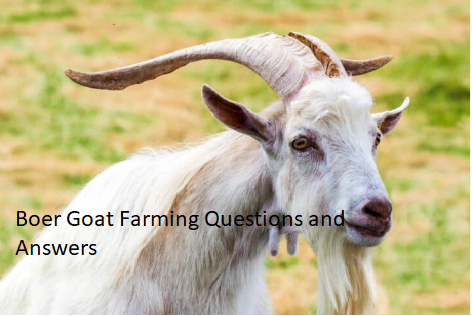
Identifying a high-quality Boer goat requires an understanding of the breed’s physical standards and genetic potential. Breeders look for a distinct white body with a red head and a white blaze, though fully pigmented heads are often preferred for show. Beyond appearance, the animal should exhibit a wide, muscular frame, a strong back, and sound legs that allow for efficient movement.
A mature buck should weigh between 200 and 300 pounds, while a productive doe typically ranges from 150 to 200 pounds. Prioritizing these physical traits ensures your herd maintains the meat-to-bone ratio that makes this breed so valuable in the commercial market.
Managing internal parasites
Parasite control is arguably the most significant challenge in goat husbandry, particularly in humid climates. You should implement a FAMACHA scoring system, which involves checking the color of the goat’s lower eyelid to determine the level of anemia caused by the Haemonchus contortus worm.
Treating only the animals that need it, rather than blanket-deworming the entire herd, prevents the development of chemical resistance. For more detailed clinical guidance on parasite management, consult the American Consortium for Small Ruminant Parasite Control for updated protocols and drug efficacy data.
Breeding cycles and kidding management
Boer goats are polyestrous, meaning they can breed throughout the year, but most commercial producers time breeding to ensure kidding occurs during favorable weather conditions. A doe has a gestation period of approximately 150 days, or five months. During the final trimester, you must increase the plane of nutrition to support fetal growth and prepare the doe for lactation.
Providing a clean, dry, and draft-free kidding stall is vital to reducing kid mortality rates during the first 48 hours of life. Colostrum intake is the single most important factor in a kid’s survival, and they should receive it within the first two hours of birth.
Key financial indicators in meat goat production
Profitability in this sector relies on maintaining low overhead while maximizing the weight gain of market-ready kids. The following table illustrates estimated performance metrics for a standard commercial Boer operation:
| Metric | Typical Target |
|---|---|
| Weaning Age | 90 to 120 days |
| Daily Weight Gain | 0.4 to 0.6 pounds |
| Market Weight | 60 to 90 pounds |
| Doe Prolificacy | 1.5 to 1.8 kids per doe |
Infrastructure and shelter requirements
Providing adequate protection from the elements is non-negotiable for maintaining a healthy and productive herd. While Boer goats are hardy, they are highly susceptible to respiratory issues if kept in damp, poorly ventilated, or drafty barns. A simple three-sided shed facing away from the prevailing wind is often sufficient in moderate climates.
You should also invest in high-tensile woven wire fencing, as standard cattle wire is ineffective at keeping goats contained. Goats are notorious for testing fence lines, so ensuring your perimeter is secure will save you significant time and potential loss of livestock.
Common management pitfalls to avoid
Many beginners fail because they treat goats like miniature cattle, ignoring their unique physiological needs. One common mistake is overfeeding grain, which can lead to urinary calculi in bucks and metabolic issues in does. Another error is failing to maintain a consistent vaccination schedule, particularly for Clostridium perfringens types C and D and Tetanus.
You must also be prepared for hoof maintenance, as overgrown hooves can cause lameness and make the animal susceptible to foot rot. Establish a regular trimming schedule, typically every two to three months depending on the terrain and growth rate of the hoof wall.
Essential list for a successful start
Starting your journey into this industry requires more than just buying animals; you need a strategy for long-term health and production. Consider these foundational elements as you organize your facility:
- Secure a reliable source of high-quality hay for winter feeding.
- Install a robust water system that remains clean and accessible year-round.
- Develop a relationship with a local large-animal veterinarian who understands small ruminants.
- Maintain detailed records for every individual animal, including birth dates and health treatments.
- Select breeding stock from reputable farms that perform performance testing.
- Establish a marketing plan, whether selling through local auctions, private treaty, or direct-to-consumer.
Frequently Asked Questions
How long does a Boer goat typically live?
A well-cared-for Boer goat can live for 10 to 12 years, although their peak production years for breeding usually occur between the ages of two and six. As an animal ages, its ability to maintain weight and fight off parasites often declines, necessitating more intensive management.
Why are my goats losing hair?
Hair loss in goats can be attributed to several factors, including external parasites like lice or mites, nutritional deficiencies, or fungal infections such as ringworm. You should examine the skin for lesions and consult a veterinarian to determine if the cause is parasitic, which requires specific topical or injectable treatments.
Do I need to castrate my male goats?
If you are not keeping a buck for breeding purposes, you should castrate your males at a young age, typically between two and four weeks. This prevents unwanted breeding and significantly reduces the aggressive behavior and strong odor associated with mature, intact bucks.
What is the best way to introduce new goats to an existing herd?
Always quarantine new arrivals for at least 30 days to ensure they are not carrying contagious diseases or parasites that could infect your established animals. During this time, monitor their health closely and perform fecal egg counts before integrating them into the main pasture.
At what weight should I sell my market kids?
Most commercial markets demand kids weighing between 60 and 90 pounds, as this is the ideal size for a tender carcass. Selling at this weight range typically provides the best return on investment relative to the cost of feed and labor required to grow the animal to that point.
Conclusion
Establishing a successful herd requires attention to detail, consistent health monitoring, and a commitment to the specific needs of the Boer breed. By addressing the fundamental boer goat farming questions and answers regarding nutrition, parasite control, and infrastructure, you position yourself to build a sustainable and profitable agricultural venture. Focus on quality genetics and preventative care to minimize losses and maximize the growth potential of your animals.
As you gain experience, continue to refine your management practices based on your herd’s performance and the specific demands of your local market. Engaging with local agricultural extension offices or breed associations can provide ongoing support as you grow your operation and refine your skills in this rewarding field.
