

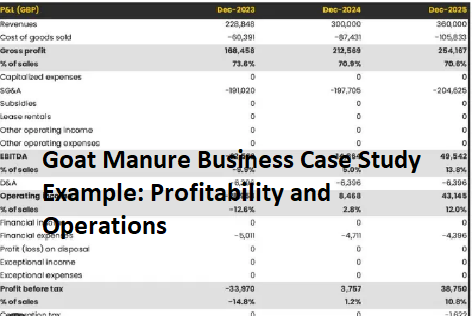
Analyzing a goat manure business case study example reveals that the primary path to profitability lies in moving beyond raw sales to processed, value-added organic fertilizers. Most small-scale operations find that selling unprocessed manure yields low margins, whereas pelletized or composted products command premium prices in the urban gardening and specialty agriculture sectors.
Success depends heavily on managing nitrogen levels, optimizing the composting cycle, and establishing local distribution networks to avoid high logistics costs. By focusing on nutrient density and soil health benefits, producers can transform a waste product into a consistent revenue stream that supports the broader financial health of a small farm.
Understanding the Core Economics
The financial reality of a goat manure enterprise is dictated by the volume of output versus the cost of collection and processing. A healthy, mature goat produces approximately 1.5 to 2 pounds of manure per day.
Over a year, a small herd of 50 goats can generate nearly 30,000 pounds of raw material. This volume is significant, but it requires substantial labor to harvest, store, and cure effectively.
Profit margins are thin if the manure is sold in bulk as “raw” material at the farm gate. Prices typically hover between $2 and $5 per 40-pound bag in raw form, which barely covers the cost of labor and packaging.
To achieve a sustainable business, operators must focus on the “aged” or “composted” label. Aged manure is safer for plants and more desirable for home gardeners, allowing for a price increase of 100% to 200%.
Nutrient Profile and Market Positioning
Successful operations differentiate themselves by emphasizing the specific chemical composition of the fertilizer. Goat manure is biologically superior to many other livestock wastes because of its relatively low odor and balanced nutrient content. It typically boasts an NPK ratio of approximately 1-2-1, meaning it is rich in nitrogen, phosphorus, and potassium.
High nitrogen levels make it excellent for leafy vegetables, while the phosphorus supports root development and flower production. By having a soil test performed on your specific product, you can provide customers with a guaranteed analysis.
This professional touch justifies a higher price point compared to generic, unverified backyard compost. It allows you to market the product as a scientifically backed soil amendment rather than just waste.
The Processing Lifecycle
A typical goat manure business case study example emphasizes the importance of the aging process to prevent “burning” delicate plants. Raw manure contains high concentrations of ammonia that can damage root systems if applied directly to the soil.
You must implement a composting cycle that lasts between three to six months. This duration ensures the breakdown of weed seeds and pathogens.
Key Stages of Composting
- Collection: Daily removal of manure and bedding from stalls to prevent ammonia buildup.
- Initial Decomposition: Piling the material in a windrow or bin to allow for hot composting.
- Turning: Aerating the pile every two weeks to maintain oxygen levels and accelerate microbial activity.
- Curing: Allowing the final product to stabilize until it reaches an earthy, dark, and crumbly consistency.
- Screening: Removing large debris, wood chips, or non-composted material for a professional finish.
Operational Costs and Revenue Streams
Capital expenditure for this business is relatively low if you already own the goats. You will primarily invest in shovels, wheelbarrows, screening equipment, and packaging supplies.
The most significant ongoing cost is labor, as the physical handling of manure is demanding. Many producers find that utilizing a mechanical screener significantly reduces the time spent on manual labor.
Revenue is not limited to the sale of the manure itself. Many successful businesses diversify by selling “manure tea” kits, which are bags of cured manure designed to be steeped in water for liquid feeding.
This adds another layer of value to the operation. The following table illustrates a typical breakdown of potential revenue sources for a small-scale facility.
| Product Category | Average Price (Retail) | Profit Margin |
|---|---|---|
| Raw Bulk Manure | $15 per yard | Low (High labor) |
| Aged Bagged Compost | $8 per 40lb bag | Medium |
| Premium Pelletized Fertilizer | $15 per 10lb bag | High |
| Manure Tea Kits | $12 per unit | High |
Logistics and Distribution Strategies
Logistics often determine the ceiling for your profitability. Transporting heavy, bulky organic matter over long distances quickly erodes profit margins due to fuel and vehicle maintenance costs.
The most effective strategy is to target a hyper-local customer base within a 20-mile radius of your farm. Partnering with independent garden centers, local landscaping companies, and community garden associations can create a steady demand.
You should also explore the Natural Resources Conservation Service guidelines for safe composting and soil management. Adhering to these standards builds trust with local regulators and customers alike.
By becoming a certified supplier for local agriculture, you can secure government contracts or larger commercial accounts. These contracts provide the volume necessary to scale your operation beyond retail sales.
Challenges and Risk Mitigation
Operating this type of business is not without risks, particularly regarding sanitation and environmental compliance. You must ensure that your composting area is properly graded to prevent runoff into local water sources.
Contaminated runoff can lead to heavy fines and damage your reputation within the community. Installing a simple concrete pad or a heavy-duty tarp system can mitigate these environmental risks.
Another major hurdle is the seasonality of the market. Demand for fertilizer spikes during the spring planting season and drops significantly in the winter months.
You must plan for cash flow fluctuations by storing your finished product in a dry, covered area during the off-season. This inventory management allows you to meet the immediate demand as soon as the first frost thaws.
Marketing to the Home Gardener
Home gardeners are your most profitable demographic because they are willing to pay for convenience and quality. Marketing to this group requires a shift from talking about “manure” to talking about “soil health.”
Use social media to document the transformation of your compost, showing before-and-after photos of garden beds. Educational content regarding the benefits of organic amendments over chemical fertilizers will resonate with your audience.
Consider offering “pick your own” days or farm-gate sales to save on delivery costs. When customers visit the farm, they are more likely to purchase larger quantities and see the quality of your operation firsthand.
Transparency about your feeding practices—such as using organic hay or non-GMO grain—can further justify a premium price. Consumers are increasingly interested in the provenance of the inputs they use in their food gardens.
Scaling for Future Growth
Scaling a goat manure business requires moving from manual processing to semi-automated systems. Once you reach a certain volume, investing in a small tractor with a front-end loader becomes essential for moving piles.
You might also look into pelletizing machines, which compress the compost into shelf-stable, easy-to-ship granules. These pellets are much easier to package and sell through e-commerce platforms.
Consistency is the hallmark of a successful business. If your product varies significantly in quality from one batch to the next, you will lose repeat customers.
Standardizing your composting time and monitoring moisture levels will ensure that every bag of product meets the same high standard. As you expand, consider white-labeling your product for local nurseries to reach a broader customer base without managing the retail side yourself.
Strategic Outlook
The long-term viability of this venture rests on the growing demand for sustainable, circular-economy products. As more people turn to home vegetable gardening, the need for high-quality, organic fertilizers will continue to rise. A well-executed goat manure business case study example shows that when you treat the manure as a refined product rather than a waste disposal issue, the business can become a lucrative pillar of farm income.
Focus on the quality of your final compost, maintain local distribution networks, and keep your operational costs lean to maximize your returns. By providing a product that genuinely improves soil health, you build a brand that sustains itself through word-of-mouth and consistent seasonal demand.
