

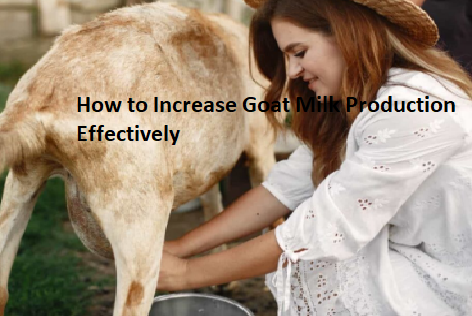
Learning how to increase goat milk production is a priority for dairy farmers aiming to maximize the efficiency of their herds. High yields depend on a combination of genetics, nutritional management, and strict health protocols that keep animals performing at their peak. By understanding the physiological needs of your dairy goats, you can make informed adjustments to your daily routine that significantly boost output without compromising the long-term health of your livestock.
Achieving Higher Milk Yields
The fastest way to see an improvement in your dairy yield is by optimizing the nutrient density of the diet provided to your milking does. Lactation is an incredibly energy-intensive process for a goat, requiring far more calories than maintenance alone. You must provide high-quality forage and a balanced concentrate ration to ensure the animal has the metabolic building blocks to synthesize milk.
Focus on providing high-protein alfalfa or high-quality clover hay to serve as the foundation of the diet. Supplement these forages with a balanced grain mix that contains the necessary minerals, particularly calcium and phosphorus, to support high production levels. Always ensure your goats have access to clean, fresh water at all times, as milk is roughly 87 percent water.
Genetic Potential and Herd Management
While diet plays a massive role, you cannot increase production beyond the biological ceiling defined by an animal’s genetics. If you are starting a new herd, prioritize purchasing stock from breeders who keep accurate records of milk production per lactation cycle. Selecting for high-performing lineage is the most reliable long-term strategy for increasing total farm output.
Record-keeping is essential for identifying which goats are your top performers and which are lagging behind. Track the daily milk weight of each doe throughout her lactation period to see how her production tapers off or holds steady. Use this data to cull animals that consistently underperform, replacing them with offspring from your best producers.
Optimizing the Milking Routine
Consistency in your milking schedule is one of the most underappreciated factors in maintaining high production. Goats are creatures of habit and thrive on a predictable routine that reduces stress and encourages let-down. If you milk at 6:00 AM and 6:00 PM, stick to those times every single day to signal to the doe’s body that it is time to produce.
Stress has a direct, negative impact on oxytocin levels, which are responsible for the milk let-down reflex in dairy animals. Keep the milking parlor quiet, clean, and free of loud noises or aggressive handling. A relaxed goat is a productive goat, and even small changes in the environment can cause a noticeable drop in volume.
Nutritional Supplements for Production
Beyond basic grains and hay, specific supplements can play a role in supporting peak lactation. Many farmers find success with additives like brewers yeast or specialized mineral licks designed to prevent deficiencies that stall production. These additions should be introduced slowly to avoid digestive upset or imbalances in the rumen.
Alfalfa pellets are often used as a high-protein supplement to bridge the gap during winter months or when pasture quality is low. These pellets offer a concentrated source of energy that is easy for the goat to digest. Consult with a local veterinarian or a specialist at an agricultural extension office to determine the exact mineral requirements for your specific soil and forage quality.
Managing the Dry Period
Increasing production starts before the current lactation cycle even begins by managing the dry period correctly. A doe needs a rest period of at least 60 days before she kids again to regenerate her udder tissue. If you skip this period or make it too short, she will start her next lactation with lower potential.
During the dry period, ensure the doe is in a healthy body condition score, ideally around a 3.0 to 3.5 on a 5-point scale. She should not be too thin, nor should she be obese, as both extremes can lead to metabolic issues after kidding. A well-managed dry period sets the stage for a strong peak in milk production once she freshens.
Health and Parasite Control
Internal parasites are silent thieves that rob dairy goats of the nutrients they need to create milk. A heavy worm burden forces the animal to divert energy toward immune response rather than milk synthesis. Implement a regular fecal egg count program to determine when and if you need to treat your herd for parasites.
Monitoring the overall health of the herd requires daily observation of appetite, stool consistency, and general behavior. A goat that is slightly off-feed today will show a drop in milk production tomorrow. Early intervention for minor health issues prevents them from becoming chronic problems that permanently lower a doe’s lifetime output.
Comparison of Feed Strategies
Different feeding strategies yield varying results depending on the climate and the breed of the goat. Below is a comparison of common feed inputs and their general impact on production capacity.
| Feed Input | Impact on Production | Best Usage |
|---|---|---|
| High-Quality Alfalfa | High | Primary protein source for lactating does |
| Grass Hay | Moderate | Fiber maintenance and rumen health |
| Corn/Grain Mix | High | Energy boost for peak lactation |
| Mineral Blocks | Supportive | Correcting trace element deficiencies |
Key Indicators for Success
Tracking specific milestones helps you understand if your management changes are actually working. Focus on these metrics to gauge the efficacy of your efforts:
- Peak milk volume achieved within the first 30 days of lactation.
- Persistence of production, or how slowly the milk volume drops after the peak.
- Body condition score fluctuations throughout the year.
- Days in milk before the doe reaches the end of her lactation cycle.
- Feed-to-milk conversion ratio, which measures the efficiency of your grain inputs.
Frequently Asked Questions
How quickly can I see an increase in milk production?
If the increase is due to a change in diet, you will often see results within 7 to 14 days. If you are improving genetics through breeding, the results will take at least one full lactation cycle to become apparent.
Do herbs like fenugreek actually increase production?
There is anecdotal evidence that certain herbs can support milk flow, but they are not a substitute for proper nutrition. Always consult with a veterinarian before adding herbal supplements to ensure they do not interfere with the goat’s overall health or the quality of the milk.
Why did my goat’s milk production drop suddenly?
A sudden drop is usually a sign of stress, illness, or a change in the environment. Check for signs of mastitis, evaluate recent changes in the feed, and ensure the goat has not been startled by predators or loud noises.
Is it possible to over-feed a dairy goat?
Yes, over-feeding grain can lead to acidosis and other metabolic issues that cause a severe decline in health and production. Always introduce high-energy feeds gradually and ensure the goat is consuming enough long-stem fiber to keep her rumen functioning correctly.
Does the number of milkings per day matter?
Yes, moving from once-a-day to twice-a-day milking can increase total volume significantly. The udder produces milk continuously, and more frequent emptying signals the body to maintain higher production levels throughout the day.
Sustainable Production Growth
Increasing goat milk production is a long-term commitment that requires attention to detail and consistent management. By focusing on the nutritional needs of your herd, maintaining a low-stress environment, and keeping precise records, you can achieve sustainable growth. Start by evaluating your current practices and identifying the one area—be it nutrition, health, or routine—that offers the most room for improvement.
Remember that the goal is not just a higher volume, but a healthy, productive herd that can maintain those levels for years. Take small, measured steps to adjust your management style, and observe how your goats respond over time. By building a solid foundation today, you ensure that your dairy operations remain both productive and profitable for seasons to come.
