

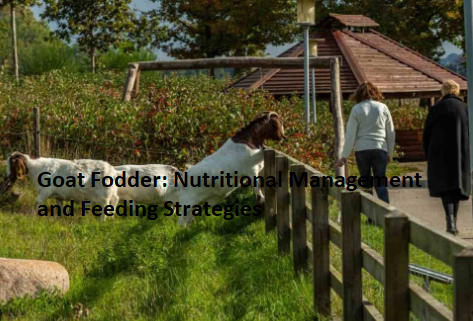
Providing high-quality goat fodder is the cornerstone of maintaining a healthy, productive herd throughout the year. Whether you are managing a small homestead or a commercial operation, understanding the balance between dry forage, fresh greens, and supplemental nutrition determines the vitality of your animals. This article explores the specific dietary requirements of goats and how to optimize their intake for maximum health.
By focusing on essential nutrients and seasonal availability, you can ensure your livestock receives the energy needed for growth and milk production. Developing a consistent feeding program is the most effective way to prevent common metabolic issues while keeping your operational costs manageable.
Daily Consumption Requirements
A healthy adult goat typically requires approximately 2% to 4% of its body weight in dry matter intake every single day. For a goat weighing 150 pounds, this translates to roughly 3 to 6 pounds of dry feed daily. This figure varies significantly based on the animal’s physiological state, such as whether it is lactating, pregnant, or growing. Lactating does require higher energy density to sustain milk yield, often necessitating the upper end of that consumption range. Always monitor body condition scores to ensure your goats are neither losing weight nor becoming obese.
Common Types of Forage
Goats are natural browsers rather than grazers, meaning they prefer shrubs, woody plants, and weeds over simple grass. Providing a variety of forage options mimics their natural behavior and improves their overall digestive health. Legume hays like alfalfa are excellent sources of protein and calcium, making them ideal for young or nursing animals. Grass hays, such as timothy or orchard grass, serve as a reliable base for maintenance diets. Incorporating browse species—like willow, mulberry, or blackberry bushes—encourages natural foraging habits and provides essential trace minerals that traditional pastures might lack.
Nutritional Comparison of Common Feeds
The following table outlines the approximate nutritional values for common types of feed used in goat management. These values are estimates based on standard dry matter percentages and can fluctuate based on soil quality and harvest time.
| Feed Type | Protein Content | Energy Density | Best Use Case |
|---|---|---|---|
| Alfalfa Hay | 15-18% | High | Lactation and growth |
| Timothy Hay | 8-10% | Moderate | Maintenance and dry does |
| Oat Hay | 9-12% | Moderate | General herd health |
| Barley Fodder | 12-15% | High | Winter supplementation |
The Role of Hydroponic Fodder
Hydroponic systems allow farmers to sprout grains, such as barley or wheat, into nutrient-rich green mats within a week. This form of goat fodder is highly digestible and provides a consistent source of vitamins during winter months when fresh pasture is unavailable. Because the grain is sprouted, the starch content decreases while the availability of enzymes and vitamins increases significantly. Many producers find that replacing a portion of their dry grain ration with hydroponic greens reduces the risk of digestive upset. However, it requires a dedicated climate-controlled space to prevent mold growth, which is a major risk factor in high-humidity environments.
Seasonal Feeding Adjustments
Managing goat fodder requires a flexible strategy that shifts with the changing seasons. During the spring and summer, lush pastures provide most of the necessary nutrition, but you must still offer free-choice hay to prevent bloat. As the weather cools and plants enter dormancy, the nutritional value of pasture drops sharply. This is the time to transition to higher-quality stored hay and possibly increase the protein content of your grain rations. Keep a close eye on your animals during these transition periods, as sudden changes in diet can disrupt rumen flora and cause serious health complications.
Browse and Woody Vegetation
Goats possess a unique digestive physiology that allows them to process tannins and other compounds found in woody plants. Incorporating native browse species into your property management plan reduces the need for expensive commercial supplements. Many tree leaves, such as those from poplar, elm, and ash, are packed with minerals that are often deeper in the soil profile than standard grasses. If your property lacks natural brush, consider planting fast-growing forage trees that can be pruned or coppiced for supplemental feeding. The University of Arkansas System Division of Agriculture provides extensive resources on identifying safe and toxic plant species for small ruminants.
Mineral Supplementation Requirements
Even the best goat fodder cannot provide every single mineral required for optimal health. A high-quality, loose mineral mix specifically formulated for goats must be available free-choice at all times. Avoid using sheep minerals, as they often lack the copper that goats desperately need to thrive. Conversely, ensure the mix is not overly high in sulfur, which can interfere with the absorption of other vital nutrients. Check your mineral feeder regularly to ensure it stays clean and dry, as goats are notoriously picky about consuming soiled or wet supplements.
Common Feeding Mistakes
Avoiding common errors in your feeding program will save you significant time and veterinary expenses. One frequent mistake is overfeeding grain, which can lead to rumen acidosis, a life-threatening condition caused by excess starch fermentation. Another issue is the failure to rotate pastures, which promotes the buildup of internal parasites that thrive in short, overgrazed grass. Always provide clean, fresh water, as goats are highly sensitive to water quality and will reduce their feed intake if the water source is stagnant. Implementing a strict routine for both feeding and health checks ensures that you spot potential issues before they become emergencies.
- Test your hay for nutritional content to ensure it meets herd needs.
- Rotate grazing areas every 14 to 21 days to manage parasite loads.
- Ensure water troughs are scrubbed and refilled at least once every two days.
- Keep a record of body condition scores to track the success of your diet.
- Store hay in a dry, elevated area to prevent mold and nutrient loss.
Frequently Asked Questions
What is the best type of hay for goats?
Alfalfa is widely considered the gold standard for lactating does and growing kids due to its high protein and calcium levels. For dry does or bucks, a high-quality grass hay like orchard grass is often preferred to prevent issues associated with excessive calcium intake.
How do I know if my goat is getting enough nutrients?
The best indicators are a shiny coat, steady body weight, and consistent, firm manure pellets. If you notice a dull coat, significant weight loss, or persistent scouring, it is time to reassess the quality of your forage and potentially consult a veterinarian.
Is it safe to feed goats kitchen scraps?
Small amounts of vegetable scraps are generally safe, but avoid high-sugar items like fruit or starchy foods like bread. Never feed your goats kitchen scraps that contain mold, onion, garlic, or any part of the nightshade family, as these can be toxic.
How much space do I need for grazing?
The amount of space depends entirely on your soil quality and the density of the forage. As a general rule, you should plan for at least one acre per four to six goats if the land is productive and managed with regular rotational grazing.
Can goats survive on dry forage alone?
In the winter, goats can survive on high-quality dry forage, but they will require additional energy and mineral supplementation to maintain condition. Always ensure the hay is free of dust and mold, as respiratory issues are common in goats forced to eat poor-quality stored feed.
Conclusion
Successful herd management relies on your ability to provide consistent, high-quality goat fodder that meets the diverse nutritional needs of your animals. By balancing browse, legumes, and supplemental minerals, you create an environment where your goats can thrive throughout every season. Remember that observing your herd’s behavior and monitoring their body condition is just as important as the feed itself. Taking the time to refine your feeding strategy will lead to a more resilient, productive, and healthy group of animals. Start by assessing your current forage quality and adjusting your mineral program to ensure you are meeting the fundamental requirements for long-term success.
