

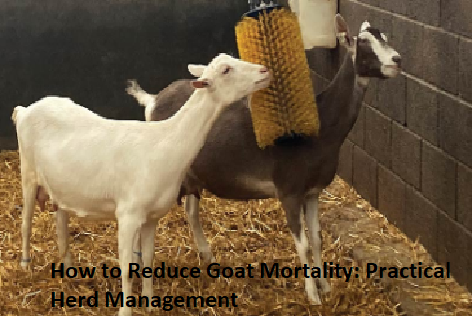
Managing a healthy herd requires consistent attention to detail, as reducing goat mortality often hinges on proactive health monitoring rather than reactive treatment. By focusing on nutrition, parasite control, and environmental sanitation, producers can significantly lower death rates in both kids and adults.
The primary driver for reducing goat mortality is the implementation of a strict vaccination and deworming schedule. Most losses in young goats occur during the first thirty days of life due to scours, pneumonia, or hypothermia. Addressing these specific environmental stressors through dry, draft-free housing and immediate colostrum intake provides the foundation for long-term survival.
Identifying Common Causes of Death
Understanding why goats die is the first step toward preventing future losses. Many producers mistakenly attribute every death to disease when poor management or nutritional deficiencies are the actual culprits. Parasitic loads, particularly Haemonchus contortus, remain the leading cause of death in many regions.
Respiratory infections also claim a high percentage of the herd, especially during fluctuating weather conditions. When temperatures swing rapidly, the immune system of a goat can become compromised. This creates an opening for bacteria like Mannheimia haemolytica to cause severe pneumonia.
Metabolic issues often fly under the radar until a goat is already in critical condition. Pregnancy toxemia, or ketosis, frequently affects high-producing does carrying multiples. If you do not monitor body condition scores during the final trimester, you may lose both the doe and her kids.
Nutritional Strategies for Survival
Proper nutrition serves as the first line of defense against illness. A goat that is nutritionally balanced has a stronger immune response to environmental pathogens. High-quality forage is essential, but it is rarely enough on its own during peak production periods.
Mineral supplementation is perhaps the most overlooked aspect of goat health. Goats require specific copper, selenium, and zinc levels that differ significantly from those of sheep or cattle. A deficiency in these minerals can lead to weak kids, poor growth rates, and increased susceptibility to infections.
| Nutrient Category | Impact on Mortality | Risk of Deficiency |
|---|---|---|
| Protein | High impact on growth | Poor immune function |
| Copper | Essential for immunity | Increased anemia risk |
| Selenium | Prevents white muscle disease | High risk in neonates |
| Energy | Prevents ketosis | Death of late-gestation does |
Water quality is equally vital for maintaining a healthy herd. Goats are notoriously picky drinkers and will avoid water that is stagnant or dirty. If your goats aren’t drinking enough, their rumen function slows down, which can lead to impaction and severe digestive distress.
Managing Parasite Loads Effectively
Internal parasites are the silent killers of the goat world. Relying solely on chemical dewormers is a losing strategy because parasites are rapidly developing resistance. Instead, you must adopt an integrated pest management approach to minimize reliance on drugs.
The FAMACHA scoring system is an industry standard for monitoring barber pole worm infestations. By checking the color of the mucous membranes in the lower eyelid, you can identify which goats need treatment. This helps you target only those animals with high parasite burdens, preserving the efficacy of your medications.
- Rotate pastures frequently to break the life cycle of intestinal worms.
- Keep feeders off the ground to prevent fecal contamination of feed.
- Maintain a high stocking density that avoids overgrazing near the soil surface.
- Use browsing species or multispecies grazing to naturally reduce parasite populations.
- Consult the American Consortium for Small Ruminant Parasite Control for updated resistance data.
Avoid keeping goats on the same small patch of land for extended periods. Parasite larvae climb grass blades when it is wet, so keeping goats off pastures during early morning dew can also reduce exposure. Always provide enough browse so goats do not have to graze close to the dirt.
Neonatal Care and Kid Survival
The first hours of a kid’s life determine its future trajectory. A kid that fails to ingest enough colostrum within the first six hours is at an extreme disadvantage. Colostrum provides the passive immunity necessary to fight off common environmental bacteria.
Hypothermia is a major threat to newborns in colder climates. Even a healthy, vigorous kid can succumb to cold stress if it stays damp for too long. Ensure that kidding pens are dry, well-bedded, and free from direct drafts.
If a doe rejects her kid, you must be prepared to intervene immediately. Bottle-feeding requires immense dedication, but it is often the only way to save a rejected neonate. Keep a supply of milk replacer and sterilized bottles on hand before the kidding season begins.
Vaccination Protocols and Disease Prevention
Vaccines are not a cure-all, but they are essential for preventing outbreaks. A standard CD&T vaccine protects against Clostridium perfringens types C and D, as well as tetanus. This is a non-negotiable requirement for any serious goat operation.
Timing is critical when administering vaccinations. Does should receive their booster shots about three to four weeks before they are due to kid. This ensures they pass high levels of antibodies to their offspring through the colostrum.
Biosecurity is the other half of the disease prevention equation. Never bring new goats into your herd without a mandatory quarantine period. Keep new arrivals in a separate area for at least three weeks to monitor for signs of contagious diseases like caseous lymphadenitis.
Environmental Management and Sanitation
Goats are naturally clean animals that despise muddy, wet conditions. Housing that lacks proper ventilation leads to ammonia buildup, which damages the respiratory tract. A well-ventilated barn should allow fresh air to enter without creating a direct cold draft on the animals.
Sanitation in the barn prevents the buildup of pathogens like coccidia. Coccidiosis is a protozoal disease that causes severe diarrhea and stunted growth in kids. Regular cleaning of bedding and the use of slatted floors in kidding areas can drastically reduce the incidence of this disease.
Fence maintenance also plays a role in reducing mortality. A goat that escapes the pasture is at risk of predation or consuming toxic plants. Regularly walk your perimeter fences to ensure there are no gaps or loose wires that could allow for an escape.
Recognizing Early Warning Signs
The ability to spot a sick goat before it shows obvious distress is a vital skill. A healthy goat is alert, interested in its surroundings, and maintains a steady ruminating rhythm. A sick goat often stands apart from the herd, has a dull coat, or exhibits a hunched posture.
Check the temperature of any goat that appears “off” as a standard diagnostic step. A normal rectal temperature for a goat ranges from 101.5°F to 103.5°F. Anything significantly higher or lower indicates a medical emergency that requires immediate attention.
Monitor the manure output of your herd daily. Diarrhea, or scours, is a symptom of many underlying issues, ranging from parasites to bacterial infection. Early intervention with hydration and proper medication can be the difference between recovery and death.
The Role of Stress Reduction
Stress is an immunosuppressant that makes goats vulnerable to everything from pneumonia to bloat. Handling techniques should always be calm and deliberate to minimize fear. A goat that is terrified during sorting is more likely to injure itself or trigger an underlying health issue.
Group dynamics matter when it comes to herd health. If you introduce a new, smaller goat into a pen with aggressive, older does, the stress of bullying can cause the new arrival to stop eating. Always provide multiple feeding stations so that lower-ranking goats can access food without confrontation.
Transportation is another high-stress event that requires careful planning. If you must move goats, ensure the trailer is well-ventilated and not overcrowded. Providing water and hay during transit helps maintain normal gut function and reduces the risk of shipping fever.
Frequently Asked Questions
What is the most effective way to prevent pneumonia in kids?
Proper ventilation is the most effective prevention strategy. Ensure the barn is dry and free of ammonia, as stagnant, damp air encourages the growth of the bacteria that cause respiratory distress.
How do I know if my goat has a dangerous parasite load?
Use the FAMACHA system to check the color of the lower eyelid. If the membrane is pale or white, the goat is likely suffering from anemia due to a heavy barber pole worm infestation and requires immediate treatment.
Can apple cider vinegar really help reduce mortality?
While some producers swear by it for gut health, there is no scientific evidence that it prevents major diseases. It should never replace standard medical care, vaccinations, or proper nutritional management.
What is the typical lifespan of a goat?
Most well-managed goats live between 8 and 12 years. Factors such as genetics, nutrition, and environmental stress play a huge role in whether a goat reaches the upper end of that range.
Why do my goats keep dying from bloat?
Bloat is usually caused by sudden dietary changes or consuming too much lush, green clover or alfalfa. Always transition goats to new pastures slowly and ensure they have access to coarse hay to keep the rumen moving.
Conclusion
Reducing goat mortality is a continuous process of observation and preventative maintenance. By focusing on the fundamentals of nutrition, consistent vaccination schedules, and strict parasite management, you can build a resilient herd. Always prioritize the health of your newborns and address environmental stressors before they turn into medical crises.
Successful producers understand that mortality is not just a matter of luck. It is the result of careful management practices that respect the biological needs of the animal.
If you stay diligent and keep your records updated, you will see a steady decline in losses over time. Reach out to your local extension office if you need help creating a specific herd health plan for your climate and breed.
