

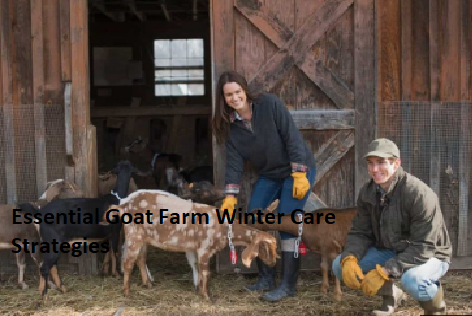
Managing a herd through the coldest months of the year requires a shift in mindset and daily operations. Successful goat farm winter care involves balancing thermal regulation, nutritional density, and shelter integrity to prevent health complications like pneumonia or frostbite.
You will gain a clear understanding of the specific caloric needs, structural modifications, and monitoring protocols necessary to ensure your livestock remains productive and healthy until spring arrives. By focusing on these core pillars, you can avoid common pitfalls that lead to weight loss or decreased milk production during the dormant season.
Goats are remarkably resilient animals, but they have specific thresholds for cold tolerance that farm managers must respect. Most healthy, dry adult goats can comfortably withstand temperatures down to 32 degrees Fahrenheit without significant intervention. If the animals are kept dry and out of the wind, they can handle temperatures well below freezing, sometimes even reaching 0 degrees Fahrenheit, provided they have adequate body fat reserves.
The critical factor is not just the temperature, but the combination of wind chill and moisture. Once a goat’s coat becomes wet, its ability to insulate itself drops dramatically, leading to a rapid loss of body heat. You should monitor your herd closely when temperatures dip below 20 degrees Fahrenheit, especially if you have elderly animals or young kids.
Nutritional Adjustments for Cold Weather
The most important element of goat farm winter care is the adjustment of your feeding program to compensate for increased metabolic demands. During the winter, goats consume significantly more energy just to maintain their internal body temperature. You must increase the amount of high-quality forage available, as the fermentation process in the rumen generates substantial internal heat.
A good rule of thumb is to increase hay intake by 10 to 20 percent during deep freezes. Providing free-choice, high-quality grass hay is the most effective way to keep their rumen working at peak efficiency.
Grain supplementation should be handled with caution to avoid digestive upsets while still providing necessary calories. You may add a small amount of calorie-dense feed, such as a high-fat supplement or black oil sunflower seeds, to help maintain body condition scores. Always ensure that your goats have access to loose minerals designed for their specific breed and life stage.
Since fresh grass is unavailable, they are likely to develop deficiencies if they rely solely on hay. Proper nutrition is the foundation of a strong immune system, which is your primary defense against winter-related illnesses.
Shelter Requirements and Ventilation
Many novice farmers make the mistake of sealing their barns too tightly in an attempt to keep the goats warm. Proper winter shelter must prioritize dry, draft-free conditions while maintaining excellent ventilation to prevent the buildup of ammonia and moisture. Goats are highly susceptible to respiratory infections, and stagnant, humid air inside a barn is a primary catalyst for pneumonia.
You should ensure that your barn has high-level vents to allow moist air to escape, even when the doors and windows are closed against the wind. The structure itself needs to be oriented so that the prevailing winter winds hit the back wall, not the entrance.
Bedding management becomes a daily chore that directly impacts the health of your herd during the colder months. A deep-litter bedding system is often the most effective method for maintaining warmth in a goat barn. By adding fresh, dry straw or wood shavings on top of the existing layer, you create a composting effect that generates a small amount of heat from the bottom up.
Keep the sleeping area clean and dry at all times, as wet bedding is a breeding ground for bacteria and foot rot. You can find more detailed guidelines on animal husbandry practices through the eXtension Foundation, which offers research-backed resources for livestock managers.
Water Access and Hydration
Hydration is often overlooked, yet it is a critical component of successful goat farm winter care. Goats will drink significantly less water if it is ice-cold, which can lead to impaction colic and other serious digestive issues. You should aim to provide water that is at least 40 to 50 degrees Fahrenheit throughout the day.
Using heated buckets or tank heaters is a standard practice for commercial and hobby farms alike to ensure constant access. If you do not have electricity in your barn, you will need to manually break the ice and refill buckets multiple times a day.
The volume of water consumed directly correlates to the amount of dry hay a goat can digest. If a goat stops drinking, it will stop eating, leading to a rapid decline in condition. You must inspect your water sources every single morning and evening to ensure they remain functional.
In freezing temperatures, pipes and hoses can burst, so having a backup plan for water delivery is essential. Never allow your goats to go without water for more than a few hours, even during the harshest weather events.
Managing Different Age Groups
Not all goats have the same cold tolerance, and your care routine should be tiered based on the age and physical condition of the animal. Young kids, elderly animals, and goats that are currently lactating require much more protection than a healthy, dry adult buck. If you have kids born during the winter, you must provide a dedicated, draft-free “kidding stall” with a supplemental heat lamp or a heated mat.
Remember that heat lamps are a significant fire hazard; they must be secured with multiple chains and kept far away from any combustible bedding or hay. If a kid is born in sub-zero temperatures, it may require a sweater or a coat until it is fully dried and nursing well.
Elderly goats often struggle to maintain their body heat because they have less subcutaneous fat and may have dental issues that make eating long-stemmed hay difficult. These animals should be housed in a protected area where they don’t have to compete with younger, more aggressive goats for space or food. Monitor their body condition scores weekly by feeling along the spine and ribs.
If you notice an elderly goat losing weight, provide a separate, highly palatable feed ration in a quiet spot. Providing extra bedding for these vulnerable animals can also make a significant difference in their overall comfort.
Preventative Health Measures
Winter is the season where internal parasites and respiratory issues can quickly spiral out of control. Because goats are confined to smaller areas and spend more time indoors, the risk of disease transmission increases. You should maintain a strict quarantine protocol for any new animals introduced to the herd during the winter months.
Keep a close eye on coughing, nasal discharge, or lethargy, as these are early signs of illness that require immediate intervention. Consulting with a local veterinarian to establish a winter vaccination and deworming schedule is a professional standard that pays off in reduced mortality.
Hoof care should not be neglected just because the ground is frozen. Overgrown hooves can trap moisture and debris, leading to infections that are difficult to treat in the winter. Schedule a routine hoof trimming session before the deep freeze sets in, and perform spot checks whenever you notice a goat limping.
Keeping the barn floor dry is the best way to prevent foot rot, which thrives in wet, manure-laden environments. If you identify a sick animal, isolate it immediately to prevent the spread of contagious pathogens to the rest of the herd.
Economic Considerations for Winter
The costs associated with keeping a herd through the winter can fluctuate depending on your location and the severity of the season. Planning your budget early allows you to purchase hay and grain when prices are typically lower, rather than buying from emergency supplies in February.
You should calculate your expected feed requirements based on the number of animals and the projected length of your winter season. Investing in high-quality, mold-free hay is an investment in your bottom line, as poor-quality feed results in higher waste and lower production.
| Operational Category | Winter Expense Focus | Impact Level |
|---|---|---|
| Forage/Hay | Increased volume (10-20% extra) | High |
| Heating Equipment | Tank heaters, heated buckets | Medium |
| Bedding | Increased frequency of application | Medium |
| Veterinary/Supplies | Vaccines, dewormers, vitamins | Low to Medium |
Energy costs for supplemental heating, if used, should be tracked throughout the season to avoid surprises. If you find your utility bills are excessively high, consider investing in better insulation for your barn rather than more heating units.
Improving the thermal envelope of your building is a one-time capital expenditure that saves money every year. Track your feed consumption rates carefully, as this will help you refine your purchasing strategy for the following winter.
Key Supplies for Success
Preparing your farm for winter requires a specific set of tools and supplies that make daily management easier. You should have a dedicated kit ready before the first frost, ensuring you aren’t scrambling when the weather turns. The following list represents the essential items needed for effective cold-weather management on a goat farm.
- Heated water troughs or reliable bucket heaters to prevent freezing.
- High-quality, dust-free straw for deep-litter bedding.
- Extra, high-protein hay stored in a dry, rodent-proof location.
- Portable fencing to divide indoor spaces for sick or vulnerable animals.
- Thermometer and hygrometer to monitor barn temperature and humidity levels.
- Basic first aid kit including electrolytes, syringes, and antiseptic spray.
- Backup lighting and flashlights for early morning or late evening checks during power outages.
Having these items on hand allows you to focus on the animals rather than the logistics of their care. Ensure that all electrical cords are protected from chewing by placing them inside metal conduits or out of reach of the goats.
Regularly inspect your fencing and shelter structures for damage caused by snow loads or high winds. A small repair in late autumn can prevent a major structural failure during a winter storm.
Frequently Asked Questions
How cold can goats actually tolerate in the winter?
Most healthy adult goats can tolerate temperatures down to 32 degrees Fahrenheit without any issues. They can survive much colder temperatures, even near 0 degrees Fahrenheit, as long as they are kept dry, have protection from the wind, and have access to sufficient high-quality forage to maintain their body heat.
Do goats need a heated barn during the winter?
Generally, no. Goats are well-adapted to cold climates provided they have a dry, draft-free shelter.
Supplemental heat is only necessary for newborn kids, sick or injured animals, or elderly goats that are struggling to maintain their body condition. Excessive heating can actually lead to respiratory problems due to moisture buildup and poor ventilation.
What is the best way to feed goats during the winter?
The best approach is to provide free-choice, high-quality grass hay, as the digestion of fiber generates significant internal heat. You should increase the daily portion by 10 to 20 percent to account for the energy lost to the cold. Supplement with a balanced mineral mix and ensure constant access to water that is not frozen.
How do I stop my goats’ water from freezing?
The most reliable method is to use thermostatically controlled tank heaters or heated buckets. If electricity is unavailable, you must manually break the ice and refill the water containers at least twice a day. Keeping water in a sheltered area inside the barn can also help prevent it from freezing as quickly as it would outdoors.
What are the signs of a respiratory infection in goats?
Watch for coughing, labored breathing, nasal discharge, or a fever. A goat that stands away from the herd, appears lethargic, or refuses to eat is often showing early signs of illness. Because pneumonia can progress rapidly in cold weather, it is essential to contact a veterinarian immediately if you notice these symptoms.
Conclusion
Mastering goat farm winter care is a process of consistent observation and proactive planning. By prioritizing dry, well-ventilated shelter, providing increased caloric intake through high-quality forage, and ensuring constant access to non-frozen water, you create an environment where your herd can thrive despite the harsh conditions. Remember that the health of your goats is directly tied to the quality of their environment and the attentiveness of your management.
By monitoring body condition scores and acting quickly at the first sign of illness, you will keep your animals productive and comfortable. As you head into the coldest months, stay vigilant with your daily checks and keep your essential supplies organized, ensuring your farm remains a safe haven for your livestock until the arrival of spring.
