

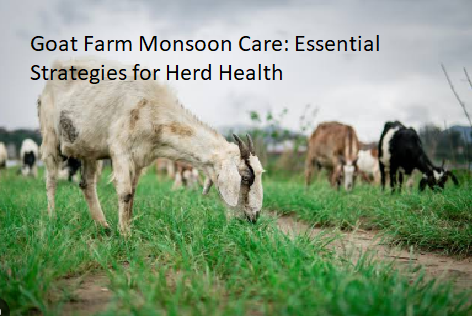
The arrival of the rainy season brings much-needed relief from summer heat, but it also introduces significant risks for small ruminants. Implementing effective goat farm monsoon care is the only way to prevent devastating losses from disease and environmental stress. This period demands a shift in daily management routines to account for high humidity and damp conditions.
Without a proactive strategy, farmers often face outbreaks of pneumonia, foot rot, and parasitic infections that can wipe out entire herds. This article provides a technical breakdown of the steps necessary to keep your goats healthy and productive during the most challenging months of the year.
Prioritising Dry Housing and Ventilation
The most immediate requirement for successful goat farm monsoon care is the provision of a completely dry living environment. Goats lack the thick subcutaneous fat layers found in cattle, making them highly susceptible to chilling when their coats remain damp.
If a goat’s skin stays wet for prolonged periods, its core body temperature drops rapidly. This stress suppresses the immune system, opening the door for opportunistic bacteria to take hold.
Elevated housing is the gold standard for rainy season management. Slatted floors made of wood or bamboo allow urine and waste to fall through, keeping the goats away from the damp ground.
If you use a ground-level shed, you must ensure it has a significant slope. Water should never pool inside the enclosure or near the entrance.
