

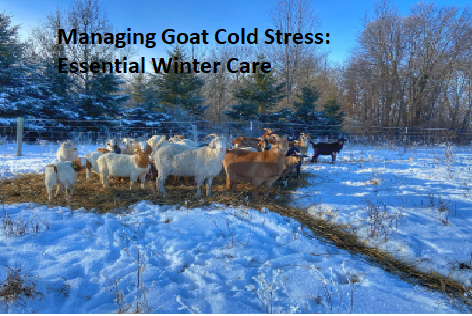
Managing goat cold stress is a critical responsibility for any herd owner during the winter months. While these animals are hardy, their physiological limits can be tested when temperatures plummet, leading to health risks that impact productivity and longevity.
Understanding the specific environmental triggers and internal warning signs allows producers to implement proactive measures that keep their animals resilient. By focusing on nutrition, shelter, and monitoring, you can prevent the decline that often accompanies harsh seasonal shifts.
What are the primary signs of cold stress in goats?
The most common indicator of goat cold stress is shivering, which is the body’s involuntary attempt to generate heat through muscle contractions. You might also observe the animal hunching its back, tucking its tail, or seeking tight corners of the barn to minimize surface area exposure.
In more severe cases, goats may stop grazing or browsing entirely, as they prioritize metabolic energy for internal temperature regulation rather than digestion. If you notice a goat standing apart from the herd with a dull coat or lethargic movement, it is likely struggling to maintain its core temperature.
Understanding the Lower Critical Temperature
Goats possess a “lower critical temperature” (LCT), which is the point where the animal must increase its metabolic rate to maintain body heat. For a healthy, dry adult goat with a full winter coat, the LCT is generally around 32 degrees Fahrenheit (0 degrees Celsius). Once the mercury drops below this threshold, the animal begins burning through its energy reserves at an accelerated pace.
If the goat is wet, sheared, or thin, this LCT rises significantly, sometimes reaching as high as 50 degrees Fahrenheit. Recognizing this threshold is the first step in adjusting your management strategy before a cold snap arrives.
The Role of Nutrition in Thermal Regulation
Diet is the most powerful tool you have to combat the effects of cold weather. During winter, a goat’s caloric requirements can increase by as much as 20% to 50% depending on the severity of the wind chill and the animal’s life stage. Providing high-quality hay is essential because the fermentation process in the rumen acts like an internal furnace.
As microbes break down the fiber, they release heat that helps the animal stay warm from the inside out. You should always ensure that your herd has access to high-quality roughage, as this digestion-based heat production is far more effective than external heat sources.
Environmental Factors and Shelter Requirements
Shelter doesn’t need to be a heated building, but it must be dry and draft-free to prevent unnecessary energy loss. Goats are notoriously sensitive to moisture, and a wet coat loses its insulating properties almost immediately. Your barn or run-in shed should provide enough space for all animals to lie down without crowding, which helps them share body heat.
-
- Ensure the windward side of the shelter is completely sealed against drafts.
-
- Use deep bedding, such as straw or wood shavings, to insulate goats from cold ground.
-
- Monitor ventilation, as moisture buildup from breath and waste can lead to respiratory illness.
-
- Keep the entrance oriented away from prevailing winter winds.
Water Consumption and Hydration
Water intake directly influences how much feed a goat consumes, which in turn dictates their ability to generate heat. If the water is frozen or near-freezing, goats will drink significantly less, which slows down rumen fermentation and reduces overall energy intake.
Research from the Penn State Extension highlights that providing water at a slightly elevated temperature can encourage higher intake during extreme cold. Always ensure that water troughs are free of ice, as a dehydrated goat will succumb to cold stress much faster than a well-hydrated one.
Impact of Life Stage on Cold Sensitivity
Not all goats handle the cold with equal resilience, and you must tailor your care based on the individual’s needs. Kids, elderly goats, and pregnant does are at a much higher risk of suffering from cold-related complications.
A newborn kid has very little body fat and a high surface-area-to-volume ratio, meaning it can lose heat almost instantly. You should prioritize these vulnerable groups by providing extra bedding, calf jackets, or even temporary supplemental heat lamps in a controlled, fire-safe environment.
Comparing Vulnerability by Goat Category
The following table illustrates how different demographic groups within your herd experience varying levels of cold risk, requiring distinct management interventions to ensure survival through the winter.
| Goat Category | Relative Risk Level | Primary Management Need |
|---|---|---|
| Newborn Kids | Extreme | Immediate drying and supplemental heat |
| Late-Pregnancy Does | High | Increased energy density in feed |
| Mature Bucks | Low | Wind protection and consistent water |
| Senior/Thin Goats | High | Caloric supplementation and bedding |
Recognizing When to Intervene
If a goat is showing signs of severe cold stress, such as weakness, inability to stand, or a drop in rectal temperature below 101 degrees Fahrenheit, immediate intervention is necessary. Move the animal to a warm, dry area away from the rest of the herd to prevent bullying and exhaustion. You can offer a warm energy drench or provide blankets to help the animal recover its core temperature gradually.
Never attempt to warm a hypothermic animal too quickly, as rapid temperature changes can cause shock to the internal organs. Always consult your veterinarian if the animal does not respond to initial warming efforts within an hour.
Frequently Asked Questions
Can goats survive extreme cold if they are kept dry?
Yes, goats are incredibly resilient to cold temperatures provided they are kept dry and have access to sufficient calories. Their rumen fermentation produces a constant stream of internal heat that serves as their primary defense against freezing conditions.
Should I put coats on my goats during winter?
Most healthy adult goats do not require coats if they have a decent winter coat and a draft-free shelter. However, goats that are sick, elderly, or have been recently shorn can benefit significantly from a waterproof, insulated coat to prevent heat loss.
How do I know if my barn is ventilated enough?
A well-ventilated barn should smell fresh, not like ammonia. If you see condensation dripping from the ceiling or frost on the interior walls, you have too much moisture trapped inside, which is a major risk factor for pneumonia.
Is it normal for goats to stop eating when it is very cold?
While they may reduce activity, they should not stop eating. If your goats are refusing feed, it is a sign of illness or extreme distress that requires immediate attention, as they need that fuel to maintain their body temperature.
How often should I check water troughs in freezing weather?
You should check water sources at least twice daily. In sub-zero temperatures, water can freeze solid in a matter of hours, and goats will not eat enough forage if they cannot drink to maintain their digestive processes.
Conclusion
Managing goat cold stress is less about artificial heating and more about facilitating the natural survival mechanisms these animals already possess. By providing a wind-protected environment, deep bedding, and enough high-quality feed to fuel their internal metabolism, you can ensure your herd remains healthy throughout the winter. Always monitor your most vulnerable animals, such as kids and seniors, as they are the first to show signs of trouble when the weather turns.
Consistent observation and small adjustments to their daily routine will prevent long-term health issues and keep your animals in peak condition. If you notice persistent issues, don’t hesitate to consult a local veterinarian to tailor your winter management plan to your specific climate and herd size.
