

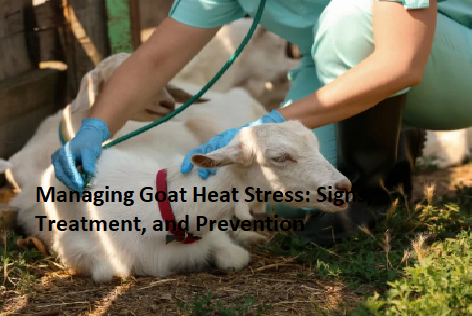
Goat heat stress occurs when an animal’s body temperature rises above its normal range, typically between 101.5°F and 103.5°F, because it cannot dissipate heat effectively. Understanding this physiological limit is essential for producers, as prolonged exposure leads to reduced milk yields, lower reproductive success, and in severe cases, mortality. By recognizing the early indicators of thermal strain, you can implement cooling strategies that protect your herd’s health and productivity throughout the sweltering summer months.
The primary sign of goat heat stress is rapid, shallow panting, often accompanied by the animal holding its mouth open to increase airflow. You might notice the goat standing away from the rest of the herd, seeking shade, or showing a marked decrease in appetite.
When the temperature-humidity index climbs, goats struggle to maintain homeostasis, shifting energy from production to internal cooling mechanisms. If you see an animal with glassy eyes or an unsteady gait, it is likely experiencing advanced heat exhaustion that requires immediate intervention.
Recognizing the Physiological Impact
Goats are ruminants, and the fermentation process in their rumen generates significant internal heat. This natural biological furnace makes them particularly vulnerable when environmental temperatures spike. During peak summer, the heat generated by digestion adds to the ambient temperature, creating a compounding effect that quickly overwhelms their cooling capacity.
When a goat reaches a critical threshold of internal heat, it will prioritize survival over growth or lactation. You will see a sharp drop in daily feed intake, as digestion itself generates more heat that the animal simply cannot afford to manage. This reduction in intake directly impacts body condition scores and milk output in dairy herds.
Monitoring the environment is just as important as watching the animals themselves. A common tool used by extension services is the temperature-humidity index, which correlates air temperature and relative humidity to assess risk. High humidity prevents the animal from cooling itself through evaporation, making a humid 85°F day potentially more dangerous than a dry 95°F day.
Immediate Cooling Interventions
If you suspect an animal is suffering from severe thermal distress, moving it to a cool, shaded area is the first step. Providing access to fresh, cool water is critical, but you must avoid shocking the system with ice-cold water if the animal is in a state of crisis. Instead, use cool water to mist the legs and belly, which helps lower the core temperature through conduction.
For extreme cases, you may need to use fans to increase airflow around the animal. Position the fan so it pulls air across the goat rather than blowing directly into its face, which can sometimes cause unnecessary panic. If the animal is collapsed, consult a veterinarian immediately, as they may need to administer fluids or electrolytes to address dehydration.
Recovery time varies significantly depending on how long the goat was exposed to high temperatures. A mild case might resolve within a few hours of reaching shade and hydration. However, if the animal has reached the stage of heat stroke, it can take several days to return to normal metabolic function, and long-term damage to internal organs remains a possibility.
Strategic Shade and Shelter Design
Providing adequate shade is the most effective way to prevent thermal strain in your herd. Natural shade from trees is often preferred because it allows for better airflow compared to enclosed, stagnant structures. If you rely on man-made shelters, ensure they are open on at least three sides to promote cross-ventilation.
Positioning structures to capture prevailing breezes can make a major difference in the interior temperature. Avoid using low-roofed, metal-sided barns during the summer, as these often trap heat and create a greenhouse effect. If you must use a metal roof, installing insulation or painting the exterior white can help reflect solar radiation.
Space is another often overlooked factor in heat management. Overcrowding in a shelter forces animals to press against each other, which prevents individual airflow and spreads body heat. Ensure every animal has enough room to lie down without touching its neighbor, allowing for maximum surface area exposure to the cooler air.
Water Management and Hydration
Water is the most critical nutrient for a goat, and its importance triples during heat waves. A lactating doe can consume several gallons of water daily, and this requirement increases significantly when she is fighting to stay cool. Ensure that water troughs are kept clean and are located in shaded areas to keep the water temperature palatable.
If the water is too warm, goats will drink less, leading to faster dehydration and a higher risk of heat-related illness. You should check water levels at least twice a day during peak summer heat. If you have a large herd, ensure there are enough watering points so that subordinate goats aren’t blocked from drinking by more dominant members of the flock.
Consider installing automatic waterers that provide a constant flow of fresh water. These systems keep the water cooler and prevent the stagnant buildup often found in stationary troughs. Adding electrolytes to the water during heat waves can help replace minerals lost through panting and sweating, assisting the animal in maintaining its electrolyte balance.
Dietary Adjustments for Summer
The type of feed you provide plays a significant role in how much internal heat a goat produces. Forage and hay require more energy to digest than concentrates, which means they produce more metabolic heat during the breakdown process. During periods of extreme heat, you might consider shifting feeding times to the cooler early morning or late evening hours.
Reducing the amount of high-fiber roughage during the hottest part of the day can help lower the internal heat load. However, you must be careful not to disrupt the delicate balance of the rumen. Always make dietary changes gradually to avoid digestive upset or acidosis.
Some producers find success by providing high-quality, easily digestible feed during the cooler parts of the day. This ensures the animal is getting necessary nutrition without the added burden of heavy digestion during peak ambient heat. Consult the eXtension Foundation for regional guidance on forage management during drought and heat stress events.
The Role of Breed and Genetics
Different breeds have varying levels of tolerance to high temperatures. Generally, breeds originating from arid or tropical regions, such as the Nubian or various Kiko crosses, tend to handle heat better than breeds developed in temperate climates. These animals have often evolved physiological adaptations, such as larger ears or shorter hair coats, that facilitate heat dissipation.
If you live in an area that experiences consistent, high-heat summers, choosing a breed suited to your climate is a proactive management strategy. Even within a single breed, individual variation exists. Some animals will naturally seek out shade and exhibit better coping mechanisms than others, and you should select your breeding stock accordingly.
Be aware that heavily muscled, high-production animals often have higher metabolic rates. This means they produce more internal heat than a lower-producing animal, making them more susceptible to thermal stress. You must monitor your most productive does and bucks with extra care, as their high metabolic output makes them the most vulnerable to environmental extremes.
Comparison of Heat Tolerance Factors
Understanding how different factors contribute to the risk profile of your herd allows for more targeted management. The following table illustrates how various environmental and biological variables influence the likelihood of a goat experiencing thermal stress.
| Factor | High-Risk Condition | Low-Risk Condition |
|---|---|---|
| Humidity | Above 70% | Below 40% |
| Coat Color | Black/Dark | White/Light |
| Activity Level | High (Breeding/Work) | Low (Resting) |
| Water Access | Limited/Warm | Unlimited/Cool |
Common Questions About Heat Management
How do you treat heat stress in goats?
Treating heat-related issues involves moving the animal to a cool, shaded area and encouraging hydration. You can assist cooling by gently wetting the legs and belly with cool water, but avoid drenching the entire body as it can sometimes trap heat. If the animal remains lethargic or unresponsive, consult a veterinarian for potential fluid therapy.
How long does it take to recover from heat exhaustion?
Recovery time depends on the severity of the incident and how quickly you intervened. A mild case typically shows significant improvement within 2 to 4 hours of shade and water access. Severe cases involving heat stroke may require 24 to 48 hours of close observation and supportive care before the goat returns to normal grazing and rumination.
How do I know if my goat is just hot or actually stressed?
A hot goat will usually be panting but remain alert and interested in food or water. A goat suffering from heat stress will often be listless, have a glazed or dull expression, and may refuse to stand. If you see the animal panting with its tongue protruding or notice a complete loss of appetite, it is time to take immediate cooling action.
Does shearing help prevent heat stress?
Shearing can be beneficial for long-haired breeds, but it must be timed correctly to avoid sunburn. If you shear, ensure the animals still have access to shade, as their skin is sensitive to direct UV radiation. For many goats, a light, loose coat actually provides a layer of insulation against the sun, so consult with local experts before deciding to shear.
Preventative Herd Management Checklist
Implementing a consistent routine is the best way to avoid the dangers of rising temperatures. Use the following checklist to ensure you have covered the basics before the summer season peaks:
- Verify that all water troughs are scrubbed clean and filled with fresh water.
- Inspect all shade structures for structural integrity and airflow.
- Clear out any debris or weeds that might block natural breeze pathways.
- Adjust your daily feeding schedule to favor the cooler early morning hours.
- Check that all gates and chutes are clear to allow for quick movement of animals to shade.
- Ensure your first-aid kit is stocked with electrolytes and thermometer supplies.
Conclusion
Managing goat heat stress requires a combination of proactive planning, careful observation, and immediate action when the mercury rises. By focusing on environmental modifications like improved shade and constant access to cool water, you can significantly reduce the risk to your herd. Remember that every animal has a different threshold, and your most productive goats will often require the most monitoring during extreme conditions.
By staying vigilant and adjusting your management practices to suit the local climate, you ensure the long-term health and productivity of your animals. If you notice signs of distress, act early to prevent a minor issue from becoming a medical emergency. Consistent attention to these details will help your goats thrive throughout the summer months.
