

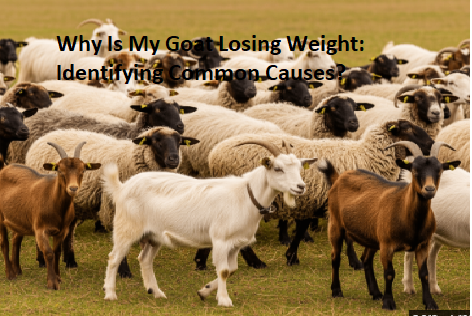
When you notice my goat losing weight, it often signals an underlying health issue that requires immediate attention. Goats are stoic animals, meaning they often hide illness until they are significantly compromised, making early detection vital for recovery.
By monitoring body condition scores and observing behavioral changes, owners can often pinpoint the root cause before the situation becomes critical. This article explores the primary drivers of weight loss in caprine herds, providing actionable steps to help you restore your animal’s health and vitality through proper diagnostic and nutritional management.
Internal Parasite Infestation
The most common reason for weight loss in goats is a heavy internal parasite load. Barber pole worms, or Haemonchus contortus, are particularly devastating because they feed on the blood of the host. This constant blood loss leads to severe anemia, which manifests as pale eyelids and gums, lethargy, and a steady decline in body condition.
Goats grazing on short, contaminated pastures are highly susceptible to picking up worm larvae. Once the parasite burden exceeds the animal’s ability to fight off the infection, they lose weight despite having access to adequate forage. It is essential to perform a fecal egg count (FEC) to determine which specific parasites are present before administering any dewormer.
Over-reliance on chemical dewormers has led to widespread resistance in many goat populations. Instead of blanket treatment, use the FAMACHA system to score the color of the lower eyelid mucous membranes. This method helps you identify and treat only the individuals that actually need intervention, preserving the efficacy of your medications.
Nutritional Deficiencies and Feed Quality
If your herd isn’t receiving the correct balance of nutrients, they will inevitably begin to shed weight. Goats are browsers, not just grazers, and they require a diet that includes a variety of shrubs, weeds, and high-quality hay. If the available forage is dormant or poor in quality, their energy intake will drop below maintenance levels.
Protein deficiency is a frequent culprit, especially during late pregnancy or lactation. A lactating doe needs significantly more protein and energy to support milk production than a dry animal. If the diet fails to meet these metabolic demands, the body will catabolize its own muscle and fat stores, leading to rapid weight loss.
Mineral supplementation is another critical factor that often goes overlooked. A deficiency in copper, selenium, or zinc can impair the goat’s immune system and metabolic function. Ensure you are providing a loose, goat-specific mineral mix that is free-choice, as block minerals are often too hard for goats to consume in sufficient quantities.
Chronic Wasting Diseases
Certain long-term illnesses can cause a goat to waste away despite a hearty appetite. Caseous Lymphadenitis (CL) can cause internal abscesses that interfere with organ function and nutrient absorption. While external abscesses are easily spotted, internal cases are harder to diagnose without professional veterinary ultrasound or biopsy.
Johne’s disease is another serious concern that causes chronic, progressive weight loss and diarrhea. This bacterial infection attacks the intestinal lining, preventing the animal from absorbing nutrients from their food. Unfortunately, there is no effective cure for Johne’s disease, and infected animals often need to be culled to protect the rest of the herd.
Caprine Arthritis Encephalitis (CAE) can also contribute to weight loss in older goats. The virus often affects joints, making it painful for the animal to move, graze, or compete for food at the trough. If you suspect chronic disease, consult a veterinarian to perform diagnostic testing to rule out contagious pathogens.
Dental Issues and Oral Health
Goats rely on their teeth to grind tough forage into a digestible state. As goats age, their teeth may wear down, become loose, or develop sharp points that make chewing painful. If a goat cannot chew its food properly, it will drop large amounts of cud and fail to extract the necessary nutrients from its feed.
Check your goat’s mouth periodically for signs of dental disease. Look for overgrown molars, impacted food, or inflamed gums that might indicate an infection. A goat with dental pain will often appear to be eating but will actually be spitting out partially chewed food, leading to a slow but steady decline in weight.
You can often observe this by watching the animal closely during feeding time. If they are moving their jaw in an unusual, lopsided manner or taking an excessively long time to finish a small amount of forage, they likely have a dental problem. Addressing these issues early can prevent secondary health complications related to malnutrition.
Environmental Stress and Herd Hierarchy
Goats are herd animals with a strict social structure, and bullying can prevent timid or lower-ranking goats from accessing food. If your feeding area is too small or the forage is limited, dominant goats may drive others away. This constant social stress often leads to a lower-ranking goat losing weight.
Environmental factors, such as extreme heat or cold, also increase metabolic stress. During winter months, goats require extra calories to maintain their body temperature. If the shelter is drafty or damp, they will burn through their fat reserves just to stay warm, leading to weight loss if their ration isn’t adjusted accordingly.
Observe the herd during feeding times to identify any aggressive behavior. Providing multiple feeding stations or spreading out hay can alleviate competition and ensure every member of the herd gets their fair share. Reducing stress is just as important as providing high-quality feed for maintaining optimal body weight.
Diagnostic Comparison Table
Understanding the difference between common causes of weight loss helps in selecting the right treatment. The following table outlines how different issues manifest in a herd setting.
| Potential Cause | Primary Symptom | Common Diagnostic Method |
|---|---|---|
| Parasitic Load | Pale membranes, rough coat | Fecal Egg Count (FEC) |
| Nutritional Gap | General weakness, poor hair | Dietary analysis |
| Dental Problems | Dropping cud, slow eating | Oral physical exam |
| Johne’s Disease | Chronic wasting, diarrhea | Blood testing |
| Social Stress | Weight loss in submissive goats | Behavioral observation |
Treatment and Recovery Strategies
Once you identify the reason for weight loss, you must act systematically to reverse the trend. If parasites are the issue, implement a deworming protocol tailored to the specific results of your fecal testing. Always follow up with a follow-up test to ensure the parasite load has actually decreased.
For nutritional issues, gradually increase the energy density of the diet. Adding high-quality alfalfa hay or a small amount of textured goat feed can help fill the calorie gap. Do not make sudden changes, as this can trigger digestive upset, which will only exacerbate the weight loss.
Maintain a log of your interventions and the goat’s response. Tracking weight changes weekly allows you to see if your plan is working or if you need to pivot to a different strategy. For more detailed clinical information, you can review resources provided by the USDA Animal and Plant Health Inspection Service regarding livestock health management.
Frequently Asked Questions
How can I tell if my goat is actually underweight?
You should use the Body Condition Score (BCS) system, which involves feeling the spine, ribs, and loin area. A goat with a score of 1 or 2 is dangerously thin, while a 3 is ideal; anything above 4 suggests the animal is obese.
Can I just give my goat a dewormer to fix the weight loss?
No, you should never deworm without a confirmed diagnosis. Over-treating with chemicals creates resistant parasite strains, and if the weight loss is caused by something else, like dental disease or a virus, the dewormer will provide no relief.
What should I feed a thin goat to help it gain weight?
Focus on high-quality forage like legume hay, which is rich in protein and calcium. You can also offer a small amount of calorie-dense supplements like black oil sunflower seeds, but ensure your overall feeding program remains balanced and forage-based.
How long does it take for a goat to regain lost weight?
Weight gain is a slow process, often taking several weeks to months depending on the severity of the initial loss. Aim for a gradual increase to avoid metabolic strain, as rapid weight gain can sometimes cause its own set of health issues.
Is it possible that my goat’s weight loss is contagious?
Yes, several causes are contagious, including internal parasites and certain viral diseases. If you suspect an infectious cause, isolate the thin animal from the rest of the herd until you have a definitive diagnosis from a veterinarian.
Maintaining Herd Health
Preventing weight loss begins with consistent herd management and observation. By familiarizing yourself with the baseline health and behavior of your animals, you can detect subtle changes early. Regular fecal testing, a balanced mineral program, and a clean environment are the foundations of a thriving goat herd.
When you notice my goat losing weight, remember that patience and consistent monitoring are your best tools. Do not hesitate to involve a large animal veterinarian if home management strategies do not yield results within a reasonable timeframe. By staying proactive, you can ensure your goats remain healthy, productive, and comfortable throughout their lives.
