

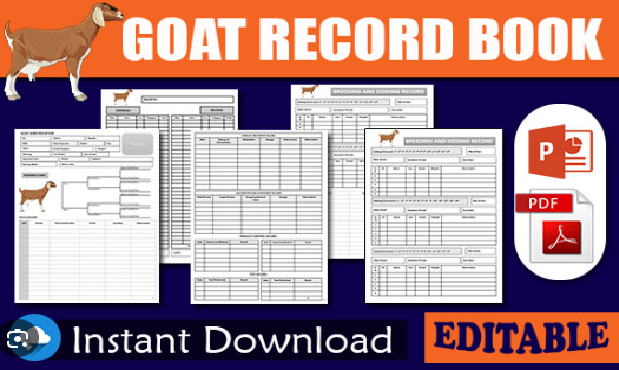
Effective management of high-value livestock begins with a structured kamori goat farming daily record sheet. These animals are prized for their unique physical traits and growth potential, making precise data tracking essential for profitability. By maintaining consistent logs, you transform raw observations into actionable insights that guide breeding, health, and nutrition decisions.
The most critical information to capture in your daily log includes individual animal weights, feed intake, and health interventions. For a Kamori operation, success hinges on tracking the growth rate of specific bloodlines to ensure the herd meets market standards. Without a written history, you are essentially guessing at the efficiency of your feeding programs and the genetic progress of your stock.
Why Daily Documentation Matters for Kamori Herds
Kamori goats are a specialized breed often kept for their distinct appearance and size. Because these animals command higher prices than standard meat goats, every individual represents a significant financial asset. A rigorous approach to your kamori goat farming daily record sheet ensures you aren’t leaving money on the table due to poor oversight.
When you track daily performance, you identify health issues long before they become catastrophic. A goat that stops eating or shows a sudden drop in weight is easily flagged if you have recorded its consumption habits over the previous week. This proactive monitoring allows for early veterinary intervention, saving you the high costs of emergency care.
Furthermore, documentation is vital for breeding programs. By logging the birth dates, weights at weaning, and growth milestones of kids, you can identify which bucks and does produce the best offspring. This data-driven selection process is the only way to improve the quality of your herd over several generations.
Essential Data Points for Your Daily Log
Your record system needs to be simple enough to use during busy mornings but detailed enough to provide value. If a log is too complex, you will eventually stop using it. Focus on metrics that directly impact your bottom line and the physical well-being of the goats.
Core Metrics to Track
- Individual animal identification numbers or tags.
- Daily weight gain measurements for growing kids.
- Total feed consumption in kilograms per group or pen.
- Medical history, including vaccinations and deworming dates.
- Reproductive milestones such as breeding dates and expected kidding dates.
- Mortality rates and incidents of illness or injury.
Consistency is more important than the medium you use to store this information. Whether you prefer a physical binder in the barn or a digital spreadsheet, the key is to update it at the same time every day. This routine helps you notice deviations in behavior or appetite that might otherwise go unnoticed.
Managing Feed Efficiency and Costs
Feed is typically the largest variable cost in any goat farming operation. Tracking how much your Kamori goats consume relative to their weight gain is a basic exercise in monitoring your return on investment. You should be able to calculate your feed conversion ratio using the data in your logs.
If you notice that a particular group of goats is consuming significantly more feed without a corresponding increase in weight, it is time to investigate. The issue could be parasitic, or it might simply be that the feed quality has declined. Without a record, you would likely blame the weather or assume the animals are just having an “off week.”
For more information on managing livestock production cycles, you can consult the Food and Agriculture Organization of the United Nations for global standards on animal husbandry. Their resources provide context on how to balance nutrition with animal welfare requirements. Applying these standards to your daily tracking helps ensure your management practices remain competitive.
Health Monitoring and Veterinary Compliance
Health records are not just for your internal management; they are essential for biosecurity. If you plan to sell your goats at premium prices, buyers will want to see proof of vaccination and deworming history. A clean, legible kamori goat farming daily record sheet acts as a medical passport for your livestock.
Documenting every injection, supplement, and antibiotic dose is also a legal requirement in many jurisdictions. If you fail to keep these records, you may face fines or lose the ability to sell animals for slaughter. You should include the date of administration, the specific drug used, the dosage, and the name of the animal treated.
Medical Record Table
| Date | Animal ID | Treatment | Dosage | Withdrawal Period |
| :— | :— | :— | :— | :— |
| 2024-05-12 | K-042 | Dewormer | 5ml | 21 Days |
| 2024-05-15 | K-089 | Vaccine | 2ml | N/A |
| 2024-05-20 | K-102 | Antibiotic | 10ml | 30 Days |
Always track the withdrawal period after administering medication. This prevents you from accidentally selling or using an animal that still has drug residues in its system. This simple layer of protection safeguards your reputation as a responsible breeder.
Breeding Records and Genetic Progress
Kamori goats are often bred for specific physical attributes, such as their unique ear shape and body conformation. Keeping a record of which buck was paired with which doe is necessary to prevent inbreeding and track the lineage of your stock. If you don’t track these pairings, your genetic progress will stall.
You should record the date of service and the expected date of kidding. This allows you to prepare the maternity pen well in advance of the birth. Being ready for the arrival of kids significantly reduces the risk of neonatal mortality.
When the kids are born, record their birth weight and any immediate health concerns. Over time, these records will show you which does are the best mothers. You can then make informed decisions about which animals to keep for future breeding and which to sell for meat or other purposes.
Analyzing Seasonal Trends
Livestock performance is rarely static throughout the year. Factors like temperature, humidity, and forage availability change with the seasons, impacting your herd’s growth and health. By looking back at your past logs, you can predict these fluctuations and prepare for them.
For example, if your records show that your Kamori kids consistently lose weight during the peak of summer, you can plan to provide extra shade or supplemental cooling in future years. If you notice a spike in respiratory issues during the rainy season, you can adjust your barn ventilation ahead of time. This proactive planning is the hallmark of a successful professional farmer.
Data analysis doesn’t need to be overly complicated. Simply reviewing your monthly totals for feed costs versus sales revenue can reveal a lot. You might find that certain months are inherently less profitable due to high input costs, prompting you to adjust your breeding cycles to avoid those periods.
Optimizing Your Daily Routine
The best way to maintain a kamori goat farming daily record sheet is to integrate it into your existing workflow. Keep a clipboard and pen right at the entrance of the barn. If you have to walk back to an office to record data, you will eventually skip it.
Spend five minutes at the end of every shift reviewing what you wrote down. This brief reflection allows you to spot errors or missing information before the day is over. It also helps you form a mental picture of how the herd is doing as a whole.
If you are managing a larger herd, consider using a simple smartphone app or a dedicated tablet in the barn. These tools can automatically calculate totals and averages, saving you the time of manual math. Just ensure your data is backed up, as losing years of breeding history would be a major setback.
Moving Beyond Basic Tracking
Once you are comfortable with basic record-keeping, you can start tracking more advanced metrics. For instance, you could record the specific body condition score of each goat once a month. This is a numerical scale, typically from 1 to 5, that assesses the fat and muscle cover of the animal.
Body condition scoring is a powerful tool for managing nutrition. If a doe’s score drops too low, you know she needs more energy-dense feed before she can be bred again. This prevents the frustration of “empty” does that simply aren’t in good enough health to conceive.
You might also track the market value of your goats at different ages. Comparing the cost of raising an animal to its sale price at six months versus twelve months can help you determine the optimal age to sell. This level of financial awareness turns your farm into a true business.
Closing Thoughts on Herd Management
Running a profitable Kamori operation requires more than just high-quality stock; it demands rigorous attention to detail. By consistently updating your kamori goat farming daily record sheet, you build a foundation of knowledge that separates successful breeders from hobbyists. You gain the ability to spot problems early, optimize your feed costs, and make objective decisions about your genetic lines.
Start today by creating a simple template that covers your most pressing needs, such as health and growth logs. Commit to entering data every single day, even when the work feels repetitive.
Over time, the trends you discover in your numbers will become your most valuable asset. If you need further advice on specific record-keeping software or breeding protocols, reach out to local agricultural extension offices for guidance tailored to your region.
