

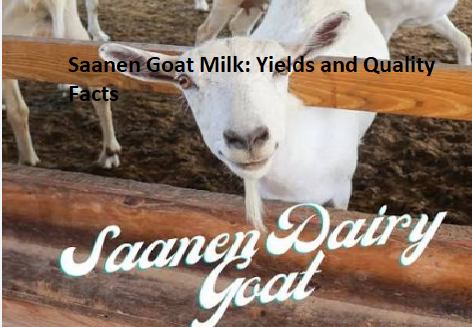
Saanen goat milk is widely recognized by dairy farmers and artisanal producers as the gold standard for high-volume, consistent milk production. Originating from the Saanen Valley of Switzerland, this breed has become the backbone of commercial caprine dairy operations across the globe due to its exceptional efficiency.
If you are considering adding these animals to your farm, understanding the specific output and nutritional profile of Saanen goat milk is essential for your long-term planning. This article provides the data-driven insights you need to evaluate the productivity of these animals and the quality of the product they generate.
The average daily yield for a mature, well-managed Saanen goat is between 3 and 4 liters per day. Under optimal conditions and peak lactation, some high-producing individuals can exceed 5 liters.
This volume is significantly higher than many other dairy breeds, which often average closer to 2 liters daily. Because of this high output, the Saanen is frequently referred to as the “Queen of the Dairy Goats.”
Understanding Production Efficiency
The primary reason farmers prioritize Saanen goat milk production is the breed’s feed conversion ratio. These goats are biologically engineered to process forage and grain into liquid dairy more efficiently than smaller, hardier breeds. When you calculate the cost of inputs against the volume of output, the Saanen consistently ranks at the top of the list for profitability.
Professional dairies often manage these goats in intensive systems to ensure they maintain their high lactation curves. This includes providing a balanced diet of high-quality alfalfa, specialized dairy pellets, and constant access to clean water. Without these specific inputs, a Saanen will not reach its potential yield, and you will see a rapid decline in production.
Managing the lactation cycle is another critical aspect of maintaining high yields over time. A standard lactation period for a Saanen lasts approximately 305 days.
During this window, you must monitor the animal’s body condition score to prevent metabolic stress. If the animal loses too much weight during peak production, your total annual output will suffer significantly.
Nutritional Composition and Flavor Profile
Many consumers are surprised by how mild and creamy Saanen goat milk actually tastes compared to the milk of other breeds. While goat milk is often unfairly stereotyped as having a “goaty” or pungent flavor, the milk from a well-fed Saanen is remarkably clean. The flavor profile is largely determined by the diet and the speed of processing after milking.
The fat content in this milk typically ranges from 3% to 4%, which is comparable to many breeds of dairy cattle. This moderate fat percentage makes it ideal for producing high-quality cheeses, yogurts, and kefirs. Because the fat globules in goat milk are smaller than those in cow milk, it is often more easily digested by those with mild lactose sensitivities.
You can compare the general nutritional profile of this milk against other common livestock below. These figures represent averages and can fluctuate based on regional feed sources and genetic lines.
| Component | Saanen Goat Milk | Cow Milk (Holstein) |
|---|---|---|
| Butterfat | 3.2% – 3.8% | 3.5% – 4.0% |
| Protein | 2.8% – 3.2% | 3.0% – 3.4% |
| Lactose | 4.0% – 4.5% | 4.5% – 5.0% |
| Daily Yield | 3.0 – 5.0 Liters | 25 – 35 Liters |
Managing Herd Health for Milk Consistency
Maintaining the quality of your dairy supply requires rigorous attention to the health of your herd. Mastitis is the most common threat to consistent output and can quickly ruin a batch of milk. You should implement a strict milking hygiene protocol, which includes post-milking teat disinfection and regular cleaning of all equipment.
Saanens are white or cream-colored, which makes them susceptible to sunburn in extremely hot climates. While this might seem unrelated to milk production, environmental stress directly impacts the animal’s metabolic state. Providing adequate shade and cooling systems is a standard requirement for high-producing commercial dairy farms.
Regular veterinary checkups and vaccinations are mandatory for maintaining a productive herd. You should also monitor somatic cell counts (SCC) in your milk as an early indicator of udder health. If your SCC levels start to climb, it is a sign that your management practices need adjustment before production volume takes a hit.
Economic Considerations for Producers
Entering the market for goat dairy requires a significant upfront investment in infrastructure and high-quality breeding stock. You aren’t just paying for the animal; you are paying for the genetic history of milk production. A registered, high-pedigree Saanen doe will command a premium price compared to a commercial-grade animal.
Labor costs are a major factor in the profitability of any dairy operation. Because Saanens need to be milked twice daily to maintain their high output, your schedule must be rigid and reliable. You cannot skip milkings without risking the health of the doe and a permanent decrease in her milk production capacity.
The market demand for goat milk products continues to grow as consumers look for alternatives to cow milk. Whether you focus on raw milk sales, where permitted, or value-added products like chèvre or feta, the consistency of your supply is your greatest asset.
You can find detailed information on dairy safety standards through the U.S. Food and Drug Administration guidelines for raw milk and processed dairy products.
Equipment and Infrastructure Needs
You cannot effectively manage a herd of Saanen goats without the right milking infrastructure. Hand milking is physically demanding and rarely sustainable for a herd of more than five or six animals. Investing in a small-scale vacuum milking system will save your joints and improve the speed of your operation.
Cleanliness is non-negotiable when dealing with dairy. Your milking parlor should be designed for easy wash-down, with non-porous surfaces and proper drainage. Any residue left in the lines or the bucket will lead to bacterial growth, which shortens the shelf life of your product and creates a food safety hazard.
Storage is another critical bottleneck for new producers. Once you have a high-yielding goat producing 4 liters of milk a day, you need a way to cool it down to 4 degrees Celsius almost immediately. A plate cooler or a dedicated milk vat is necessary to ensure the quality remains high until you can process or distribute the milk.
Comparing Saanen to Other Dairy Breeds
While the Saanen is the volume leader, other breeds have their own specific advantages. The Alpine, for instance, is known for its incredible hardiness and ability to thrive in a wider variety of climates. The Toggenburg is smaller and often preferred by hobbyists who don’t want the massive daily volume that a Saanen produces.
The Nubian breed is famous for its high butterfat content, which makes it superior for cheesemaking. However, Nubians typically produce significantly less milk by volume than a Saanen. If your primary goal is sheer quantity of liquid product, the Saanen remains the undisputed champion.
Choosing the right breed depends entirely on your business model. If you are selling milk by the liter, you need the volume of the Saanen. If you are producing high-end, artisanal aged cheeses, you might prefer a breed with higher butterfat, even if the total volume is lower.
Common Challenges in the Dairy Cycle
The transition period—the time immediately before and after kidding—is the most dangerous time for your production cycle. A doe that has not been properly fed during her dry period will struggle to reach her peak lactation potential. You must ensure she has the right mineral balance, specifically calcium and phosphorus, to avoid milk fever.
Seasonal breeding is another challenge that affects year-round milk supply. To keep your dairy in production throughout the winter, you must stagger your breeding schedule. This requires careful planning and a deep understanding of your herd’s cycle to ensure you don’t have a total drop-off in production during the colder months.
Feed costs are the single largest variable in your operating budget. During the winter, when fresh pasture is unavailable, your reliance on stored hay and grains increases. If you haven’t secured a reliable supply of high-quality forage, your profit margins will vanish as you pay premium prices for feed.
Frequently Asked Questions
Are Saanen goats the best choice for beginners?
They are excellent for production, but they require a higher level of management than some other breeds. Their high energy needs and susceptibility to heat mean you must have a proper facility ready before you bring them home.
How much does a typical Saanen doe cost?
Prices vary widely based on pedigree, age, and production history. A commercial-grade doe might cost between $300 and $600, while a registered animal with proven lineage can cost upwards of $1,000 or more.
Do I need to milk them twice a day?
Yes, for maximum production and udder health, twice-a-day milking is the standard. Skipping milkings will cause the doe to “dry up” prematurely and significantly reduce the total milk volume you get over the year.
What is the shelf life of fresh goat milk?
If properly chilled to 4 degrees Celsius immediately after milking, fresh milk will last 7 to 10 days in a refrigerator. Proper sanitation during the milking process is the biggest factor in determining how long your milk stays fresh.
Is Saanen milk safe to drink raw?
The safety of raw milk is a complex legal and health topic that varies by jurisdiction. You must check your local and state regulations regarding the sale and consumption of raw dairy products, as many areas have strict testing requirements.
Developing a Sustainable Dairy Future
The long-term success of your dairy depends on your ability to manage the delicate balance between animal welfare and production volume. The Saanen goat is a high-performance animal that will reward your investment in nutrition and care with a consistent supply of high-quality milk. Focusing on the technical details of your operation—from the milking parlor hygiene to the specific mineral profile of your feed—will differentiate your product in a crowded marketplace.
As you move forward, keep meticulous records of every doe’s output. Data is the only way to identify which animals are actually profitable and which ones are simply consuming expensive feed.
By breeding for production and maintaining a clean, efficient facility, you can build a sustainable business around the production of premium Saanen goat milk. Start by sourcing your initial animals from reputable breeders who keep detailed lactation records, and you will set a strong foundation for your future in the dairy industry.
