

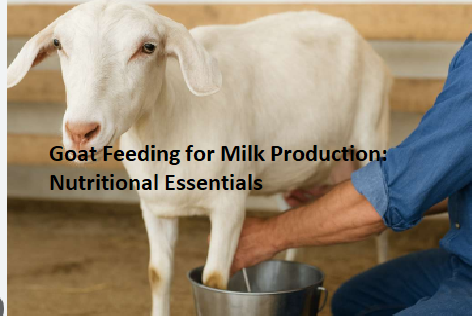
Effective goat feeding for milk production relies on balancing energy, protein, and mineral intake to meet the intense metabolic demands of lactation. Dairy goats require significantly more nutrients than dry does or wethers, as they must maintain their own body condition while producing high-quality milk. Getting these ratios right determines the longevity of your herd and the profitability of your dairy operation.
For an average-sized dairy goat, the daily dry matter intake typically ranges from 3% to 5% of her body weight. To sustain peak lactation, a 150-pound goat needs approximately 4.5 to 7.5 pounds of dry matter daily.
If you provide low-quality forage, the goat cannot physically consume enough volume to meet her energy requirements. This leads to a rapid decline in milk yield and potential weight loss that is difficult to reverse during the milking season.
Energy Requirements for Peak Lactation
Energy is the most common limiting factor in goat feeding for milk production. Lactating does burn calories at an incredible rate to synthesize milk fat and protein.
When energy intake falls short, the goat will mobilize her own body fat to compensate, which often causes ketosis or metabolic stress. You must provide highly digestible carbohydrates to prevent this negative energy balance.
Grains like corn, barley, or oats are standard energy sources in dairy rations. However, you must be careful not to introduce too much starch too quickly, as this can cause acidosis or bloat.
A good rule of thumb is to limit concentrate feeding to no more than 50% of the total diet by weight. Always balance these grains with high-quality forage to keep the rumen functioning correctly.
Monitor your goats’ body condition scores (BCS) on a scale of 1 to 5 throughout the season. A milking doe should ideally maintain a score of 2.5 to 3.0.
If she drops below 2.0, you must increase the energy density of her ration immediately. Conversely, a score above 4.0 suggests she is storing fat instead of producing milk, which can lead to breeding issues.
Protein Quality and Quantity
Protein is the building block of milk solids, specifically casein. While energy fuels the production process, protein determines the volume and composition of the milk.
A diet deficient in crude protein will result in an immediate drop in milk yield, regardless of how much energy the goat consumes. Dairy goats generally require a ration containing 14% to 18% crude protein, depending on their stage of lactation.
Alfalfa hay is the gold standard for dairy goats because it provides a consistent, high-quality protein source. It also supplies calcium, which is essential for bone health and milk synthesis.
If you cannot source high-quality alfalfa, you must supplement with protein-rich grains like soybean meal or canola meal. These additives help bridge the gap between low-quality grass hay and the goat’s high nutritional needs.
Be aware that the quality of protein matters as much as the percentage. Rumen-degradable protein is necessary for the microbes that digest fiber, while bypass protein reaches the small intestine to support milk production directly.
A balanced ration includes a mix of both to ensure the goat maximizes her nutrient absorption. Always consult with a local nutritionist or extension agent to analyze your specific forage quality before formulating a custom mix.
Forage Management Strategies
Forage should always be the foundation of any goat feeding for milk production strategy. Goats are natural browsers, but in a dairy setting, they require high-quality hay or pasture to reach their genetic potential.
Fiber intake is critical for maintaining the proper pH balance in the rumen, which prevents digestive upsets. Aim for at least 1.5% to 2% of the goat’s body weight in long-stem forage every single day.
Pasture can be a cost-effective food source, but it is rarely enough to sustain peak milk production alone. Even the best clover or grass pastures lack the energy density required for a doe producing a gallon or more of milk daily.
Use pasture as a supplement and provide free-choice hay in the barn to ensure the goats have consistent access to fiber. This prevents them from over-consuming concentrates when they are hungry.
The physical form of the feed also influences consumption. Goats prefer long-stem hay over finely chopped material or dusty pellets.
If your hay is coarse, ensure it is clean and free of mold, as goats are notoriously picky eaters. They will often refuse to eat the stems of lower-quality hay, leading to wasted feed and lower overall nutrient intake.
Essential Minerals and Supplements
Mineral requirements for dairy goats are specific and non-negotiable. Goats are highly susceptible to imbalances in copper, selenium, and zinc, which directly impact milk quality and reproductive health.
You must provide a high-quality, goat-specific loose mineral mix at all times. Avoid sheep minerals, as they lack the copper that goats require for optimal health.
Calcium and phosphorus are the most critical minerals for milk production. The ratio should be kept around 2:1 (calcium to phosphorus) to prevent urinary calculi, especially in bucklings or wethers.
Lactating does have a massive demand for calcium; if the dietary supply is insufficient, the goat will leach it from her own skeletal system. This can lead to milk fever, a condition characterized by muscle weakness and potential collapse.
Water is the most overlooked nutrient in the dairy barn. A goat producing a high volume of milk can consume 3 to 5 gallons of water per day.
If water is dirty, frozen, or hard to reach, the goat will drink less and produce less milk. Always ensure your water troughs are scrubbed daily and that the water supply is fresh and accessible.
Comparing Feed Composition
The following table outlines the general nutrient requirements for a standard 150-pound dairy doe in peak lactation. These values are estimates based on standard dairy production models.
| Nutrient Category | Requirement Percentage (DM Basis) |
|---|---|
| Crude Protein | 16% – 18% |
| Total Digestible Nutrients (TDN) | 70% – 75% |
| Neutral Detergent Fiber (NDF) | 28% – 32% |
| Acid Detergent Fiber (ADF) | 19% – 21% |
| Calcium | 0.6% – 0.8% |
Common Feeding Mistakes
One of the most frequent errors in managing dairy goats is over-feeding concentrates. While it is tempting to provide extra grain to increase milk yield, too much starch can cause the rumen to become overly acidic.
This condition, known as sub-acute ruminal acidosis, destroys the bacteria responsible for fiber digestion. The result is a goat that eats plenty of grain but produces less milk because she can no longer process her hay.
Another common mistake is inconsistent feeding schedules. Dairy goats are creatures of habit; they thrive on routine.
If you feed them at irregular hours, you will see a measurable drop in milk production due to stress. Try to feed your herd at the same time every morning and evening, ideally coinciding with your milking sessions.
Finally, failing to account for individual production levels is a missed opportunity. High-producing does need more energy than those nearing the end of their lactation cycle.
If you feed the entire herd the same amount, you are either wasting money on low-producers or starving your best milkers. Use a system to track individual output and adjust concentrate levels accordingly.
Monitoring and Adjusting Rations
Effective management requires constant observation. You should weigh your milk yield regularly to see how diet changes affect production.
If you switch to a new batch of hay and notice a dip in output, you need to adjust your grain ration to compensate. You can find detailed resources on calculating these nutritional requirements through the Penn State Extension goat management portal.
Keep a logbook that tracks both feed intake and daily milk volume. Note the dates when you introduce new feed sources or make significant changes to the mineral supplement.
Over time, these records will show you which specific feeds work best for your unique environment. You will quickly learn how to spot the early signs of nutritional stress before they manifest as a total loss in production.
Be prepared to adjust for seasonal changes. During the winter, your goats will require more energy just to stay warm.
During the summer, heat stress can reduce feed intake, requiring you to offer more palatable, energy-dense feeds during the cooler parts of the day. Flexibility is the hallmark of a successful dairy goat operation.
Frequently Asked Questions
What is the best way to increase milk production naturally?
The most effective way is to ensure the goat has constant access to high-quality forage and clean water. Supplementing with alfalfa and a balanced grain ration provides the necessary energy and protein. Keeping the goat stress-free and maintaining a consistent milking routine are also vital for long-term production.
How much milk should a healthy dairy goat produce?
Production varies by breed and individual genetics, but a well-fed dairy goat typically produces between 0.5 and 1.5 gallons per day. Peak production usually occurs in the first three months of lactation. High-producing breeds like Saanens or Alpines may exceed these averages under optimal conditions.
Why is my goat’s milk production dropping suddenly?
A sudden drop is often caused by a change in diet, heat stress, or a lack of water. It can also indicate a health issue like mastitis or internal parasites. Check your feed quality first and ensure the goat is not being bullied away from the feeder by other herd members.
Do goats need special supplements for lactation?
They require a high-quality loose mineral mix specifically formulated for goats to maintain health. While some producers add probiotics or yeast cultures to help with rumen function, these are secondary to a solid base diet. Never add supplements without first ensuring the core requirements of protein and energy are met.
How do I know if my goat is getting enough energy?
Monitor her body condition score regularly. If the goat is losing weight or her backbone and ribs become overly prominent, she is likely in a negative energy balance. Increasing her intake of high-quality hay or adding a small amount of calorie-dense grain can help stabilize her condition.
Conclusion
Mastering the art of goat feeding for milk production is a continuous process of observation and adjustment. By prioritizing high-quality forage, maintaining strict mineral balance, and tracking the individual needs of your does, you create a sustainable environment for high yields. Nutritional management is the single most significant factor in both the health of your animals and the overall success of your dairy.
Start by evaluating your current hay quality and ensuring your mineral program is goat-specific. Keep detailed records of your production numbers and don’t be afraid to tweak your grain ratios as the season progresses.
With consistent care and a focus on the fundamentals, you will see the results in your milk pail. Reach out to local agricultural experts if you need help testing your forage, and keep your goats well-fed to ensure they thrive throughout their lactation.
