

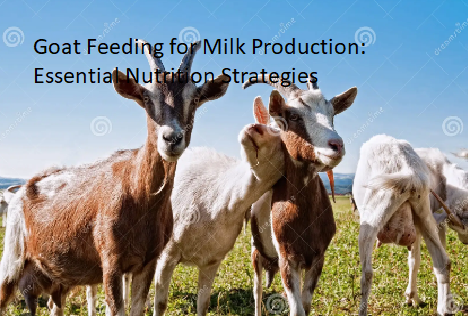
Optimizing goat feeding for milk production requires a precise balance of energy, protein, and mineral intake to support the metabolic demands of lactation. Dairy goats are high-performance animals that convert forage and concentrates into nutrient-dense milk, but they can only reach their genetic potential when their dietary needs are met consistently. By understanding how to structure a ration based on the life stage and output of your herd, you ensure both animal longevity and consistent yields throughout the milking season.
The primary goal of a dairy goat’s diet is to maintain a positive energy balance while providing enough protein to support milk synthesis. When a doe begins lactation, her energy needs can increase by as much as 200% compared to her dry period. If you do not provide enough calories, the goat will mobilize her own body fat, leading to weight loss and a rapid decline in milk quality and quantity.
Energy Requirements and Carbohydrate Sources
Energy is the single most important factor when you are looking at goat feeding for milk production. Lactation is a calorie-intensive process, and a lack of energy is the most common cause of low milk volume in otherwise healthy herds. You must provide high-quality carbohydrates to meet these demands, primarily through a combination of forage and supplemental grains.
Fiber is the foundation of the digestive system, as it stimulates rumen function and supports the production of butterfat in the milk. You should aim for a diet that is at least 60% high-quality forage, such as alfalfa or high-protein grass hay. Alfalfa is particularly valuable because it provides a dense source of energy and calcium, both of which are essential for high-producing dairy goats.
Concentrates, such as oats, barley, and corn, provide the quick energy needed to bridge the gap between forage intake and metabolic requirement. You should introduce these slowly to prevent digestive upset, specifically acidosis.
A good rule of thumb is to feed 0.5 to 1 pound of concentrate for every 3 pounds of milk produced daily. Always monitor body condition scores to adjust these amounts, as over-feeding grain can lead to obesity and metabolic complications.
Protein Content and Milk Synthesis
Milk is primarily composed of water, protein, and fat, making dietary protein a non-negotiable component of a balanced ration. Dairy goats require a crude protein level of approximately 14% to 16% in their total ration during peak lactation. If the protein content drops below this threshold, the doe will simply reduce her milk output to match the available nitrogen supply.
Soybean meal is the gold standard for supplemental protein due to its excellent amino acid profile, particularly lysine and methionine. These amino acids are essential for tissue repair and milk production.
If you are mixing your own feed, ensure that the protein source is palatable and consistent. A sudden change in protein source can often result in a temporary dip in milk yields as the rumen microbes adjust.
Legumes are a natural way to increase protein without relying solely on expensive commercial concentrates. Clovers and alfalfa provide high levels of bypass protein, which escapes rumen fermentation and is absorbed directly in the small intestine.
This is significantly more efficient than rumen-degradable protein for high-producing dairy goats. Always test your hay to determine its exact protein percentage, as quality can vary wildly between cuttings.
Mineral Balance and Supplementation
Minerals are the “spark plugs” of the metabolic processes that govern milk production. While they do not provide energy directly, a deficiency in key minerals like calcium, phosphorus, or copper will immediately limit how much milk a goat can produce. You must provide a loose, free-choice mineral mix specifically formulated for goats, not sheep or cattle.
Calcium is required in large quantities because it is a primary component of milk. A lactating doe needs a calcium-to-phosphorus ratio of roughly 2:1 to prevent metabolic diseases like milk fever.
If your hay is grass-based rather than legume-based, you might need to supplement calcium specifically. Phosphorus is equally important for energy metabolism and skeletal health, but it should never exceed the amount of calcium in the diet.
Trace minerals, including copper, selenium, and zinc, play critical roles in immune function and enzyme activity. Goats have a higher tolerance for copper than sheep, and they often require supplementation in areas where the soil is deficient.
You can verify regional requirements by checking with your local agricultural extension office or the USDA Natural Resources Conservation Service for soil mapping data. Always ensure the mineral mix is fresh, as goats will avoid stale or clumpy supplements.
Water Consumption and Milk Volume
Milk is roughly 87% water, meaning that hydration is the most overlooked aspect of dairy goat management. A high-producing doe can consume 3 to 5 gallons of water per day, and even more during hot weather or peak lactation. If a goat is restricted from water, she will reduce her dry matter intake immediately, which leads to a direct and sharp drop in milk production.
Water should be kept clean, cool, and easily accessible at all times. Goats are notoriously picky about their water quality and will refuse to drink if the trough is dirty or if the water has been sitting in the sun.
Scrub your water containers weekly to prevent algae growth and biofilm buildup. In the winter, using a tank heater can encourage consistent water intake, preventing the dehydration that often leads to winter production slumps.
The temperature of the water also matters more than many owners realize. While goats can drink cold water, they prefer temperatures between 50 and 60 degrees Fahrenheit.
If the water is frozen or near freezing, the goat must expend energy to warm it up, which takes calories away from milk production. Proper hydration isn’t just about survival; it’s about maximizing the efficiency of the entire digestive tract.
Body Condition Scoring for Herd Health
Monitoring body condition is the most accurate way to determine if your feeding program is working. You should use a 1 to 5 scale to assess the fat cover over the ribs, spine, and sternum of your does. A dairy goat in peak production should ideally have a score of 2.5 to 3, meaning she has enough reserves to support her output but isn’t storing excess fat.
If a doe drops below a 2, she is likely burning muscle tissue to meet her energy needs. This indicates that your energy-to-protein ratio in the feed is insufficient or that she is being pushed too hard.
Conversely, a score above 3.5 suggests that you are over-feeding, which can lead to metabolic issues like ketosis after kidding. You should record these scores monthly to track trends across the lactation cycle.
Adjusting feed based on these scores requires patience and consistency. Never make drastic changes to the ration, as the rumen needs time to adapt to new energy levels.
Instead, increase the grain or hay quality by small increments over the course of a week. This gradual shift prevents the sudden drop in pH that causes rumen acidosis and keeps your milk production stable.
Comparing Dietary Strategies
Different management styles require different approaches to feeding. Some producers rely on intensive pasture grazing, while others prefer dry-lot systems where every ounce of feed is weighed and balanced. The following table provides a comparison of these two common approaches for dairy operations.
| Factor | Intensive Pasture | Dry-Lot System |
|---|---|---|
| Feed Cost | Low to Moderate | High |
| Milk Consistency | Variable (Seasonal) | High (Uniform) |
| Labor Requirement | Medium | High |
| Parasite Risk | High | Low |
Each system has its own distinct challenges. Pasture-based systems provide excellent nutrition through diverse plant life, but the energy content of grass fluctuates with the weather.
Dry-lot systems offer total control over nutrient intake, but they require significant capital investment in storage and feed handling equipment. Choose a system that aligns with your available land, budget, and labor capacity.
Common Feed Additives and Supplements
Beyond basic grains and hay, many producers use specific additives to boost efficiency. Yeast cultures are one of the most popular, as they help stabilize the rumen environment and improve fiber digestion. Research suggests that consistent use of yeast can lead to a modest but measurable increase in milk fat percentage.
Probiotics can also be beneficial, especially during times of stress, such as when introducing new animals or transitioning to a new batch of hay. These supplements support the beneficial bacteria in the gut, which are responsible for breaking down complex carbohydrates. While they aren’t a substitute for good management, they can provide a competitive edge in herd health.
You might also consider high-energy supplements like beet pulp or soy hulls. These are excellent sources of digestible fiber that provide energy without the starch load of corn or oats.
They are particularly useful for does that are prone to digestive upset or those that need extra energy during the harsh winter months. Always consult with a veterinarian or nutritionist before adding new supplements to ensure they don’t imbalance your existing mineral program.
Strategic Feeding Milestones
Managing a dairy goat means tracking her through various physiological stages. Each milestone requires a different nutritional strategy to maintain optimal milk production.
- Late Gestation: Increase energy intake to support fetal growth and prevent pregnancy toxemia.
- Fresh Period: Gradually increase grain to allow the rumen to adjust to higher energy demands.
- Peak Lactation: Maximize feed intake to keep up with the highest daily milk volumes.
- Mid-to-Late Lactation: Reduce concentrates to prevent excessive weight gain as production naturally tapers.
- Dry Period: Focus on high-quality forage with minimal grain to allow the mammary tissue to recover.
Following these stages ensures that you aren’t wasting money on feed when it isn’t needed. For example, feeding high-protein grain to a dry doe is an unnecessary expense and can even be detrimental to her health. Aligning your feed budget with these specific milestones is the hallmark of a professional dairy operation.
Frequently Asked Questions
What is the best feed for lactating goats?
The best feed for a lactating doe is a combination of high-quality, leafy alfalfa hay and a balanced concentrate mix. Alfalfa provides the necessary protein and calcium, while the concentrate provides the supplemental energy required to support high milk volume.
How can I naturally increase my goat’s milk production?
Focus on the consistency of the diet and access to high-quality water. Reducing stress, maintaining a strict milking schedule, and ensuring the goat has access to shade and shelter are equally important to nutrition.
Is it safe to feed corn to dairy goats?
Yes, corn is a safe and effective energy source, but it should be cracked or rolled for better digestibility. It should never make up more than 30% of the total grain ration to avoid the risk of rumen acidosis.
How often should I adjust my goat’s feed ration?
You should review your feeding program at least every 30 days or whenever the goat’s milk production changes significantly. Check body condition scores regularly and adjust grain amounts based on weight gain or loss rather than just milk yield alone.
What causes a sudden drop in milk production?
A sudden drop is usually caused by a change in water intake, a change in feed quality, or an underlying health issue like parasites or mastitis. Always verify that the water source is clean and that the hay hasn’t become moldy.
Conclusion
Mastering the nuances of goat feeding for milk production is a continuous process of observation and adjustment. By prioritizing high-quality forage, balanced minerals, and constant access to clean water, you create the foundation for a productive and healthy herd. Remember that every goat is an individual; while general guidelines provide a starting point, your own records and the animal’s body condition will always be your most reliable guide.
Start by auditing your current hay quality and mineral access, as these are the most common points of failure in many operations. If you track your milk yields against feed input for just one season, you will quickly see which adjustments yield the best results for your specific environment.
Consistency is the primary driver of success in dairy goat management, so stick to your routine once you find a balance that works. Reach out to a local nutritionist if you suspect your herd is falling short of its potential.
