

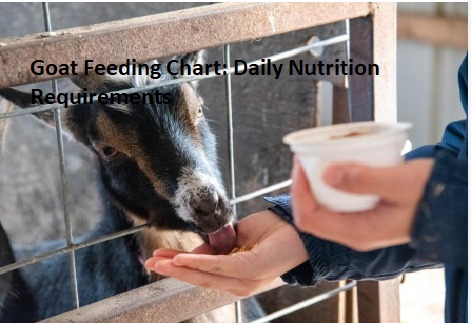
Managing a goat feeding chart is the most effective way to ensure your herd maintains optimal health, consistent weight gain, and high milk production. By tracking individual intake against physiological needs, you prevent common metabolic disorders like bloat or urinary calculi that often stem from improper dietary ratios.
Daily Feed Requirements by Weight
A standard goat feeding chart typically dictates that a goat should consume between 2% to 4% of its body weight in dry matter daily. This total includes a combination of forage, such as high-quality hay or pasture, and supplemental grain when necessary.
For a standard 150-pound dairy goat, this equates to roughly 3 to 6 pounds of dry feed per day. Lactating does or growing kids will consistently sit at the higher end of this percentage range. Maintenance animals, such as retired wethers or dry does, generally perform best at the lower end of the spectrum.
Macronutrients and Forage Quality
Forage must serve as the foundation of every goat’s diet regardless of their specific stage of life.
Goats are natural browsers rather than simple grazers, meaning they prefer a diverse diet of shrubs, weeds, and grasses. When pasture quality declines, you must provide high-quality hay, such as alfalfa or orchard grass, to fill the nutritional gap. Alfalfa is particularly valuable for its high calcium and protein content, which supports heavy milkers and rapidly growing kids.
Always ensure the hay is free from mold and dust, as goats are highly sensitive to respiratory irritants found in low-grade fodder.
Supplemental Grain Strategies
Grain is not a mandatory component for every goat, and overfeeding it can lead to severe health complications. You should only introduce grain to animals with high metabolic demands, such as pregnant does in late gestation or bucks during breeding season. If you choose to use a grain mix, keep it below 0.5% to 1% of the goat’s body weight to avoid acidosis.
Always introduce new grains gradually over a period of 10 to 14 days to allow the rumen microflora to adjust. Sudden changes in concentrated feed can cause life-threatening digestive upsets.
Water and Mineral Access
Water is the most critical nutrient in any goat feeding chart, yet it is frequently overlooked in daily management. A lactating doe can consume up to 3 to 5 gallons of water per day, especially during hot summer months.
If water intake drops, feed intake will almost immediately follow, leading to reduced milk output or weight loss. Furthermore, you must provide a loose mineral mix specifically formulated for goats rather than sheep or cattle. Sheep minerals often lack the copper that goats require for healthy coats and immune function.
Feeding Patterns and Frequency
Goats possess a unique digestive system designed for frequent, small meals throughout the day.
Rather than providing one massive feeding, split the daily ration into two or three smaller portions. This practice mimics their natural browsing behavior and keeps the rumen environment stable. Consistent timing also helps you observe each animal’s appetite, which is often the first indicator of illness.
If a goat ignores its morning portion, you can intervene hours before a minor issue becomes a veterinary emergency.
Nutritional Guidelines by Life Stage
The requirements for a goat change significantly depending on its age and reproductive status. A kid requires high-protein creep feed to support structural development, whereas a mature buck needs a low-calcium diet to prevent the formation of urinary stones. Use the following breakdown to adjust your expectations for different herd members:
- Kids (0-3 months): Primarily milk-based with access to high-protein alfalfa hay and small amounts of starter grain.
- Yearlings: Transition to a maintenance ration of quality forage with minimal grain unless they are showing signs of poor body condition.
- Lactating Does: Require high-protein forage and a balanced grain ration to support milk production without losing body weight.
- Dry Does/Wethers: Usually thrive on good pasture or grass hay alone, as excessive calories lead to obesity and related health issues.
- Breeding Bucks: Need consistent energy intake, but monitor strictly for mineral imbalances to ensure long-term reproductive health.
Comparative Feed Ratios
The following data highlights how different goat types require adjustments in their daily caloric and protein density. These figures are approximations intended to guide your base rations.
| Goat Class | Forage (Dry Matter) | Grain Allowance |
|---|---|---|
| Maintenance (Wether) | 2-3% of body weight | 0% |
| Lactating Doe | 3-4% of body weight | 0.5-1.5% of body weight |
| Growing Kid | 3-4% of body weight | 1-2% of body weight |
| Late Gestation Doe | 3% of body weight | 0.5% of body weight |
Managing the Rumen Health
The rumen is a complex fermentation vat that requires a consistent pH level to function correctly. Feeding high concentrations of starch, such as corn or barley, can drop the rumen pH and kill the beneficial bacteria needed for fiber digestion. This condition, known as grain overload, causes the animal to stop eating and may lead to death if left untreated. You can find detailed veterinary guidance on preventing these metabolic issues through resources like the Extension Foundation. Focus on fiber-first feeding to keep the rumen healthy and productive.
Understanding Body Condition Scoring
A static feeding chart cannot account for every environmental variable, such as extreme cold or heavy parasite loads. You must use body condition scoring (BCS) to verify that your feeding program is actually working for each individual. A goat with a BCS of 1 or 2 is too thin and requires an immediate increase in calorie density. Conversely, a goat with a score of 4 or 5 is obese, which increases the risk of pregnancy toxemia and joint issues. Adjust your feeding amounts monthly based on these physical assessments rather than relying solely on a fixed weight-based chart.
Frequently Asked Questions
How do I know if my goat is getting enough nutrients?
The most reliable indicator is the animal’s body condition score and the overall health of its coat. A healthy goat should have a shiny, smooth coat and enough flesh over the spine and ribs that you can feel them, but they aren’t protruding. If the animal is losing weight despite having access to hay, check for internal parasites before simply increasing grain.
Can goats survive on grass alone?
In many cases, yes, provided the pasture is diverse and high in quality. Goats are browsers, so they prefer a mix of weeds, brush, and grasses rather than a monoculture lawn. If the pasture is poor or dormant, you must supplement with hay to ensure they meet their daily dry matter intake requirements.
Why is copper important for goats?
Copper is an essential trace mineral that supports the goat’s immune system, hair coat, and overall reproductive health. Unlike sheep, which are highly sensitive to copper, goats have a high requirement for it. Without adequate copper, you will notice “fish-tail” hair growth, rough coats, and potentially lower kidding rates.
What foods should I avoid feeding my goats?
Never feed goats moldy hay, onions, garlic, chocolate, or any garden plants belonging to the nightshade family, such as tomatoes or potatoes. Also, avoid feeding lawn clippings, as these can ferment rapidly and cause bloat. Always ensure that any kitchen scraps are limited to safe, healthy vegetables and never make up a significant portion of their diet.
Should I feed grain to a buck?
You should generally limit grain for bucks to avoid the risk of urinary calculi, which is caused by an improper calcium-to-phosphorus ratio. If a buck is underweight or in a high-stress breeding season, use a specifically formulated goat grain that contains ammonium chloride. This additive helps prevent the formation of stones, but it is not a substitute for proper mineral management.
Conclusion
Maintaining a consistent goat feeding chart allows you to move beyond guesswork and provide precise nutrition for your herd. By balancing forage, minerals, and occasional grain based on the specific needs of each animal, you protect them from metabolic diseases and ensure longevity. Regularly assessing body condition scores remains the best way to fine-tune these numbers in real-time. If you notice a drop in milk production or a decline in energy levels, revisit your forage quality first before making drastic changes to your supplement routine. Keeping a detailed log of what your goats eat and how they respond will help you master the nuances of your herd’s unique dietary requirements over time.
