

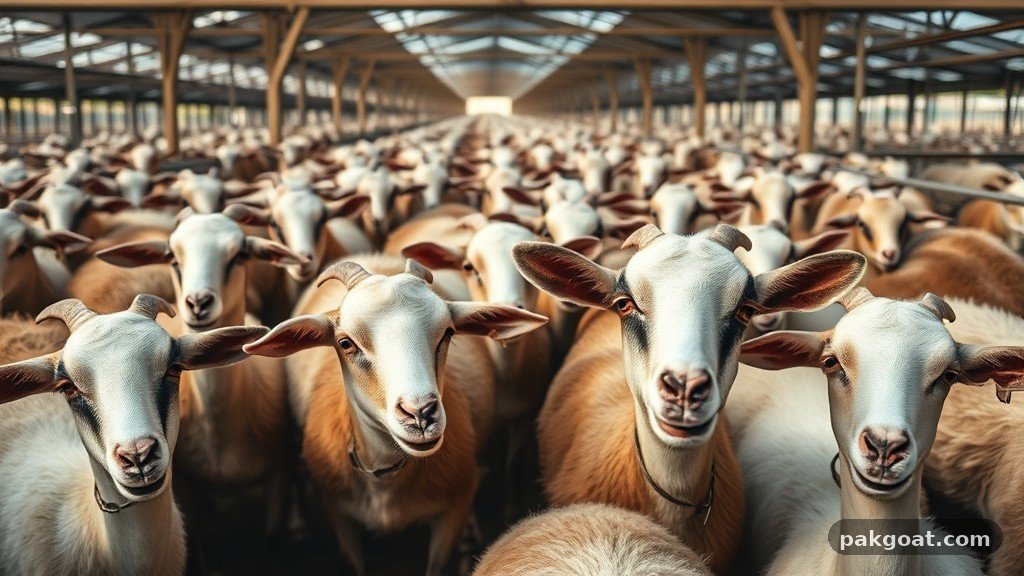
Intensive goat farming represents a shift toward highly controlled, high-density production systems that prioritize maximum output per square meter. Unlike traditional pastoral grazing, this model relies on strict environmental management, specialized nutritional programs, and rapid turnover cycles to optimize herd performance.
Producers choosing this path often seek to serve high-demand urban markets where consistent supply and specific meat quality standards are non-negotiable. Understanding the technical requirements of this system is essential for any operator looking to scale production while maintaining animal health and operational viability.
The core objective of this production model is to minimize the time from birth to harvest through precision management. By housing goats in climate-controlled or semi-enclosed facilities, farmers can eliminate the energy expenditure associated with roaming and searching for forage.
This allows a greater percentage of caloric intake to be diverted toward muscle development and rapid weight gain. In a well-managed intensive system, you can expect to finish meat goats in as little as six to eight months, depending on the breed and the specific nutritional program utilized.
Infrastructure Requirements for High-Density Housing
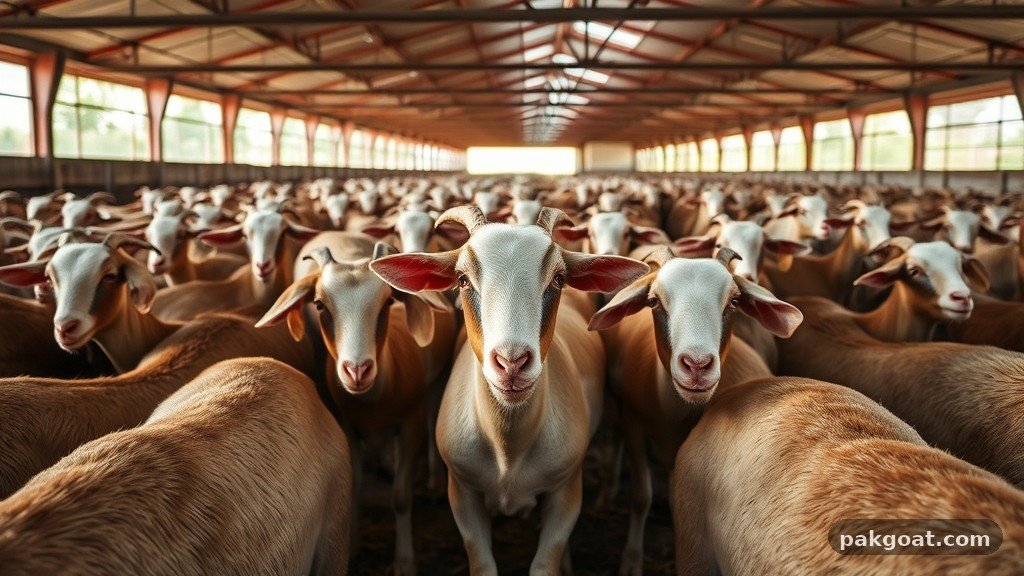
The foundation of any intensive operation is the facility design, which must maximize space while ensuring optimal airflow and sanitation. You aren’t just building a barn; you are creating a controlled environment where humidity, temperature, and ammonia levels are managed daily.
High-density stocking rates typically require 8 to 10 square feet per animal in indoor pens to prevent stress and allow for adequate movement. Proper ventilation is the single most important factor here, as respiratory diseases spread rapidly in confined spaces if air exchange is insufficient.
Flooring choices significantly impact both labor costs and animal health. Many modern facilities utilize slatted or mesh flooring, which allows waste to fall into collection pits, keeping the animals clean and reducing the incidence of hoof rot and internal parasites.
If you opt for solid floors, you must commit to a rigorous daily cleaning schedule and the use of absorbent bedding like straw or wood shavings. The following table outlines the comparative requirements for different types of intensive housing setups.
| System Type | Stocking Density | Primary Benefit | Labor Intensity |
|---|---|---|---|
| Slatted Floor | High | Sanitation | Low (Automated) |
| Deep Litter | Medium | Cost-Effective | High (Manual) |
| Concrete Pad | Low-Medium | Durability | Medium |
Nutritional Strategies for Rapid Growth
In an intensive system, you are essentially managing a biological machine that requires precise fuel inputs to meet growth targets. Forage-based diets are rarely sufficient for the high energy demands of intensive finishing, necessitating the use of high-protein, energy-dense concentrates.
A typical ration might consist of a blend of alfalfa hay, corn, soybean meal, and essential mineral premixes. You must ensure that the feed-to-gain ratio remains favorable, as feed costs usually account for 60% to 70% of total operating expenses.
Consistency in feeding times and nutrient profiles is vital to prevent digestive disorders like acidosis or bloat. Goats in intensive settings are prone to these issues if the transition between feed types is not handled with extreme care.
You should work with a livestock nutritionist to formulate a diet that matches the specific growth phase of your animals. Providing clean, ad-libitum access to water is equally critical, as water intake directly correlates to feed consumption and overall weight gain.
Managing Herd Health Under Confinement
Confinement increases the risk of disease transmission, making a proactive biosecurity plan the backbone of your operation. You cannot rely on reactive veterinary care in a high-density environment; the cost of a disease outbreak can quickly erase an entire season’s profit.
A robust health program includes strict vaccination protocols for common issues like enterotoxemia and tetanus. You must also implement a quarantine period for any new animals entering the herd to prevent the introduction of contagious pathogens.
Parasite management is significantly easier in intensive systems compared to pasture-based ones, but it is not eliminated. Because goats are kept off the ground, the life cycle of many common internal parasites is broken, reducing the need for chemical dewormers.
However, you must remain vigilant for coccidiosis, which thrives in warm, damp environments. Monitoring fecal egg counts periodically will provide data-driven insights into whether your sanitation protocols are effective or if you need to adjust your cleaning frequency.
Economic Viability and Market Positioning
The primary argument for intensive goat farming is the ability to produce a predictable product that meets specific market specifications year-round. While the initial capital expenditure for buildings and equipment is significantly higher than extensive farming, the revenue potential is also greater.
High-end restaurants and ethnic markets often pay a premium for goats that have been raised to specific weight and fat-cover standards. You should identify your target buyer before you invest in your first animal to ensure your production cycle matches their procurement needs.
Market fluctuations can be steep, so diversifying your revenue streams is a wise move. Some producers sell directly to consumers, while others utilize livestock auctions or wholesale contracts. Keep in mind that intensive operations require a high level of technical skill and business management.
You are not just a farmer; you are a manager of an industrial production facility. You can find detailed information on livestock management and welfare standards through the Food and Agriculture Organization of the United Nations.
Key Operational Milestones
Success in this field is measured by how effectively you hit your production targets within a given timeframe. You need to track metrics like average daily gain, feed conversion efficiency, and mortality rates with high precision.
Small improvements in these areas lead to significant differences in the bottom line over the course of a year. Consider the following key milestones that every intensive operator should monitor:
- Weaning transition: Moving kids to high-energy creep feed to minimize growth checks.
- Weight target achievement: Hitting the desired market weight of 60 to 90 pounds by month seven.
- Health check intervals: Monthly body condition scoring to identify underperforming animals early.
- Facility maintenance: Quarterly deep cleaning and disinfection of all housing pens.
- Inventory tracking: Maintaining accurate records of feed inventory and expected harvest dates.
The Role of Genetics in Intensive Systems
You might think that environment is everything, but genetics play a massive role in how well a goat performs under confinement. Certain breeds, such as the Boer, are specifically selected for their rapid growth rates and superior muscling characteristics.
In an intensive setup, you want animals that possess high feed efficiency and a calm temperament. Animals that stress easily in confinement will spend their energy pacing or fighting, which directly subtracts from the weight they could be putting on.
Selecting the right sires is the fastest way to improve your herd’s performance over successive generations. Look for breeders who provide data on growth rates and carcass quality rather than just visual aesthetics.
If your goal is meat production, focus on the genetic traits that lead to higher dressing percentages. By investing in superior genetics early, you reduce the time and feed required to reach market weight, effectively increasing your profit margins per animal.
Managing Waste and Environmental Impact
Intensive production inevitably leads to the accumulation of manure, which must be managed to comply with environmental regulations and maintain site sanitation. On-site composting is a highly effective way to turn a potential waste liability into a valuable asset.
Manure is rich in nutrients and can be sold as high-quality fertilizer to local crop farmers or home gardeners. You need to ensure that your storage areas are properly lined and that drainage is managed to prevent runoff into local water sources.
Failure to manage waste properly will lead to odor complaints and potential legal issues with local authorities. Design your facility with a clear plan for daily waste removal and long-term storage.
If you have the land, you might consider integrating your waste management with a small-scale crop operation. This creates a circular economy on your farm, where the waste from your goats feeds the soil that grows the hay for your next batch of goats.
Frequently Asked Questions
How much land is actually needed for an intensive setup?
Because the animals are housed indoors or in small, high-density pens, you need very little land compared to traditional grazing. A facility housing 500 goats can often fit on less than two acres, provided you have a reliable supply chain for feed. The primary requirement is not acreage, but rather access to utilities, waste disposal, and transport infrastructure.
Is intensive goat farming more profitable than grazing?
Profitability depends on your ability to manage costs and your access to premium markets. Intensive systems have higher overhead and feed costs, but they offer faster turnover and more consistent product quality. Grazing is cheaper to start but leaves you vulnerable to seasonal forage availability and slower growth rates.
What are the biggest risks to an intensive system?
The primary risks are disease outbreaks and feed cost volatility. In a confined space, a single sick animal can infect the entire herd within days. Furthermore, because you are purchasing most of your feed, a spike in grain prices can quickly erode your profit margins if you haven’t locked in supply contracts.
How do I handle the high initial capital investment?
Many producers start by converting existing structures before building new, custom facilities. You can also phase your expansion, starting with a smaller number of animals to test your systems before scaling up. Securing a contract with a buyer before purchasing your first animal can also help in securing financing from lenders.
Building a Sustainable Future
Mastering the complexities of intensive goat farming requires a commitment to data, hygiene, and efficient resource allocation. While the barrier to entry is higher than traditional methods, the ability to control every aspect of the animal’s environment offers a unique path to profitability. You must remain focused on your feed conversion ratios and your biosecurity protocols to ensure the long-term health of your herd.
As the demand for high-quality, consistent meat products continues to rise, those who operate with precision and foresight will find themselves in a strong position. Start by developing a clear business plan that accounts for your specific local market and your long-term expansion goals. Success in this field is built on the daily discipline of monitoring your inputs and optimizing your production cycle to meet the needs of your customers.
