

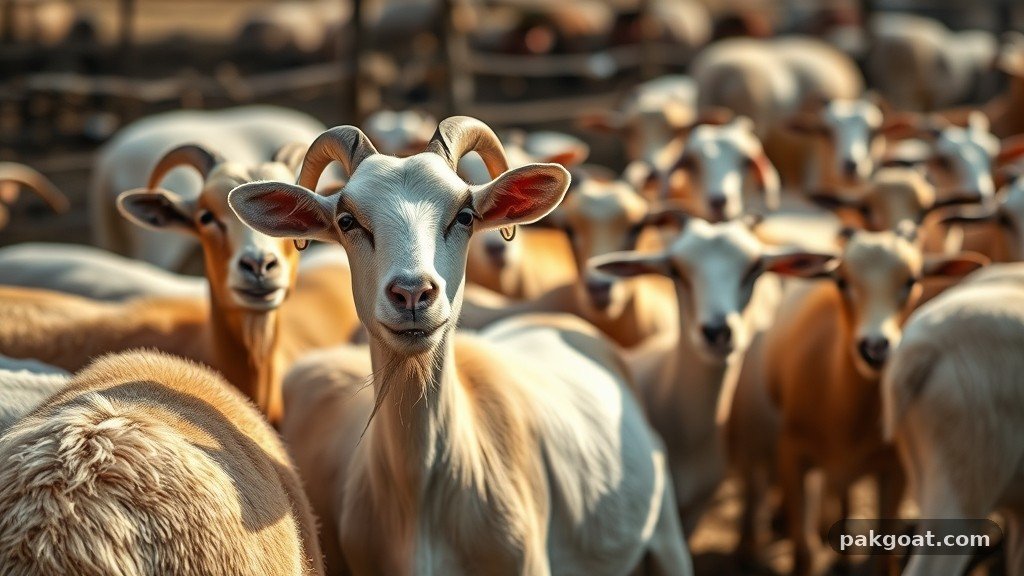
Adopting a strategy of semi intensive goat farming allows producers to balance the efficiency of confined management with the cost-saving benefits of natural grazing. By combining restricted pasture access with supplemental feeding, farmers often see improved growth rates and higher milk yields compared to purely extensive systems.
This approach requires careful planning regarding land allocation, feed management, and herd health, but it provides a sustainable path toward consistent profitability for small and medium-scale operations. Understanding the specific requirements for forage management and supplementation will help you determine if this model fits your available resources and production goals.
The core definition of semi intensive goat farming is a management system where goats are provided with limited grazing time in designated paddocks during the day and are housed in a controlled shed or barn at night. In this setup, the animals receive additional nutrition through concentrates, hay, or silage to ensure they meet their daily energy requirements.
This hybrid method effectively reduces the labor costs associated with full-time stall feeding while mitigating the risks of overgrazing and parasite exposure common in fully extensive, free-range systems. Most commercial producers find that this balance offers the best return on investment by maximizing the nutritional value of local forage while maintaining strict control over the animal’s overall health and growth trajectory.
Land requirements for the herd
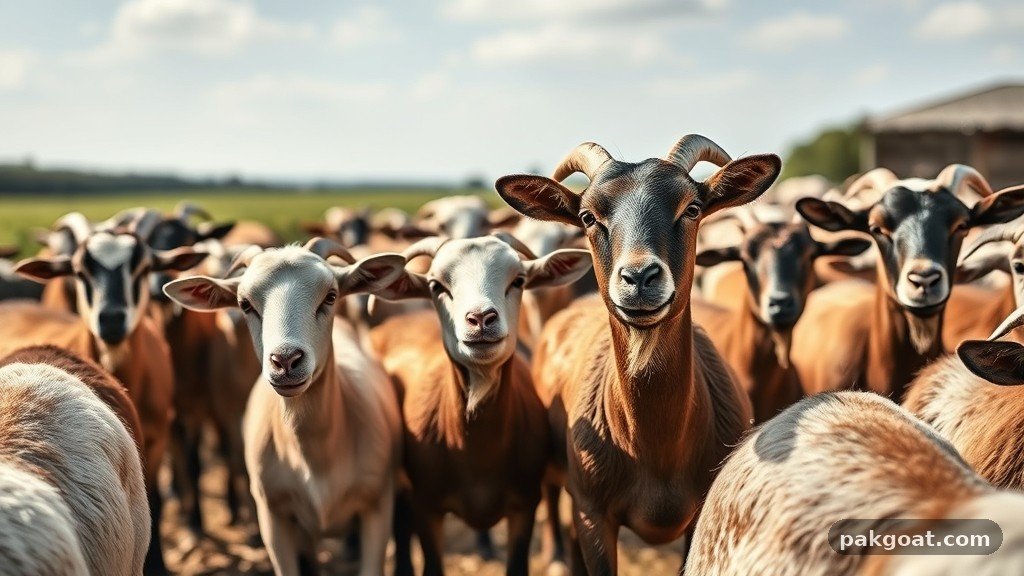
You generally need between 0.5 and 1 acre of land per 10 to 15 goats, depending on the quality of the pasture and the frequency of rotation. In a semi intensive model, the pasture serves as a supplement rather than the sole food source, which allows for higher stocking densities than traditional grazing. You must divide your available land into smaller paddocks to implement a rotational grazing schedule. This strategy prevents the soil from becoming compacted and allows vegetation to recover after the animals have moved to a new section. Without a rotation plan, even a small herd can quickly turn a lush paddock into a bare, muddy patch that encourages parasite growth.
Feeding and supplementation strategies
Nutrition is the most significant variable in the economic success of your operation. Since your goats only graze for part of the day, you must provide a balanced diet of high-quality hay or silage during their time in the barn. You should calculate the daily dry matter intake, which is typically about 3% to 5% of the animal’s body weight. Providing a mineral block is essential to prevent deficiencies that can lead to hoof issues or reproductive failure. A well-managed feeding program ensures that your goats maintain a consistent weight, which is critical for maximizing both meat and milk production cycles.
Infrastructure and housing design
Your housing facility needs to be dry, well-ventilated, and easy to clean. Goats are susceptible to respiratory issues if kept in damp or poorly ventilated environments, so prioritize elevated flooring or slatted pens. Ensure the barn has enough space for each animal to move freely and access water without overcrowding. You will also need a secure fencing system, such as woven wire or high-tensile electric fencing, to prevent predators from entering the grazing areas. A well-designed facility reduces the time spent on daily chores and protects your herd from environmental stressors that could stunt their development.
Health management and parasite control
Managing internal parasites is the primary challenge in any goat farming system. Because your goats spend part of the day on pasture, they are exposed to larvae in the grass. You should implement a fecal egg count monitoring program to identify when deworming is actually necessary, rather than following a fixed, calendar-based schedule. This helps prevent the development of drug-resistant parasites on your property. Keep detailed records of every treatment, including the date, the medication used, and the specific animal treated, to ensure you are meeting food safety standards for meat or milk sales.
Economic viability and market access
Profitability in this sector depends on keeping your input costs, particularly feed, as low as possible without sacrificing animal health. You can optimize your margins by timing your breeding cycles to align with periods of peak market demand. Many producers find that direct sales to local restaurants or farmers’ markets yield higher prices than selling through auction houses or wholesalers. Before committing to a specific breed or herd size, you should consult the Food and Agriculture Organization of the United Nations for global best practices on sustainable livestock production. Maintaining a small, high-quality herd often proves more profitable than managing a large, poorly kept group.
Key factors for operational success
Success in this business requires meticulous attention to detail and a willingness to adjust your strategy based on seasonal changes. You must keep a close eye on your cash flow and ensure that your feed costs do not exceed your potential revenue per animal. The following table highlights the typical variables that impact the profitability of your operation.
| Cost Factor | Management Strategy | Impact on Profit |
|---|---|---|
| Supplemental Feed | Buy in bulk during harvest | High impact on margins |
| Pasture Maintenance | Rotational grazing | Reduces fertilizer costs |
| Veterinary Care | Preventative vaccination | Avoids high emergency costs |
| Labor | Automated water systems | Increases efficiency |
Common challenges to anticipate
Every producer will face hurdles that require quick thinking and problem-solving skills. Common issues include sudden outbreaks of foot rot during wet seasons or unexpected spikes in grain prices. You should always maintain a reserve fund to cover at least three months of operating expenses. Networking with other local farmers can provide you with a support system for sharing equipment or bulk-buying supplies to lower your overhead. Managing these risks effectively is what separates a long-term, viable business from one that struggles to break even.
- Maintain a strict biosecurity protocol for new animals entering the herd.
- Keep a digital log of all breeding dates to predict kidding times accurately.
- Invest in a sturdy chute or handling system to make medical checkups easier.
- Monitor soil quality annually to determine if pasture fertilization is required.
- Always have a reliable source of clean, fresh water available 24/7.
Frequently Asked Questions
How many acres do I need for 100 goats?
In a semi intensive system, you can generally support 100 goats on 5 to 10 acres of well-managed pasture. Because you are supplementing their diet with hay or concentrates, you do not need the vast acreage required by a fully extensive grazing system. However, this assumes you are using a strict rotational grazing plan to prevent overgrazing.
Which goat breeds are best for this system?
Hardy, dual-purpose breeds like the Boer for meat or the Nubian for milk are excellent choices for this setup. These breeds adapt well to both stall-feeding environments and limited pasture time. Choose animals that have a proven history of thriving in your specific local climate to minimize health issues.
How do I know if the system is profitable?
Calculate your cost per kilogram of meat or liter of milk produced by dividing your total annual expenses by your total output. If this figure is significantly lower than your local market price, your operation is likely profitable. You must include all costs, including your own labor time and equipment depreciation, to get an accurate number.
Is it necessary to use concentrates?
While you can manage goats on high-quality hay and forage, concentrates are often necessary to maintain high production levels in dairy goats or to accelerate weight gain in meat goats. If your goal is commercial production, you will likely find that a balanced grain ration provides a better return on investment.
What is the biggest risk to my herd?
Internal parasites are the number one health risk for goats in a semi intensive system. Because they spend time on the ground, they are constantly exposed to larvae that can cause anemia and rapid weight loss. Consistent monitoring and managed grazing are your best defenses against these pests.
Conclusion
Implementing a strategy of semi intensive goat farming offers a balanced approach for producers looking to maximize productivity while controlling overhead costs. By combining the natural nutrition of pasture grazing with the precision of indoor feeding, you create a system that is both sustainable and capable of generating consistent revenue. Success in this field requires careful attention to animal health, diligent pasture management, and a focus on keeping input costs within a reasonable margin of your total sales.
As you refine your practices and gain experience with your specific herd, you will find that this middle-ground approach provides the flexibility needed to thrive in an ever-changing agricultural market. Start small, track your data closely, and adjust your feeding and grazing strategies based on the actual performance of your animals.
