

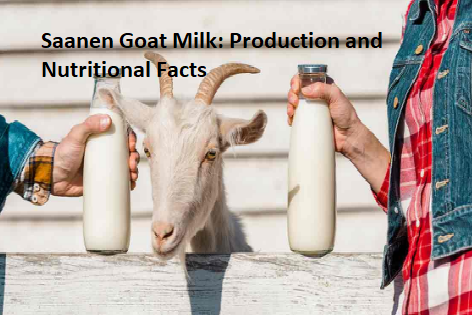
Saanen goat milk is widely recognized as the gold standard in the dairy industry due to the high volume and consistent quality provided by this specific breed. Originating from the Saanen Valley in Switzerland, these goats are the most popular dairy breed globally, prized for their calm temperament and exceptional output.
Whether you are a small-scale farmer looking to optimize your herd or a consumer interested in the nutritional profile of this product, understanding the specific characteristics of this milk is essential. By exploring the production metrics and health benefits associated with Saanen goat milk, you can better appreciate why this breed is frequently referred to as the queen of the dairy goats.
Production Capabilities and Daily Yields
The primary reason farmers choose the Saanen breed is its staggering ability to produce a high volume of milk. On average, a healthy, well-managed Saanen goat produces between 3 to 4 liters (about 0.8 to 1 gallon) of milk per day during her peak lactation period.
Some high-performing individuals have been recorded producing up to 5 liters daily under optimal conditions and nutrition. This consistent output makes the Saanen a top choice for commercial dairy operations that rely on steady, predictable supply chains.
The lactation cycle for these animals is also longer than that of many other breeds. While many dairy goats might begin to taper off after six or seven months, a Saanen can often maintain high production levels for up to 10 months without significant drops.
This endurance means that dairy farmers experience fewer “gaps” in their production schedule, ensuring that fresh Saanen goat milk remains available for longer stretches of time. It is important to note that these figures are heavily dependent on diet, housing quality, and the overall stress levels of the herd.
Nutritional Composition and Flavor Profile
Many consumers are surprised by the mild flavor associated with Saanen goat milk compared to other breeds. Because Saanen milk typically has a lower butterfat content—usually ranging between 3.0% and 3.5%—it lacks the strong, “goaty” tang often associated with high-fat breeds like the Nubian.
This makes it an ideal choice for those who are sensitive to the pungent taste of traditional goat dairy products. It is sweet, clean, and often indistinguishable from cow’s milk in blind taste tests.
Regarding human nutrition, the milk is an excellent source of essential minerals and proteins. It is particularly rich in calcium, phosphorus, and vitamin A, which support bone health and immune function.
The fat globules in this milk are smaller than those found in cow’s milk, which many researchers believe makes it easier for the human body to digest. For individuals with mild sensitivities to cow’s milk proteins, this dairy source often serves as a gentler, more accessible alternative.
Comparing Dairy Goat Breeds
When evaluating different breeds, the Saanen stands out as the clear leader for raw volume, though other breeds may offer different benefits like higher fat or protein percentages. The following table provides a general comparison of how Saanen metrics stack up against common alternatives in a standard small-farm setting.
| Breed | Average Daily Yield (Liters) | Butterfat Content (%) |
|---|---|---|
| Saanen | 3.5 – 4.5 | 3.0 – 3.5% |
| Nubian | 2.0 – 3.0 | 4.5 – 5.0% |
| Alpine | 2.5 – 3.5 | 3.3 – 3.5% |
| Toggenburg | 2.0 – 3.0 | 3.0 – 3.2% |
As the table demonstrates, if your primary goal is maximizing total volume, the Saanen is the undisputed champion. However, if you are looking to create artisanal cheeses that require a higher fat concentration for texture and flavor development, you might find that blending Saanen milk with a richer breed’s output provides the perfect balance. Most large-scale operations prioritize the Saanen because the higher volume allows for a lower cost per liter, which is critical for profitability.
Factors Influencing Milk Quality
The quality of the final product starts long before the milking machine is attached. A high-quality output requires a carefully balanced diet consisting of high-quality forage, supplemental grains, and consistent access to fresh, clean water.
If a Saanen goat is fed low-quality hay or is allowed to graze on pastures that are sparse or contaminated, the flavor and volume of her milk will suffer immediately. Stress is another significant factor that can cause a dramatic, temporary drop in production.
Environmental management is just as important as nutritional management. Saanen goats are known for being sensitive to extreme heat; they are happiest in temperate climates and require plenty of shade during the summer.
Heat stress is a known culprit for a decline in both the volume and the butterfat percentage of the milk. Providing fans, misters, and well-ventilated housing ensures the goats stay comfortable, which directly correlates to the quantity of milk you collect at the end of the day.
Health and Hygiene Standards
Maintaining high hygiene standards is non-negotiable when handling milk for human consumption. Every step of the milking process, from the initial cleaning of the teats to the final filtration, must be performed in a sterile environment to prevent bacterial contamination.
Because Saanen goat milk is highly perishable, it must be cooled to below 4°C (40°F) immediately after collection. Rapid cooling inhibits the growth of bacteria and preserves the delicate, sweet flavor of the raw product.
Regular testing of the herd for common diseases like Caprine Arthritis Encephalitis (CAE) and Caseous Lymphadenitis (CL) is also vital for the health of your operation. Not only do these diseases impact the health of the individual animal, but they can also affect overall milk quality and yield.
Many professional breeders follow guidelines established by the American Dairy Goat Association to ensure their animals meet rigorous health standards. By adhering to these protocols, you protect your investment and ensure that the product you are selling or consuming is safe.
Common Uses for the Product
Because of its mild flavor and high volume, Saanen goat milk is exceptionally versatile in the kitchen. It is a favorite among home cheesemakers because it behaves predictably during the curdling process.
Whether you are making fresh chèvre, feta, or even aging a harder tomme, the consistent fat-to-protein ratio of the milk allows for repeatable results. It is also a popular choice for making yogurt and kefir, as the smaller fat globules result in a particularly smooth, creamy texture.
Beyond cheese and yogurt, many people use this milk for soap and lotion production. The naturally occurring alpha-hydroxy acids in the milk are known for their skin-soothing properties, making it a premium ingredient for handmade cosmetics.
Because the milk is so abundant from a single Saanen, many small-scale farmers find that they have a surplus, leading them to diversify into value-added products. This diversification is often the key to making a small dairy farm financially sustainable.
Essential Equipment for Small-Scale Dairying
If you are just starting out with your first Saanen, you do not need an industrial-grade factory to get started. You do, however, need a few specific pieces of equipment to ensure the milk remains safe and high-quality.
A stainless steel milking pail is the industry standard because it is easy to sanitize and does not harbor bacteria like plastic containers. You will also need a fine-mesh filter to remove any debris that might have fallen into the bucket during the milking process.
* Stainless steel pails: Essential for hygiene and ease of cleaning.
* Milk filters: Necessary for removing particulate matter immediately after milking.
* Digital thermometer: Crucial for monitoring cooling temperatures.
* Pasteurizer: Recommended if you are selling to the public or have concerns about raw milk safety.
* Storage containers: Food-grade glass or high-quality plastic jars for refrigeration.
Investing in these basics early on will save you a significant amount of time and frustration later. Keeping your equipment organized and stored in a clean, dry place is just as important as the cleaning process itself. By treating your milking area like a professional space, you ensure that the Saanen goat milk you produce remains the high-quality product it is meant to be.
Frequently Asked Questions
Are Saanen goats truly the best for milk?
Yes, they are widely considered the “queen of milk” because they produce the highest volume of any dairy goat breed. While other breeds may have higher fat percentages, the Saanen’s sheer output makes them the most efficient choice for large-scale production and consistent daily supply.
What does Saanen goat milk taste like?
It is surprisingly mild and sweet, lacking the strong, pungent “goaty” flavor associated with other breeds. Most people find it very similar to cow’s milk, making it a great option for those who want the benefits of goat milk without the intense flavor profile.
How much milk does a Saanen produce per year?
A well-managed Saanen can produce between 800 and 1,200 liters in a single lactation cycle. This figure depends heavily on the quality of the feed, the genetics of the specific goat, and the management practices of the farm.
Is Saanen milk easier to digest than cow’s milk?
Many people find it easier to digest because the fat globules are smaller and the protein structure is different from that of cow’s milk. While it still contains lactose, those with mild sensitivities to cow’s milk proteins often find that goat milk is a more tolerable alternative.
Do I need to pasteurize the milk?
Whether you pasteurize depends on your personal health preferences and local regulations. Raw milk contains beneficial enzymes, but pasteurization is the safest way to eliminate potential pathogens if you are selling the product or have concerns about foodborne illness.
Final Thoughts
The decision to work with Saanen goats often comes down to their unmatched efficiency and the quality of their milk. By focusing on proper nutrition, animal welfare, and rigorous hygiene standards, you can maximize your daily yield and ensure the product remains at its peak. The mild flavor profile makes it a favorite for both direct consumption and artisanal processing, offering a unique opportunity for those interested in small-scale dairy.
Whether you are aiming for high-volume production or simply looking for a reliable source of healthy dairy for your family, the Saanen remains the industry benchmark. Engaging with local agricultural extension services or breed clubs can provide you with the specific insights needed to succeed in your own dairy journey. Consistent care and attention to the details discussed here will ensure your success with Saanen goat milk for years to come.
