

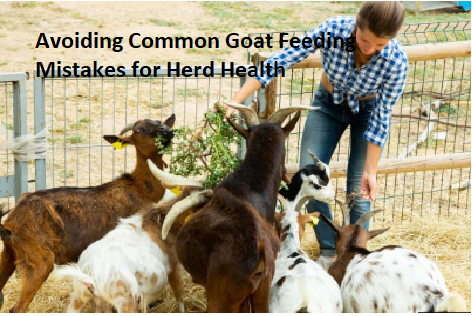
Managing a healthy herd requires understanding that goat feeding mistakes often stem from treating these animals like small cows or sheep. Goats are browsers, not grazers, meaning they prefer shrubs, woody plants, and weeds over lush, manicured grass. Failing to account for this biological preference leads to nutritional imbalances and long-term health decline.
By identifying the specific errors in diet and supplementation, you can significantly improve the longevity and productivity of your animals. This article explores the most frequent nutritional oversights and provides actionable strategies to ensure your goats receive the precise balance of minerals, forage, and energy they require to thrive in various environments.
The most frequent error in goat husbandry is the assumption that pasture quality alone sustains a lactating or growing animal. Goats require a high-fiber, diverse diet that mimics their natural browsing behavior in the wild.
When you rely solely on a single type of grass, you ignore their physiological need for secondary plant compounds found in brush and broadleaf weeds. Relying exclusively on pasture without assessing the specific nutritional density often leads to protein deficiencies that stall growth.
Another major issue involves the indiscriminate use of grain. Many owners feed high-energy concentrates to goats that are not in peak production or heavy work. This practice frequently results in rumen acidosis, a dangerous condition where the pH levels in the stomach drop too low.
Overfeeding grain is a leading cause of metabolic issues in backyard herds. You should view grain as a supplement, not the primary foundation of the daily intake.
The Role of Forage and Fiber
High-quality forage should always constitute at least 75% of a goat’s diet. If you are feeding low-quality hay that is mostly stems or moldy, you are essentially starving the animal despite them having a full belly.
Goats are notorious for being picky eaters, often wasting a significant portion of hay if it is not presented in a clean, elevated feeder. Using the ground as a feeding surface is a significant mistake, as it exposes the feed to parasite larvae and fecal contamination.
Mineral Deficiencies and Toxicity
Copper is perhaps the most debated and misunderstood element in goat nutrition. While sheep are highly sensitive to copper, goats require it in specific, consistent amounts to maintain coat health and immune function.
A common error involves providing a generic mineral block intended for cattle or sheep, which often lacks the necessary copper levels for goats. Conversely, providing too much of a non-specific supplement can lead to toxicity, which is equally fatal.
You must utilize a balanced, goat-specific loose mineral mix rather than compressed blocks. Goats often struggle to get enough volume from a hard block, leading to frustration and under-consumption.
Always ensure the mineral station is kept dry and free from debris. If the minerals become wet, they clump and lose their palatability, causing the animals to avoid them entirely.
| Nutrient Category | Primary Function | Common Deficiency Symptom |
|---|---|---|
| Protein | Muscle growth & milk | Slow growth rates |
| Copper | Immune & coat health | “Fish tail” hair loss |
| Selenium | Muscular function | White muscle disease |
| Calcium | Bone development | Weakened skeletal structure |
Water Quality and Consumption
Water is the most important nutrient, yet it is frequently the most neglected aspect of herd management. A goat will significantly reduce its feed intake if the water supply is stagnant, dirty, or unpalatable.
Many owners fail to realize that goats are incredibly sensitive to the taste of their water. If you have algae growth or sediment in your troughs, the goats will drink less, leading to a higher risk of urinary calculi and impaction.
Cleaning troughs at least once a week is a non-negotiable task. During the summer, water temperature can rise, which discourages intake, while in winter, freezing temperatures can prevent them from drinking enough to digest dry forage.
Installing a simple tank heater or scrubbing the basin frequently can solve these issues. Always provide fresh, clean water at a height that prevents contamination from manure.
The Dangers of Sudden Diet Changes
The rumen is a delicate ecosystem of bacteria and protozoa that adapt to specific types of feed. When you switch feed brands or introduce a high-energy source suddenly, you risk causing severe digestive upset or enterotoxemia.
These sudden shifts kill off the beneficial bacteria that process fiber, leading to gas buildup and potential death. Any change in diet must be implemented over a period of at least seven to ten days.
Start by mixing 25% of the new feed with 75% of the old feed for the first few days. Gradually increase the ratio until the transition is complete.
This slow adjustment allows the rumen flora to adapt to the new chemical composition without causing a metabolic crisis. Keep a close eye on fecal consistency during this time, as loose stools are often the first indicator that the transition is moving too quickly.
Understanding Body Condition Scoring
Many owners struggle to objectively assess the weight of their animals due to the thick winter coat. Relying on visual observation alone is a significant mistake in goat feeding because it masks the true amount of fat or muscle covering the spine.
You must practice hands-on body condition scoring. By feeling the loin and the brisket, you can determine if your feeding program is actually working or if you are simply wasting expensive grain.
A healthy goat should have a smooth covering over the spine, not sharp, bony protrusions. If you can easily grasp the transverse processes of the vertebrae, your goat is likely underweight.
If you cannot feel the bones at all, the animal is obese, which leads to reproductive failures and joint stress. Aim for a moderate score where you can feel the bone with light pressure but it is cushioned by a layer of tissue.
Common Dietary Hazards and Toxic Plants
Feeding kitchen scraps or lawn clippings is a hazardous practice that many novices overlook. While goats enjoy variety, many common household plants are highly toxic to them.
Rhododendrons, azaleas, and lilies can cause rapid organ failure if ingested in even small quantities. Furthermore, lawn clippings that have been treated with herbicides or pesticides can cause chemical poisoning.
* Avoid feeding wilted leaves from stone fruit trees like cherry or plum, as they contain cyanide.
* Never feed moldy bread or old produce, as mycotoxins can cause severe neurological damage.
* Keep goats away from areas where ornamental shrubs are accessible, as these are often the primary cause of sudden death.
* Ensure that any hay you purchase is free from toxic weeds like nightshade or jimsonweed.
For more information on identifying toxic plants, you can visit the Merck Veterinary Manual, which provides comprehensive resources on animal health and toxicity.
Supplementation and Baking Soda
The use of baking soda is a frequent point of confusion among goat owners. Many provide it as a free-choice supplement, believing it prevents bloat in all situations.
While it can help neutralize excess acid in the rumen, it is not a cure-all for poor feeding practices. If your goats are constantly consuming large quantities of baking soda, it is an indicator that your primary diet is too high in concentrates and too low in long-stem fiber.
Use baking soda as a tool, not a crutch. If you find your goats are eating more than a few ounces a week, re-evaluate your grain-to-forage ratio immediately.
The goal should be a diet so well-balanced that the goats rarely feel the need to seek out bicarbonate. Excessive consumption of baking soda can also interfere with the absorption of other vital minerals, further complicating the nutritional profile of your herd.
Balancing Energy for Different Life Stages
Feeding a lactating doe the same ration as a dry buck is a common oversight that leads to metabolic imbalance. Lactating does have massive energy requirements to produce milk, whereas a dry buck needs only a maintenance diet.
If you feed the entire herd the same high-energy ration, your bucks will become obese and your does may still struggle to maintain their weight. Separate your herd into management groups based on their physiological stage whenever possible.
Growing kids also have unique needs that differ from mature adults. They require higher protein levels for skeletal and muscular development.
Providing them with high-quality alfalfa or a specialized kid grower pellet is essential for long-term health. Failing to provide this extra protein during the first six months of life often results in stunted growth that the animal will never fully recover from, regardless of how well you feed them later.
Frequently Asked Questions
What is the primary indicator of a nutritional problem?
The most reliable indicator is the animal’s coat health and fecal consistency. A dull, brittle, or “fish-tailed” coat often suggests a copper deficiency or parasite load, while chronic diarrhea or scours usually points to a significant dietary error, such as too much grain or moldy feed.
How often should I feed my goats?
Goats prefer to graze or browse throughout the day, so it is best to provide access to high-quality hay at all times. If you are feeding grain, split the total daily amount into two feedings, morning and evening, to keep the rumen environment stable and avoid overloading the digestive system.
Why do goats need access to loose minerals instead of blocks?
Goats have rough, raspy tongues that are not designed to wear down hard, compressed salt blocks. They often do not consume enough of a block to meet their daily mineral requirements, whereas a loose mineral mix allows them to consume the necessary amount quickly and efficiently.
Is it safe to feed goats kitchen scraps?
It is generally best to avoid kitchen scraps entirely. Many common vegetables like onions and garlic can be toxic to goats in large amounts, and the risk of mold or contamination from processed human foods far outweighs any potential nutritional benefit they might provide.
How do I know if my goat is too thin?
Use the body condition scoring method by feeling the spine and ribs. If the spine feels like a sharp ridge with no padding, your goat is likely underweight and needs more high-quality protein and forage to support its metabolic needs.
Conclusion
Success in goat husbandry depends on precision and the ability to avoid common nutritional pitfalls. By prioritizing high-fiber forage, maintaining clean water, and carefully managing mineral intake, you create a foundation that supports long-term health. Avoiding the most frequent goat feeding mistakes requires consistent observation and a willingness to adjust your strategy based on the specific needs of each animal.
Remember that these animals are browsers, and their digestive systems thrive on variety and consistency rather than high-energy shortcuts. If you focus on these fundamental aspects of nutrition, you will find that your herd is more productive, resilient, and easier to manage over the long term. Start by evaluating your current hay quality and mineral access, then make small, intentional changes to see immediate improvements in your animals’ overall condition.
