

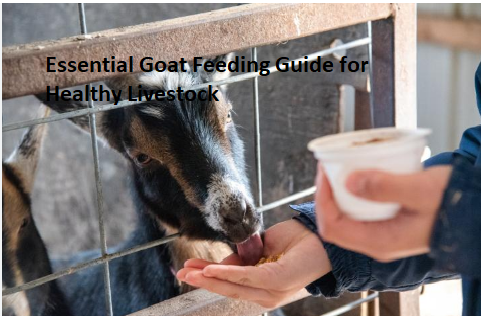
Proper nutrition is the foundation of a productive herd, and following a reliable goat feeding guide ensures your animals reach their full potential. Whether you are raising goats for dairy, fiber, or meat, understanding their specific digestive needs is critical to preventing common metabolic issues.
This article provides actionable insights into balancing forage, concentrates, and minerals to keep your goats thriving throughout the year. By mastering these dietary requirements, you can optimize growth rates, improve milk yield, and significantly reduce veterinary costs associated with nutritional deficiencies or overfeeding.
Primary Nutritional Requirements
Goats are ruminants, which means they rely on a complex four-compartment stomach system to break down fibrous plant material. Their primary source of energy should always be high-quality forage, such as pasture grass, weeds, or hay.
A healthy adult goat typically consumes between 2% and 4% of its body weight in dry matter intake every single day. If you are managing a herd, calculating this based on total body weight helps prevent both undernourishment and the waste of expensive feed.
Protein is the second most critical component, especially for growing kids and lactating does. Forage alone may not provide enough crude protein during winter months or periods of high production.
You should aim for a diet that provides 10% to 14% crude protein depending on the animal’s life stage. Legume hays like alfalfa are excellent sources of protein, but they must be balanced with grass hay to avoid digestive upset.
Energy levels must be monitored closely to maintain proper body condition scores. When goats do not receive enough calories, they mobilize their own fat stores, which can lead to ketosis, particularly in late pregnancy.
Conversely, excessive energy intake leads to obesity, which can cause fertility issues and joint problems. Always monitor the ribs and spine of your goats to ensure they are maintaining a healthy weight.
The Role of Forage and Roughage
Forage is not merely a filler; it is the essential fuel for a goat’s rumen microbes. These microbes synthesize B vitamins and protein, which the goat then absorbs for its own use.
Providing access to diverse plants, including woody shrubs and broadleaf weeds, mimics a goat’s natural browsing behavior. This variety helps maintain a healthy rumen pH and prevents the development of acidosis.
Hay quality is often the deciding factor in winter health outcomes. You should prioritize hay that is free from mold, dust, and excessive weeds. Alfalfa hay is a premium choice for lactating does due to its high calcium and protein content. However, for dry does or bucks, a mixture of grass hay is often more appropriate to prevent urinary calculi.
Always ensure your hay is stored in a dry environment to prevent nutrient degradation. Wet or moldy hay can harbor mycotoxins that cause severe illness in livestock.
If you are purchasing hay, inspect a few bales from the middle of the stack to ensure consistent quality. Proper storage keeps the nutritional value high and prevents unnecessary waste.
Managing Concentrates and Grains
Grains are energy-dense supplements that should be used sparingly in a well-managed program. Many hobbyists overfeed grain, which leads to significant health problems like bloat or polioencephalomalacia.
Generally, you should only provide concentrates to animals with high metabolic demands, such as milking does or rapidly growing kids. If your goats are simply maintenance-level pets or brush clearers, they rarely need any grain at all.
When you do introduce grain, do so gradually over several weeks to allow the rumen to adjust. Sudden changes in diet can kill the beneficial bacteria in the stomach, leading to severe illness.
A good rule of thumb is to start with a handful per day and increase slowly to the target amount. Always split the daily ration into two feedings to maintain a steady pH level in the rumen.
Be careful when selecting a commercial feed mix. Many feeds designed for other livestock, such as sheep, contain copper levels that are toxic to goats.
Always verify that the feed is specifically formulated for goats or is a neutral species-safe option. You can find detailed nutritional breakdowns on the Penn State Extension website to guide your selection.
Minerals and Water Intake
Water is arguably the most overlooked nutrient in any feeding program. Goats are notoriously picky about their water and will refuse to drink if it becomes contaminated with manure or algae.
A single goat may drink 1 to 3 gallons of water per day, with higher consumption during hot weather or lactation. Keep troughs scrubbed clean and ensure the water source is always accessible and fresh.
Free-choice minerals are essential for preventing deficiencies that lead to poor coat quality and weak immune systems. Goats require a specific ratio of minerals, particularly calcium and phosphorus, to maintain strong bones and prevent urinary issues in males.
You should provide a high-quality, loose mineral mix designed specifically for goats rather than a salt block. Blocks are often too hard for goats to consume in sufficient quantities to meet their needs.
Monitor your herd for signs of mineral deficiency, such as hair loss, stunted growth, or frequent illness. Many regions have soil-specific deficiencies, such as selenium, which may require additional supplementation through injections or fortified feed.
Consult with a local veterinarian to understand the specific mineral profile of your area. Adjust your mineral strategy based on these regional realities to keep your herd in peak condition.
Life Stage Feeding Strategies
The nutritional needs of a goat change dramatically as it matures. A kid requires high levels of protein and energy to support rapid bone and muscle development.
Once a kid is weaned, transition it slowly to high-quality pasture or hay to ensure steady growth. Avoid over-fattening young stock, as this can affect their future reproductive performance.
Lactating does represent the highest nutritional demand group in your herd. They are essentially producing milk while trying to maintain their own body weight, which requires a significant caloric surplus.
You must provide high-quality forage and supplemental protein to keep them from “milking off their backs.” If they lose too much weight, their milk production will drop, and their next breeding cycle may be compromised.
Dry does and bucks have lower requirements but still need consistent nutrition to maintain health. Bucks, in particular, need to be kept at a moderate weight to ensure they remain active and fertile. Use the following table to understand the general daily intake expectations for different goat classes.
| Goat Class | Primary Diet Focus | Grain Requirement |
|---|---|---|
| Growing Kid | High Protein / Creep Feed | Moderate |
| Lactating Doe | High Energy / Alfalfa | High |
| Dry Doe | Quality Pasture / Hay | Minimal |
| Buck | Controlled Forage | Low/None |
Common Feeding Mistakes to Avoid
One of the most frequent errors is allowing goats to graze on lush, wet pasture for too long in the spring. This can lead to bloat, a condition where gas becomes trapped in the rumen.
If you have high-quality spring grass, limit grazing time to an hour or two initially. Gradually increase this time as the goats’ digestive systems adapt to the high moisture and sugar content.
Another major mistake is the improper handling of treats. Many owners feed bread, table scraps, or excessive fruit, which can disrupt the delicate balance of the rumen.
While a small piece of apple or carrot is generally fine, it should never replace their primary diet. Treats can lead to picky eating habits, where the goat ignores its healthy hay in hopes of getting more snacks.
Finally, do not ignore the importance of parasite management through nutrition. A well-fed goat is much more resilient to internal parasites than one with a weak immune system.
While nutrition cannot replace deworming, it is a vital component of integrated pest management. Ensure your goats are not grazing too close to the ground, as this is where the highest concentration of worm larvae resides.
Monitoring and Adjusting the Diet
Regular observation is the best way to determine if your feeding program is working. Check your goats’ eyes for signs of anemia, which can indicate parasite loads or nutritional deficiencies.
Look at their coats; a shiny, soft coat usually indicates a balanced diet, while a dry, brittle coat often points to a lack of minerals or protein. If you notice a sudden drop in weight, re-evaluate your forage quality immediately.
Keep a log of your feed costs and the performance of your goats. If you are raising goats for milk, track the total volume produced against the amount of feed consumed.
This helps you calculate your return on investment and identify which goats are the most efficient converters of feed into product. You might find that some goats require less grain to maintain the same level of production as others.
Periodic body condition scoring (BCS) should be part of your monthly routine. Use a scale of 1 to 5, where 1 is emaciated and 5 is obese.
Most goats should fall in the 2.5 to 3.5 range depending on their current status. Use this score to adjust your feeding amounts up or down as needed to keep the herd in the target zone.
Frequently Asked Questions
How much grain should I feed my goat daily?
Most goats do not actually need grain if they have access to excellent forage. If you must supplement, a common starting point is 0.5 to 1 pound per day for a mature, lactating doe. Always monitor the animal’s weight and adjust accordingly; if they are gaining too much fat, reduce the grain immediately.
What are the signs that a goat is overfed?
An overfed goat will often show excessive fat deposits around the tail head and ribs. You may also notice lethargy, reduced interest in foraging, or physical symptoms like bloat and laminitis. Obesity can be just as detrimental as malnutrition, leading to long-term health complications.
Can I feed my goats the same hay as horses?
Yes, goats can eat horse-quality hay, provided it is clean and free of mold. However, ensure the hay is not exclusively coastal Bermuda if your area is prone to selenium deficiencies, as it may not meet all their needs. Always inspect the hay for debris or poisonous weeds before feeding.
Why do goats stop eating their feed?
If a goat suddenly stops eating, it is often a sign of a medical emergency like rumen stasis or severe illness. Check for a fever, look for signs of pain, and ensure they have access to clean water. If the behavior persists for more than 24 hours, contact a veterinarian immediately.
What foods are toxic to goats?
Goats should never be fed nightshade plants, azaleas, rhododendrons, or wilted cherry leaves. While they are known for eating almost anything, they are actually quite sensitive to certain toxins. Keep your pasture clear of these plants and ensure they don’t have access to garden waste containing these items.
Summary and Best Practices
Implementing a consistent and balanced approach to nutrition is the best way to ensure the longevity of your herd. By prioritizing high-quality forage, providing appropriate mineral supplements, and limiting grain intake to only what is necessary, you create a stable environment for your goats. Remember that every animal is different, and you must be willing to adjust your strategy based on individual body condition and production levels.
Managing your livestock’s health through a proper goat feeding guide will ultimately save you time and money. Keep your water sources pristine, monitor your hay quality, and stay observant of your animals’ daily behaviors.
If you remain proactive and attentive to their dietary needs, you will enjoy a healthy, productive, and thriving herd for many years to come. Start by assessing your current forage quality and adjusting your mineral program today to see immediate improvements.
