

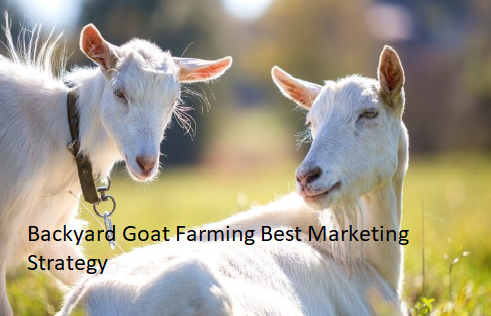
Developing a successful backyard goat farming best marketing strategy requires shifting focus from simple production to building a recognizable local brand. Many small-scale producers struggle because they treat their animals as commodities rather than specialized assets with unique stories. By identifying your target demographic early, you can avoid the common trap of competing on price with large-scale industrial operations.
This approach ensures your efforts translate into sustainable profit margins while maintaining the lifestyle benefits of small-scale agriculture. Whether you are selling raw milk, soap, or meat, the core of your success lies in how effectively you communicate the value of your specific production methods to your neighbors and local community.
Direct Sales and Community Engagement
The most effective backyard goat farming best marketing strategy centers on direct-to-consumer sales. When you bypass middle-men and auctions, you retain the full retail value of every product sold.
Local farmers’ markets serve as the primary testing ground for your pricing models and product packaging. You should aim to capture at least 40% to 60% of your total revenue through these face-to-face interactions.
Building a recurring customer base requires more than just showing up with products. You must collect contact information, such as email addresses or phone numbers, to notify regulars about new batches of cheese or seasonal meat availability.
A simple sign-up sheet at your stall can grow your mailing list by 10 to 20 names every weekend. This list becomes your most valuable asset when you have a surplus of goods that need to move quickly.
Personal stories about your herd create a connection that grocery store items cannot replicate. People want to know if the goats are pasture-raised or if they have specific names and personalities.
When you share details about your daily management, you justify the premium prices that boutique goat products command. This transparency is the cornerstone of a successful small-scale agricultural business model.
Diversifying Your Revenue Streams
Relying on a single product often leads to financial instability in small-scale farming. A well-rounded backyard goat farming best marketing strategy involves diversifying your output to balance seasonal demand. While milk might be your primary driver, secondary products often carry higher profit margins with longer shelf lives.
Consider the following list of common revenue sources for small-scale goat operations:
-
- Raw goat milk sales (where legally permitted under local cottage food laws)
-
- Artisan goat milk soaps and lotions
-
- Value-added dairy products like aged cheeses or yogurt
-
- Meat sales, often sold by the cut or by the whole animal
-
- Manure and compost, which can be sold to local organic gardeners
-
- Educational workshops or farm tours for families
Each of these items appeals to a different segment of your customer base. A customer who buys soap might eventually become interested in purchasing meat or dairy once they trust your brand.
You should evaluate your production costs for each item to ensure your time investment aligns with the retail price. Always track your input costs, including feed, veterinary care, and packaging, to calculate your true break-even point for every product category.
Pricing Strategies for Small-Scale Producers
Understanding how to price your goods is essential for long-term viability. Many beginners underprice their products, which leads to burnout and a perception of lower quality. Researching the United States Department of Agriculture market reports can provide a baseline for regional commodity pricing, but your boutique products should always command a premium.
You should aim to price your goods based on the “value-added” aspect of your labor. If you are selling goat milk soap, for example, your price should reflect the cost of oils, essential oils, and your own labor hours.
Do not attempt to compete with mass-produced items found in supermarkets. Instead, focus on the unique benefits of goat milk, such as its moisturizing properties or local provenance.
| Product Category | Estimated Margin | Shelf Life |
|---|---|---|
| Fresh Raw Milk | Moderate | Short (3-5 days) |
| Artisan Soap | High | Indefinite |
| Aged Cheese | High | Long (Months) |
| Meat Cuts | Variable | Long (Frozen) |
Use the table above to visualize how different products impact your cash flow and storage requirements. High-margin items like soap allow you to build a financial cushion during months when milk production might be lower.
This balance is critical for maintaining a steady income throughout the year. Always review your pricing annually to account for inflation in feed and veterinary costs.
Leveraging Social Media Effectively
Digital presence acts as a 24/7 storefront for your farm. You do not need a professional marketing team to build a following; you only need consistency and authenticity.
Focus your efforts on platforms like Instagram or Facebook, where visual storytelling thrives. Post high-quality photos of your goats, the milking process, and the final products you offer.
Engage with local community groups to find your initial customers. Posting in local “buy-sell-trade” groups or neighborhood pages can drive immediate traffic to your farm gate.
Keep your posts informative rather than purely promotional. Explain why your goats are fed non-GMO grain or how your rotational grazing system improves soil health.
These details distinguish your operation from larger, impersonal farms. Remember to respond to every comment and message promptly.
Customer service is just as important in the digital space as it is at the farmers’ market. A positive interaction online often leads to a long-term, loyal customer who will recommend your farm to their friends.
The Importance of Professional Branding
Your brand identity communicates the level of care you put into your farming practices. Even a small backyard operation benefits from a cohesive visual style.
Use consistent labels, a simple logo, and a unified color scheme across all your packaging. This professional touch justifies a higher price point and makes your products stand out on crowded shelves.
Think about the “unboxing” experience of your products. If you sell soap, use high-quality paper and a printed label that includes your farm’s name and contact information.
If you sell meat, ensure the packaging is vacuum-sealed and clearly labeled with the cut and weight. These small details signal to the buyer that you are a serious producer who values quality control.
Building a brand is about consistency over time. If your labels look different every week, customers will struggle to remember your farm.
Maintain a simple, clean aesthetic that reflects the rustic yet professional nature of your work. Your brand is the promise you make to your customers about the quality of the food or goods they are purchasing.
Navigating Legal and Regulatory Requirements
Marketing your products effectively requires full compliance with local and state laws. Before you sell anything, research the specific regulations for selling goat products in your jurisdiction.
Some states have strict “raw milk” laws, while others allow for direct sales from the farm. Ignoring these regulations can lead to fines or the permanent closure of your operation.
Contact your local department of agriculture or extension office to get a clear list of requirements. They can provide information on necessary permits, facility inspections, and labeling guidelines.
Being transparent about your compliance also builds trust with your customers. You can display your certifications or permits at your market stall to reassure buyers of the safety of your products.
Keep meticulous records of your sales and production. This is not only for tax purposes but also for your own business analysis.
You should know exactly which products are moving, which ones are sitting on the shelf, and which ones generate the most profit. Data-driven decisions are the hallmark of a successful farm, regardless of its size.
Developing Strategic Partnerships
Collaboration can significantly amplify your marketing reach. Partnering with other local businesses allows you to tap into existing customer bases that you might not reach on your own.
For example, a local bakery might be interested in using your milk or goat cheese in their products. This provides you with a consistent bulk buyer while giving the bakery a unique, locally-sourced ingredient to market.
You might also consider cross-promoting with other small-scale farmers who sell complementary products. If you sell goat meat, partner with a local vegetable farmer for a “farm-to-table” subscription box.
These partnerships reduce your marketing workload while increasing the visibility of your brand. Always ensure that the businesses you partner with share your values regarding quality and sustainability.
Networking within your local agricultural community also provides access to shared resources. You might find opportunities to share shipping costs, bulk purchase feed, or attend joint events.
These relationships are often informal, but they can be the difference between a struggling operation and a thriving business. Always look for ways to provide value to your partners, making the relationship mutually beneficial.
Managing Seasonal Fluctuations
Backyard goat farming is inherently seasonal, which presents a unique marketing challenge. Milk production usually peaks in the spring and summer, while demand for certain products may shift with the holidays.
Your marketing plan must adapt to these cycles to maintain profitability. During peak production, focus on selling fresh products or processing them into shelf-stable goods like cheese or soap.
During the off-season, shift your marketing focus to products that are already prepared. This is the time to sell your aged cheeses, soaps, and even meat cuts from animals processed earlier in the year.
Use your email list to inform customers about limited-edition seasonal products. Creating a sense of scarcity or exclusivity can drive sales even when production is low.
Plan your production schedule around your marketing goals. If you know you have a high demand for soap during the winter holidays, start your production months in advance.
This proactive approach prevents the “feast or famine” cycle that plagues many small farmers. Keep your customers informed about your production schedule so they know when to expect their favorite items.
Frequently Asked Questions
What is the most profitable product to sell from a backyard goat farm?
Artisan goat milk soap and aged cheeses generally offer the highest profit margins because they are value-added products. Unlike raw milk, which has a very short shelf life and lower retail price, these processed goods can be sold at a significant premium. They also allow for easier shipping and storage, which expands your potential market beyond your immediate neighborhood.
How do I start marketing my goat products without a big budget?
Focus on local, free channels like social media groups and farmers’ markets. Your most important marketing tool is word-of-mouth, which starts with providing high-quality products to your first few customers. Ask satisfied buyers to leave reviews on your Facebook page or share photos of your products. Consistent, high-quality engagement with your local community is far more effective than paid advertising.
Are there specific legal hurdles I need to clear before selling goat milk?
Yes, regulations vary significantly by state and county. You must check with your state’s department of agriculture to understand the specific laws regarding raw milk sales, processing requirements, and labeling. Some areas have “cottage food” laws that make it easier to sell processed goods like soap or cheese, but dairy sales are almost always highly regulated for public safety.
How can I make my goat farm more profitable?
Profitability is achieved by lowering your input costs while increasing the value of your output. Focus on rotational grazing to reduce feed costs and process your own milk into higher-value items rather than selling it raw. Additionally, track your expenses meticulously to identify and eliminate waste, and always price your products based on the time and quality invested.
What is the best way to find my target customers?
Your target customers are likely people who value local, transparent, and sustainable food sources. Visit local farmers’ markets to see what other vendors are selling and who is buying their products. Engage with local health food stores and organic gardening clubs, as these individuals are often the most interested in what you have to offer.
Conclusion
Establishing a successful backyard goat farming best marketing strategy requires a blend of creativity, business discipline, and clear communication. By focusing on direct-to-consumer sales, diversifying your product line, and building a professional brand, you can transform your hobby into a sustainable source of income. Remember that your story and your commitment to quality are your greatest competitive advantages in a market often dominated by impersonal, large-scale production.
Take the time to analyze your local market, understand your customers, and refine your processes based on what actually sells. Start with a few core products, perfect your packaging, and use social media to share the reality of your farm life. By staying consistent and keeping your customers at the center of your strategy, you will build a loyal following that supports your farm for years to come.
