

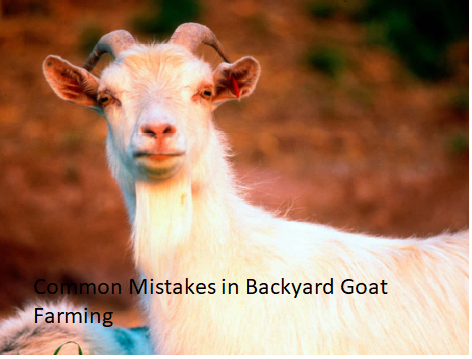
Backyard goat farming common mistakes often stem from a lack of preparation regarding animal behavior and long-term maintenance requirements. Beginners frequently underestimate the time, fencing, and medical needs required to keep a small herd healthy and productive in a residential or semi-rural setting. Understanding these pitfalls early can save you significant frustration and prevent unnecessary veterinary expenses.
By focusing on proper shelter design, nutritional balance, and biosecurity, you can avoid the most frequent errors that lead to herd loss or poor animal welfare. This article explores the essential adjustments needed to ensure your goats thrive in a backyard environment without falling into common traps.
The most critical mistake is failing to provide adequate, escape-proof fencing. Goats are notorious for their intelligence and curiosity, often treating standard farm fences as mere suggestions rather than boundaries. A common error involves using simple chicken wire or loose netting, which goats can easily push through or rip with their horns.
You must invest in heavy-duty woven wire fencing that is at least 48 inches high to keep your animals secure. If you have particularly adventurous breeds, consider adding an electrified strand along the top to deter jumpers. Fencing is the primary asset that dictates the success of your operation, and skimping on material quality almost always results in lost animals or neighborhood disputes.
Underestimating Dietary Requirements
Many new farmers treat goats like lawnmowers, assuming they can survive solely on grass and weeds. While goats are browsers, they require a carefully managed diet to maintain proper rumen health. Relying exclusively on pasture leads to mineral deficiencies, which can cause severe health issues like urinary calculi or reproductive failure. You must supplement their grazing with high-quality hay, especially during winter months when forage availability drops significantly. Always provide a goat-specific loose mineral mix in a weather-protected feeder to ensure they receive essential nutrients like copper and selenium.
Ignoring Parasite Management
Internal parasites represent the leading cause of health decline in small goat herds. Many owners fail to implement a rotational grazing system, allowing larvae to accumulate in the soil and infect the goats repeatedly. Relying on chemical dewormers without performing fecal egg counts leads to widespread drug resistance, rendering common medications ineffective over time. You should consult with your local veterinarian to establish a FAMACHA scoring system, which uses eye membrane color to identify anemic goats needing treatment. This proactive approach prevents the over-use of anthelmintics and helps maintain a resilient, healthy herd.
Neglecting Proper Shelter Design
Goats are extremely susceptible to respiratory issues if their living space lacks proper ventilation or stays damp. A common mistake is converting a small, airtight shed into a barn without installing high-level vents to allow moisture and ammonia to escape. While you want to keep them dry and out of the wind, stagnant air is more dangerous than cold temperatures. Ensure the barn floor remains dry by using deep bedding like wood shavings or straw, which you should clean regularly. Goats will refuse to sleep in wet, soiled bedding, which increases their stress levels and makes them prone to hoof rot.
The Importance of Herd Socialization
Goats are herd animals that experience intense stress when kept in isolation. A frequent error is starting with a single goat, thinking it will be easier to manage or bond with. A lone goat will likely become destructive, loud, and prone to illness due to chronic cortisol elevation. You should always keep at least two goats, though three or more provide a much more stable social structure. Introducing new members to an established herd also requires a strict quarantine period to ensure the newcomer does not bring contagious diseases into your existing group.
Budgeting for Unexpected Veterinary Care
Many backyard farmers fail to account for the reality of emergency medical costs. Unlike a cat or dog, finding a large-animal veterinarian who treats goats can be difficult, and house calls are expensive. You must locate a qualified vet before you bring goats onto your property rather than scrambling during an emergency. Keep a basic medical kit on hand, which should include items like digital thermometers, antiseptic sprays, and electrolytes for dehydration. Neglecting these preparation steps often leads to preventable losses when common health issues arise suddenly.
Comparison of Common Goat Management Costs
| Expense Item | Estimated Annual Cost | Frequency |
|---|---|---|
| Quality Hay | $200 – $400 per goat | Ongoing (Winter/Dry) |
| Loose Minerals | $30 – $50 per herd | Continuous |
| Veterinary Exams | $100 – $300 | As needed/Annual |
| Fencing Repairs | $50 – $150 | Periodic |
Essential Supplies for New Goat Owners
* Heavy-duty wire fencing: Essential for keeping goats in and predators out. * Goat-specific mineral blocks or loose mix: Crucial for preventing nutritional deficiencies. * Hoof trimmers: Necessary for monthly maintenance to prevent foot rot. * Thermometer: The first tool needed to check for fever or infection. * Sturdy feeders and water troughs: Must be elevated to prevent contamination. * Quarantine pen: A separate space to isolate sick animals or newcomers.
Water Quality and Consumption
Goats are incredibly sensitive to the quality of their drinking water. Providing water in dirty buckets or shallow pans often leads to the spread of coccidiosis and other bacterial infections. You must clean troughs at least twice a week and ensure the water source remains free of manure and debris. If the water tastes or smells off, goats will drink less, which can lead to kidney stones and other metabolic complications. Investing in a reliable, easy-to-clean trough system is one of the most effective ways to prevent backyard goat farming common mistakes related to hydration. For more detailed information on animal health guidelines, you can visit the USDA Animal and Plant Health Inspection Service to understand regulatory standards for small ruminants.
Understanding Predator Pressure
Backyard farmers often underestimate the intelligence and reach of local predators. Coyotes, stray dogs, and even neighborhood cats can threaten kids, while larger predators might attack adult goats. You must ensure that your enclosure is secure from digging and climbing, as many predators can squeeze through surprisingly small gaps. Nighttime security is mandatory, and you should always lock your goats in a predator-proof barn or run at sunset. Relying solely on a fence is rarely sufficient in areas with high predator density, where livestock guardian animals or secure housing are necessary.
Common FAQ
Why do my goats keep escaping their enclosure?
Goats are natural explorers and will test any weakness in a fence line. They often escape because their current pasture is overgrazed or because they are bored, so ensure they have enough forage and enrichment. Check your fencing for loose wires or sagging sections that they can push through or climb over.
What is the most frequent cause of goat illness?
Internal parasites, specifically barber pole worms, are the most common health issue in small herds. These parasites thrive in warm, humid conditions and can quickly cause severe anemia in goats. Regular monitoring and strategic pasture rotation are the best defenses against these persistent pests.
Do goats really need baking soda?
Yes, offering free-choice baking soda helps goats buffer their rumen pH. This is particularly important if they have access to grain or legumes that can cause bloat. It is a simple, inexpensive way to prevent digestive distress, but it should never replace proper veterinary care.
How much space does a single goat need?
While specific requirements vary by breed, a general rule is to provide at least 200 square feet of pasture per goat. However, this is the absolute minimum, and more space is always better to reduce parasite loads and social stress. Ensure your barn provides at least 15 square feet of dry, covered space per animal.
Is it okay to keep goats with other livestock?
Mixing species can be risky due to disease transmission. For example, sheep and goats have different copper requirements, and goats can pass certain parasites to other animals. If you must keep them together, ensure that their diet and health management plans are compatible and closely monitored by a professional.
Avoiding backyard goat farming common mistakes requires a shift in mindset from casual pet ownership to proactive livestock management. You must prioritize the physical security of your herd, the nutritional integrity of their diet, and the long-term health of the soil they graze upon. By setting up a robust infrastructure before purchasing your first animals, you reduce the likelihood of crisis and ensure a more rewarding experience.
Remember that each breed has specific needs, and tailoring your approach to your local climate and resources will yield the best results. Take the time to observe your herd daily, as small changes in behavior often signal health issues before they become life-threatening emergencies. Your commitment to these fundamentals will define the success of your project and the quality of life for your goats.
