

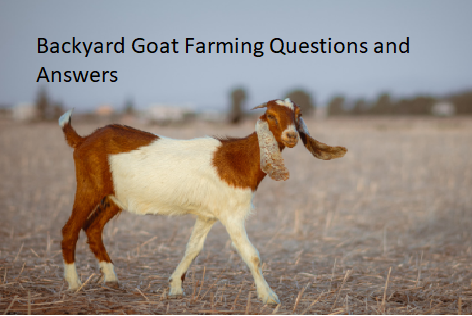
Navigating the complexities of backyard goat farming questions and answers requires a blend of hands-on experience and agricultural literacy. Many aspiring owners jump into the venture without understanding the specific space, nutritional, and legal requirements necessary for maintaining a healthy herd.
Whether you are aiming for milk production, brush control, or companionship, the success of your operation depends on how well you prepare your property and your daily routine. This exploration covers the essential logistics, from local zoning ordinances to the specific dietary needs of different breeds, ensuring you have a clear roadmap for your small-scale livestock journey.
The Core Requirements for Beginner Goat Keepers
The most frequent inquiry in the realm of backyard goat farming questions and answers is about the minimum space required. For a small herd of two to three goats, you should provide at least 250 to 300 square feet of pen space per animal.
This ensures they have enough room to move without becoming territorial or overly stressed. Overcrowding frequently leads to internal parasite outbreaks, which are the leading cause of health issues in small-scale goat operations.
Beyond square footage, your goats need a secure, dry shelter that protects them from wind, rain, and extreme heat. Goats are notoriously picky about moisture; if their bedding becomes damp, they are highly susceptible to respiratory infections like pneumonia.
A simple three-sided shed oriented away from the prevailing wind is usually sufficient for most temperate climates. You must ensure the structure provides at least 15 square feet of interior space per adult goat to allow for comfortable resting.
Fencing is perhaps the single most important investment you will make in your farm’s infrastructure. Goats are master escape artists that can climb, jump, or crawl through gaps that seem far too small for their bodies.
You should install woven-wire fencing, often called “no-climb” fencing, which features small squares that prevent them from getting their heads stuck. Standard barbed wire is ineffective and dangerous for goats, as it often causes skin lacerations and does not physically deter them from pushing through the lines.
Feeding and Nutrition Fundamentals
Goats are ruminants with complex digestive systems that require high-quality forage to function properly. They are browsers rather than grazers, meaning they prefer eating leaves, weeds, and brush over short, manicured lawn grass.
You should provide them with constant access to clean, fresh water, as even a slight drop in intake can cause a significant decline in milk production or overall growth. A mature goat will drink between one and three gallons of water daily depending on the air temperature and their lactation status.
High-quality hay should be the foundation of their diet, especially during the winter months when natural forage is unavailable. Alfalfa is a popular choice for milking does because of its high protein and calcium content, which supports heavy production.
However, you must balance this with grass hay to prevent digestive upsets like bloat or urinary calculi. Always introduce new feed sources gradually over a period of seven to ten days to allow their rumen bacteria to adapt.
Mineral supplementation is a non-negotiable aspect of goat health that many beginners overlook. Unlike sheep, goats require copper in their diet, and you must provide a loose mineral mix specifically formulated for goats.
You can find detailed guidance on these nutritional requirements through the Penn State Extension goat management resources. Never rely on generic livestock blocks, as they often lack the correct ratio of selenium, copper, and salt required to prevent common deficiency diseases.
Legal and Zoning Considerations
Before you purchase your first kid, you must investigate your local municipal ordinances regarding livestock. Many suburban and urban areas have strict “animal units” policies that dictate how many goats you can keep on a specific parcel of land.
Some cities require a minimum lot size, such as a half-acre or one full acre, before granting a permit for farm animals. Violating these codes can result in heavy fines or the forced removal of your herd, so always call your local zoning board first.
Noise is another factor that often triggers complaints from neighbors, particularly if you decide to keep a buck. Male goats in rut emit a strong, pungent odor and are quite vocal during breeding season, which can be disruptive in dense residential areas.
If your primary goal is milk or companionship, it is almost always better to keep a small group of does. Does are generally quieter and more manageable for novice handlers, significantly reducing the likelihood of neighbor disputes.
You should also check for “right-to-farm” laws in your state, which may offer some protection if you are operating in a semi-rural area. However, these laws rarely override restrictive homeowner association (HOA) covenants or specific city ordinances.
Always get your permits in writing and keep them on file. Being a transparent and communicative neighbor goes a long way toward maintaining a peaceful environment for both you and your animals.
Health Management and Disease Prevention
Maintaining a healthy herd is a continuous process of observation and preventative care. The most common health challenge in backyard goat farming is the management of internal parasites, particularly the Haemonchus contortus or “barber pole worm.”
These parasites can quickly overwhelm a goat’s immune system, leading to anemia and death. You should learn how to perform a FAMACHA score, which involves checking the color of the goat’s lower eyelid to assess their anemia levels.
Vaccination protocols are another essential component of your farm’s health strategy. Most goat owners vaccinate against enterotoxemia (overeating disease) and tetanus, often referred to as the “CD&T” vaccine.
These diseases are common in the soil and can be fatal if the animal is not protected. You should work with a local veterinarian who has experience with small ruminants to establish a vaccination schedule that is appropriate for your specific region and farm environment.
Hoof maintenance is a chore that you will need to perform every four to six weeks. Goats that spend most of their time on soft pasture or in dirt pens do not wear down their hooves naturally, leading to overgrown, painful feet.
If left untrimmed, the hooves can develop rot or abscesses that severely limit the goat’s ability to walk. A simple pair of sharp hoof trimmers and a sturdy stand will make this task much easier and more efficient for both you and the goat.
Comparing Goat Breeds for Backyard Setups
Choosing the right breed depends entirely on your goals for the farm. Some breeds are specialized for high milk output, while others are better suited for meat production or as low-maintenance pets. The following table provides a quick look at common breeds and their primary strengths to help you decide which fits your lifestyle.
| Breed | Primary Purpose | Size/Temperament |
|---|---|---|
| Nigerian Dwarf | Milk Production | Small, friendly, high butterfat |
| Nubian | Milk/Show | Large, vocal, high milk volume |
| Boer | Meat | Large, muscular, fast-growing |
| Pygmy | Pet/Brush Control | Small, sturdy, docile |
If you are interested in milking, Nigerian Dwarf goats are an excellent choice for a backyard setting. They produce a high volume of milk relative to their small size, and their milk is known for having a high butterfat content, making it perfect for cheese and yogurt.
Because they are smaller, they require less feed and are easier to handle than the larger dairy breeds like the Alpine or Saanen. Their friendly temperament also makes them a favorite for families with children.
Meat-focused breeds like the Boer are much larger and require significantly more forage and feed to reach market weight. If you are not planning to process your own meat, these breeds might be overkill for a small backyard operation.
Conversely, if your goal is simply to keep your weeds under control, almost any breed will suffice. However, you should still prioritize breeds with sturdy frames and good health records to minimize vet bills and stress.
Essential Tools for the Backyard Farm
Your success as a goat keeper depends on having the right equipment ready before you bring your animals home. A well-stocked kit saves time during emergencies and makes daily chores much more manageable. Here are the must-have items for any new goat owner to keep on hand:
- Hoof trimmers: High-quality, sharp trimmers are necessary to prevent foot rot and lameness.
- Colostrum replacer: Always have this on hand in case of a difficult birth or a mother who rejects her kid.
- Digital thermometer: Goats can hide illness until it is advanced; checking a temperature is the first step in diagnosis.
- Iodine solution: Used for dipping umbilical cords of newborns to prevent infection.
- Feeding pans: Heavy-duty, rubberized pans that are difficult for goats to tip over or crush.
- Electric fencing tester: If using electric netting, you must test the voltage daily to ensure it is hot enough to deter predators.
Beyond these physical tools, you need a record-keeping system. You should track birth dates, vaccination dates, worming schedules, and feed expenses for every goat in your herd.
This data helps you identify which animals are the most productive and which might be costing you more in medical care than they are worth. Many farmers use simple spreadsheets, while others prefer dedicated farm management apps that sync with their mobile devices.
Managing Goat Behavior and Social Structure
Goats are inherently social, herd-oriented animals that suffer from extreme stress when kept in isolation. You should never keep a single goat, as they will become depressed, vocal, and prone to breaking out of their pens.
A minimum of two goats is standard, though three is often better for creating a stable social hierarchy. They rely on their herd mates for security and companionship; without them, their cortisol levels rise, which directly impacts their health and immune function.
Dominance hierarchies are a natural part of goat life, and you will see “head-butting” or pushing as they establish who is in charge. This behavior is usually harmless unless it becomes aggressive enough to prevent a lower-ranking goat from accessing food or water.
If you notice one goat consistently bullying another, you may need to provide multiple feeding stations so the submissive animal can eat in peace. Always monitor your herd for signs of excessive fighting during feeding times.
Training your goats is a rewarding way to improve your bond and make daily management tasks easier. Goats are highly intelligent and can be trained to walk on a lead, come when called, or stand still on a milking stand.
Use positive reinforcement, such as small treats or verbal praise, to encourage desired behaviors. A well-trained goat is much safer to handle when it needs a medical exam or a hoof trim, reducing the risk of injury to both the human and the animal.
Common Seasonal Challenges
Each season brings a new set of responsibilities for the backyard farmer. Winter is the most demanding time, as you must ensure your goats stay warm and well-fed without relying on pasture.
You will likely see a significant increase in your hay consumption, so you must have a reliable storage solution that keeps your feed dry and free from mold. If you live in an area with heavy snow, you also need to clear paths to the shelter so you can reach your animals during storms.
Spring is the time for kidding and the beginning of the grazing season. You must be prepared for the risks associated with birth, including the need for a warm, clean area for new kids.
As the grass begins to grow, you must manage your pastures carefully to prevent overgrazing, which invites parasites. Rotating your goats between smaller, fenced-off paddocks allows the grass to recover and breaks the lifecycle of many common intestinal worms.
Summer brings the challenge of heat stress and increased insect populations. Ensure your goats have access to plenty of shade and, if possible, a fan or misters during the hottest parts of the day.
Flies can be a major nuisance, so keep your pens clean and remove manure regularly to discourage breeding. Providing a high-quality mineral block and fresh, cool water is vital for helping them cope with the heat and maintaining their overall condition throughout the summer months.
FAQ: Addressing Key Concerns
How much does it cost to start a goat farm?
Initial costs vary widely depending on your existing infrastructure, but you should budget between $500 and $1,500 for two goats, basic fencing, and initial supplies. This does not include the cost of building a shed, which can add several hundred dollars if you are starting from scratch with purchased lumber. Always keep a “vet fund” of at least $200 set aside for unexpected medical emergencies.
What is the most difficult part of raising goats?
Managing internal parasites is widely considered the most difficult aspect of keeping goats healthy. Because parasites can develop resistance to standard dewormers, you must rely on pasture management and strict observation to keep the herd thriving. Failing to stay on top of the parasite load is the most common reason new owners struggle to keep their animals alive and productive.
Do goats need a lot of land?
Goats do not need vast acreage, but they do require high-quality forage and enough room to avoid the buildup of manure. While they can thrive on as little as an eighth of an acre if managed correctly with supplemental hay, they are much happier and healthier when they have access to varied terrain. Focus on the quality of the space rather than the total size of the property.
What do I do if a goat gets sick?
If your goat stops eating, stands apart from the herd, or shows signs of labored breathing, you should isolate it immediately and call a veterinarian. Goats are prey animals that instinctively hide their illness, so by the time you notice a problem, the animal is often quite sick. Never wait to see if they “bounce back” on their own; early intervention is the only way to prevent a decline.
Concluding Thoughts
Mastering the essentials of backyard goat farming questions and answers provides the foundation for a productive and enjoyable experience with these intelligent animals. By focusing on the basics—secure fencing, proper nutrition, and vigilant health monitoring—you can avoid many of the common pitfalls that new owners face. Start small, research your local regulations thoroughly, and always prioritize the welfare of your herd as your primary goal.
Success in this venture is not about having the largest operation, but about creating a sustainable, well-managed environment where your goats can thrive. Take the time to observe your animals daily, as they will often tell you exactly what they need if you pay attention to their behavior.
If you have questions about specific breeds or local resources, reach out to your local agricultural extension office or a nearby 4-H club for guidance. Enjoy the process of learning and the unique rewards that come from raising goats in your own backyard.
