

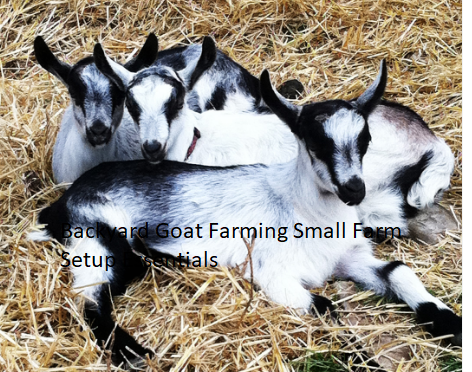
Starting a backyard goat farming small farm setup requires careful planning and a realistic understanding of animal husbandry. Managing a few dairy or meat goats in a residential or semi-rural space offers significant rewards, from fresh milk to natural land management, but it demands consistent labor. You need to focus on local zoning laws, proper shelter design, and nutritional management to keep your herd healthy and your neighbors happy.
This article provides the actionable steps required to launch your operation, covering everything from infrastructure requirements to daily maintenance routines. By following these guidelines, you can establish a productive environment that sustains your animals while ensuring the long-term viability of your small-scale agricultural project.
Key Requirements for Your First Herd
When you begin your backyard goat farming small farm setup, the most immediate requirement is checking your local municipal ordinances. Many suburban and rural zones have strict rules regarding the number of animals allowed per square foot and the distance required between livestock housing and property lines. You should visit your local county clerk’s office or check the municipal website for zoning classifications related to small-scale livestock.
Zoning compliance is the single most common reason new goat owners face legal hurdles. Most jurisdictions require a minimum of 0.25 to 0.5 acres for a small herd of two to three goats to ensure adequate waste management and space.
If your property is smaller than this, you may need to apply for a special use permit or reconsider your stocking density. Never assume your property is zoned for livestock just because you have a large backyard; written confirmation from the zoning board is your best defense against future complaints.
Choosing the Right Goat Breed
Selecting the right breed depends entirely on your primary goal, whether that is milk production, meat, or simple brush clearing. For dairy, breeds like the Nubian or Nigerian Dwarf are popular choices due to their manageable size and high butterfat content in their milk. If your interest lies in meat production, the Boer goat remains the gold standard for growth rates and carcass quality.
For those looking for low-maintenance options, the Kiko or Spanish goat breeds offer superior disease resistance and foraging ability. Nigerian Dwarf goats are particularly well-suited for a backyard goat farming small farm setup because they consume significantly less feed than full-sized dairy breeds.
| Breed Type | Primary Utility | Average Mature Weight |
|---|---|---|
| Nigerian Dwarf | Dairy | 60–80 lbs |
| Nubian | Dairy | 135–175 lbs |
| Boer | Meat | 180–250 lbs |
| Kiko | Meat/Clearing | 120–160 lbs |
Infrastructure and Shelter Design
Goats are notoriously picky about their environment and require a dry, draft-free shelter to remain healthy. A simple three-sided shed facing away from prevailing winds is often sufficient in moderate climates. You must elevate the floor or use a deep-litter bedding system to ensure the goats do not stand in moisture, which leads to hoof rot and respiratory issues.
Fencing is arguably the most critical investment in your setup. Goats are masters of escape and will test the integrity of any barrier you construct. Use woven wire “no-climb” fencing at least 48 inches high to prevent them from pushing through or jumping over.
Avoid using barbed wire, as it can snag their hides and cause severe injury. A sturdy fence not only keeps your goats in but also acts as a primary defense against local predators like coyotes or stray dogs.
Daily Nutrition and Foraging
A common misconception is that goats will eat anything, including tin cans and trash. In reality, goats are browsers, not grazers, meaning they prefer to eat shrubs, tree leaves, and tall weeds rather than short grass. You must provide high-quality hay when natural browse is insufficient to keep their rumen functioning properly.
Mineral supplementation is non-negotiable for goat health. You should provide a loose mineral mix specifically formulated for goats, as sheep minerals often contain copper levels that can be toxic to goats, while cattle minerals may lack necessary trace elements. Keep this mineral feeder protected from rain to prevent clumping and spoilage.
- Fresh water source: Goats require 1 to 3 gallons of clean water daily.
- High-quality grass hay: Provides the bulk of their fiber requirement during winter.
- Free-choice minerals: Essential for preventing metabolic deficiencies.
- Forage access: Allows for natural browsing behaviors and reduces feed costs.
- Shelter maintenance: Cleaning the barn regularly prevents parasite buildup.
Health and Parasite Management
Managing internal parasites is the most difficult aspect of keeping goats in a backyard setting. Because goats are highly susceptible to barber pole worms, you must implement a strict rotational grazing schedule if you have multiple small pastures. This prevents the animals from grazing too close to the ground, where parasite larvae are most concentrated.
Learn how to perform a FAMACHA score on your goats, which involves checking the color of their lower eyelid to assess anemia caused by parasite loads. This technique allows you to treat only the animals that truly need deworming, which helps slow the development of drug-resistant parasites. For more detailed guidance on herd health, consult resources from the USDA Animal and Plant Health Inspection Service to understand local disease reporting requirements.
The Economics of Small-Scale Operations
Is a small goat farm profitable? For most backyard hobbyists, the answer is usually no if you calculate the value of your labor at an hourly rate.
However, you can offset costs by selling surplus milk, goat cheese, or soap, or by renting your goats out for brush clearing services. Renting goats for vegetation management can earn you between $200 and $500 per acre depending on the density of the brush.
If you choose to sell milk, check your state’s cottage food laws regarding raw milk sales. Some states strictly prohibit the sale of unpasteurized milk, while others allow it with specific labeling and testing requirements. Selling meat is often more straightforward, but you must ensure you are using a state-inspected slaughter facility if you intend to sell the product commercially.
Routine Maintenance and Time Management
Owning goats is a 365-day-a-year commitment. You must be prepared to provide care during holidays, vacations, and inclement weather. The daily routine typically involves morning and evening chores, including feeding, milking, and checking for signs of illness or injury.
Preparation for kidding season is another major time sink. You will need a dedicated “kidding pen” that is clean, dry, and separate from the rest of the herd.
Having a basic medical kit on hand—including iodine for umbilical cords, sterile gloves, and colostrum replacer—is vital for ensuring the survival of newborn kids. Expect to spend at least 1–2 hours per day on basic maintenance once your herd is established.
Common Pitfalls for Beginners
One of the biggest mistakes beginners make is buying too many goats at once. Start with two, as goats are herd animals and will become depressed or destructive if kept in total isolation. Once you have mastered the daily care and fencing requirements for two, you can slowly expand your herd based on your available forage and budget.
Another pitfall is underestimating the cost of veterinary care. Finding a large animal veterinarian who treats goats can be difficult in suburban areas, so establish a relationship with one before an emergency occurs. Many rural vets are mobile, but they charge for travel time, which can quickly inflate the cost of a simple routine check-up.
Frequently Asked Questions
How many acres do you really need for a small goat farm?
You can comfortably keep two to three miniature goats on as little as 0.25 acres if you supplement their diet with hay. For larger breeds, aim for at least 0.5 to 1 acre to allow for proper rotation and to prevent the land from becoming a mud pit.
What is the most common health issue in backyard goats?
Internal parasites, particularly stomach worms, are the most frequent health challenge. Regular monitoring of FAMACHA scores and fecal testing are the best ways to manage this issue before it becomes a life-threatening problem.
Do goats need a companion if I only want one?
Goats are strictly herd animals and should never be kept alone. A single goat will experience high stress, which lowers its immune system and leads to behavioral issues like constant bleating or escaping.
How long does it take for a small herd to clear an acre of brush?
Ten goats can clear a moderately overgrown acre of brush in about 7 to 10 days. The speed depends entirely on the type of vegetation, as goats prefer woody plants and vines over thick, fibrous grasses.
Is it expensive to start a backyard goat farm?
Initial setup costs, including fencing, shelter, and the purchase of two healthy goats, typically range from $1,000 to $3,000. Ongoing monthly costs for feed, hay, and minerals usually average between $50 and $150 depending on your location and access to local suppliers.
Closing Thoughts on Sustainable Goat Keeping
Establishing a successful backyard goat farming small farm setup is a journey that balances agricultural productivity with the realities of modern land management. By prioritizing high-quality fencing, consistent parasite monitoring, and a realistic assessment of your space, you can maintain a healthy herd that brings value to your property. Take the time to build strong relationships with local suppliers and veterinarians early in the process.
This preparation will pay off when you encounter the inevitable challenges of livestock management. Whether you are aiming to produce your own dairy products or simply want to manage your landscape naturally, goats offer a unique and rewarding experience. Start small, stay observant, and always put the welfare of your animals at the forefront of your management decisions.
