

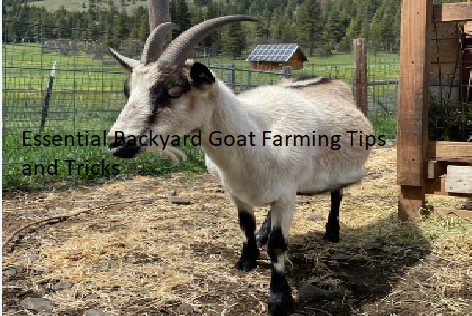
Starting a small-scale operation requires more than just a patch of grass and a love for animals. Mastering effective backyard goat farming tips and tricks involves understanding the specific physical requirements, nutritional needs, and legal constraints of keeping livestock in a residential or semi-rural area. By focusing on preventative health care and proper housing design, you can ensure your herd remains productive and healthy without overwhelming your property or your budget.
Essential Infrastructure for Small Herds
The foundation of your success lies in the quality of your enclosure.
Goats are notorious escape artists that require more than just a standard garden fence to stay secure. A woven wire fence at least 48 inches high is the industry standard for preventing predators from entering and goats from wandering. Ensure your fence posts are set deep enough to withstand the pressure of a goat rubbing against them or leaning over the top to reach a tasty branch.
Shelter design is equally critical for the long-term health of your animals. Goats are susceptible to respiratory issues if kept in damp or drafty environments, so prioritize a dry, three-sided structure that faces away from prevailing winds. Provide at least 15 square feet of indoor space per goat to prevent overcrowding and reduce the risk of bullying.
Elevating their sleeping area with wooden pallets or straw bedding will keep them off the cold ground during winter months.
Managing Nutrition and Forage
Goats are browsers, not grazers, which means they prefer shrubs, woody plants, and weeds over lush, flat pasture grass. Providing a diverse diet is one of the most vital backyard goat farming tips and tricks for maintaining high milk production and general vigor.
They require a steady supply of high-quality hay, especially during winter when natural forage is scarce. Ensure that your hay is mold-free, as goats have sensitive digestive systems and can easily fall ill from contaminated feed.
Supplementation should be handled with precision to avoid mineral imbalances. A loose, goat-specific mineral mix should be available free-choice at all times, as they will naturally consume what they need based on their body’s requirements. Avoid using sheep minerals, as the copper levels are often toxic to goats, while goat minerals are specifically balanced for their physiology.
Always keep clean, fresh water available, as a single adult goat can drink up to 3 gallons of water daily depending on the temperature.
Understanding Legal and Zoning Requirements
Before purchasing your first animal, you must verify your local zoning ordinances regarding livestock. Many municipalities have strict rules about the number of animals allowed per acre, the distance of shelters from property lines, and noise mitigation.
Contact your local agricultural extension office for a copy of your county’s specific regulations on small-scale animal husbandry. Failing to do this can lead to forced removal of your animals and significant fines.
Consider the impact on your neighbors when planning your layout. Goats can be vocal, especially during breeding season or when they are separated from their herd mates. Position your barn as far away from neighboring houses as possible to mitigate noise and odors.
Maintaining a pristine, well-managed property will go a long way in keeping your neighbors supportive of your new venture.
Preventive Health and Routine Maintenance
Disease management is the cornerstone of a sustainable backyard operation. Establishing a relationship with a veterinarian who specializes in small ruminants is a non-negotiable step for any responsible owner.
You will need to perform routine tasks such as hoof trimming every 6 to 8 weeks to prevent foot rot and lameness. Keep a basic medical kit on hand that includes a digital thermometer, antiseptic spray, and electrolytes for emergencies.
Internal parasites, particularly stomach worms, represent the most significant threat to goat health in small backyard settings. Implementing a FAMACHA scoring system allows you to monitor the eyelid color of your goats to detect anemia caused by parasite loads. This method reduces the need for constant deworming, which is crucial because parasites are rapidly developing resistance to common chemical treatments.
Consult the American Consortium for Small Ruminant Parasite Control for science-backed guidance on managing these persistent pests.
Selecting the Right Breed
Your choice of breed should align with your ultimate goal, whether that is milk production, meat, or simply weed control. Dairy breeds like Nubians or Alpines are excellent producers but require more intensive management and consistent milking schedules.
If your focus is on meat production, Boer goats are the gold standard due to their rapid growth rates and heavy muscling. For those looking for low-maintenance brush clearers, Kiko goats are prized for their hardiness and parasite resistance.
| Breed Category | Primary Use | Temperament | Management Level |
| :— | :— | :— | :— |
| Nubian | Dairy | Vocal/Active | High |
| Boer | Meat | Docile | Medium |
| Kiko | Brush/Meat | Hardy | Low |
| Nigerian Dwarf | Dairy/Pet | Friendly | Medium |
Evaluate your available time and space before committing to a breed. A high-production dairy goat will require twice-daily milking, which is a significant time commitment that cannot be skipped. If you have limited space, consider smaller breeds like Nigerian Dwarfs, which are efficient producers and easier to handle for beginners.
Managing Reproduction and Breeding
If you intend to breed your goats, you must plan for the arrival of kids several months in advance.
A goat’s gestation period is approximately 150 days, meaning you need to prepare a clean, draft-free kidding stall well before the expected date. During the final weeks of pregnancy, monitor the doe’s condition closely to ensure she is receiving enough nutrition to support the developing kids. Having a plan for the offspring is just as important as the breeding itself, as you must decide whether to retain them, sell them, or process them.
Buck management is a major consideration for small farms. Keeping an intact male can be challenging due to their strong odor and occasionally aggressive behavior during rut. Many small-scale farmers choose to rent a buck for breeding or use artificial insemination to avoid the complexities of keeping a male on-site.
If you do keep a buck, ensure he has a separate, secure enclosure that prevents accidental breeding and limits his ability to cause property damage.
Financial Considerations and Profitability
Operating a backyard farm involves recurring costs that must be factored into your household budget. Feed, hay, veterinary visits, and bedding materials add up quickly, especially when you factor in the initial investment for fencing and housing.
Keep detailed logs of your expenses to track whether your farm is breaking even or operating at a loss. While many people start as a hobby, some find success by selling excess milk, cheese, soap, or registered breeding stock.
* Initial infrastructure (fencing, shed, feeders)
* Recurring feed and hay costs
* Veterinary fees and annual vaccinations
* Registration and licensing fees
* Equipment for milk processing or waste management
Focus on value-added products if you are looking to offset your costs. Fresh goat milk is highly perishable, but converting it into artisan cheeses or moisturizing soaps can significantly increase your profit margins. Always research your state’s “cottage food” laws before selling any food products to the public, as these regulations dictate how and where you can legally sell your items.
Common Pitfalls for New Owners
One of the biggest mistakes beginners make is failing to provide adequate companionship.
Goats are herd animals and will become depressed, stressed, and destructive if kept alone. Always keep at least two goats to ensure they have the social interaction they require to thrive. A solitary goat is often a loud, unhappy, and unhealthy goat, which creates more work for you as the owner.
Another common error is ignoring the importance of biosecurity. Bringing in new goats without a quarantine period is the fastest way to introduce diseases like Caseous Lymphadenitis or Caprine Arthritis Encephalitis into your herd. Always isolate new arrivals for at least 30 days before allowing them to mingle with your existing animals.
This simple step can save you thousands of dollars in potential veterinary bills and protect your entire operation from devastating outbreaks.
Frequently Asked Questions
How many acres do I need to keep a small herd?
You can comfortably keep a small herd of two to four goats on as little as a quarter-acre if you are providing supplemental hay and grain. The primary constraint is not just space, but the type of terrain and how quickly the goats deplete the available vegetation. If you rely solely on pasture, you will need significantly more land to prevent overgrazing and soil erosion.
Why do goats need baking soda in their diet?
Baking soda acts as a buffer for the rumen, helping to stabilize the pH levels in the goat’s digestive system. If a goat consumes too much grain or experiences a sudden change in diet, the rumen can become overly acidic, leading to a condition known as acidosis. Providing free-choice baking soda allows the animal to self-regulate their digestive health, which is a staple among experienced breeders.
What is the most challenging aspect of raising goats?
Managing parasite resistance and internal health is widely considered the most difficult aspect of goat farming. Because goats are so sensitive to worms, you must be diligent about pasture rotation and fecal testing to keep them healthy. It requires a proactive, scientific approach rather than a reactive one, which can be overwhelming for someone new to the practice.
How do I prepare for a first-time kidding?
Preparation involves stocking a kidding kit with iodine, towels, umbilical cord clips, and colostrum replacer. You should also ensure you have a clean, dry area that is protected from predators and extreme weather. Observe the doe for signs of labor, such as pawing at the ground or restlessness, and be prepared to call your veterinarian if the delivery takes longer than expected.
Final Reflections on Success
Successfully maintaining a small herd is a rewarding endeavor that connects you deeply to the land and the animals you steward. By applying these backyard goat farming tips and tricks, you create a stable foundation that prioritizes animal welfare while keeping your own workload manageable. Remember that every herd is unique, and the best managers are those who observe their animals closely and adapt their strategies based on the specific needs of their goats.
Start small, invest in high-quality infrastructure early, and prioritize your ongoing education regarding animal health. As you gain experience, you will find that the rhythm of daily care becomes second nature, allowing you to enjoy the many benefits of your backyard venture. Whether you are aiming for self-sufficiency or simply looking to enjoy the company of these intelligent creatures, your dedication to best practices will ensure a productive and sustainable future for your farm.
