

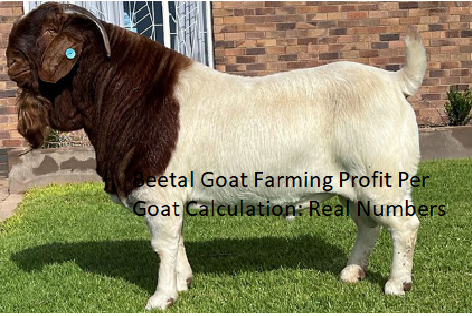
Understanding the beetal goat farming profit per goat calculation is the most critical step for anyone considering a commercial venture in small ruminant livestock. Because Beetal goats are prized for their high milk yield and rapid meat growth, they occupy a unique niche in the agricultural market. Accurately projecting your margins requires looking beyond gross revenue to identify the hidden costs of feed, veterinary care, and labor.
By breaking down the variables that influence your bottom line, you can move from simple speculation to a data-driven business plan. This analysis provides the specific metrics needed to evaluate the financial viability of your goat farming operation.
A reliable beetal goat farming profit per goat calculation typically lands between $40 and $70 per year under optimized management, depending on whether you focus on dairy or meat production. This figure assumes a standard feed-to-weight gain ratio and local market access.
If you are selling purebred Beetal stock for breeding purposes, these numbers can shift significantly higher, often reaching double the standard profit margins. To reach these figures, you must maintain a low mortality rate and keep feed costs—which usually account for 60% to 70% of total expenses—under strict control.
Understanding the Revenue Streams
Revenue in Beetal goat farming primarily stems from three distinct channels: milk production, meat sales, and the sale of breeding stock. Beetal goats are dual-purpose animals, meaning they offer a more flexible income model than specialized dairy or meat breeds.
A mature female can produce between 1.5 to 2.5 liters of milk daily during her peak lactation period. If you are selling this raw milk to local dairies or processing it into artisanal cheese, the revenue per liter adds up quickly over a 200-day lactation cycle.
Meat production relies on the rapid growth rate of Beetal kids, which can reach market weight in six to eight months. Selling a young buck for meat usually yields a higher return per kilogram than selling older, culled animals.
Breeding stock represents the most profitable, yet most capital-intensive, revenue stream. If you maintain high-quality, registered genetics, you can sell kids for breeding rather than slaughter, which commands a significant price premium over standard market rates.
Breakdown of Operational Expenses
The primary cost in your beetal goat farming profit per goat calculation is animal nutrition. Goats require a balanced diet of high-quality forage, grains, and mineral supplements to maintain health and productivity.
During winter months or dry seasons, the reliance on purchased hay and concentrates increases, which directly erodes your profit margins. You must calculate the cost per kilogram of feed and ensure that your conversion ratio remains efficient.
Veterinary and medical expenses represent a smaller but non-negotiable portion of your budget. This includes routine vaccinations, deworming schedules, and occasional emergency care for kidding complications.
Neglecting preventative medicine often leads to higher mortality rates, which is the fastest way to destroy the profitability of an entire herd. You should budget approximately $10 to $15 per goat annually for basic health maintenance and medical supplies.
Impact of Housing and Infrastructure Costs
Initial capital expenditure for housing is a one-time cost that affects your long-term return on investment. A proper shelter must provide adequate ventilation, protection from predators, and dry sleeping areas to prevent respiratory diseases.
If you invest in expensive, automated milking parlors or high-tech climate control, your break-even point will be pushed further into the future. It is often more profitable for beginners to start with simple, functional structures that can be expanded as the herd grows.
Infrastructure maintenance, such as fencing repairs and water system upkeep, requires ongoing attention. Poor fencing leads to lost animals and wasted feed, both of which are direct hits to your bottom line.
You can find detailed resources on best practices for herd management through the National Agricultural Library, which provides comprehensive data on livestock health and housing standards. Investing in high-quality perimeter fencing is a standard way to mitigate the risk of predator attacks and straying.
Calculating Net Profit Margins
To calculate the true profit, you must subtract all variable and fixed costs from your total annual revenue per goat. Fixed costs include land rent, insurance, and equipment depreciation, while variable costs cover feed, medicine, and labor.
If you manage the farm yourself, you might be tempted to overlook the value of your own labor. However, a professional calculation must account for the hours you spend feeding, milking, and cleaning to determine if the enterprise is truly worth your time.
| Expense Category | Estimated Annual Cost per Goat |
|---|---|
| Feed and Nutrition | $80 – $110 |
| Medical and Vaccines | $10 – $15 |
| Utilities and Water | $5 – $8 |
| Miscellaneous Supplies | $5 – $10 |
| Total Estimated Cost | $100 – $143 |
Managing Herd Growth and Reproduction
The speed at which your herd expands directly influences your long-term financial success. Beetal goats are known for their high fertility rates, often producing twins or triplets.
Effective breeding management involves selecting for early maturity and high twinning rates to maximize the number of sellable offspring per doe. If a doe fails to conceive or struggles with kidding, she becomes a net drain on your resources.
You must also consider the cost of replacing older, less productive does. A well-managed farm keeps a core group of high-producing breeders while cycling out older animals to the meat market.
Keeping unproductive animals for sentimental reasons is a common mistake that prevents farmers from achieving their profit goals. By analyzing the performance of each individual animal, you can cull the underperformers and retain the most profitable genetics.
Market Timing and Seasonal Pricing
The market price for goat meat and milk fluctuates significantly throughout the year. Demand for goat meat often spikes during religious holidays and festive seasons, allowing producers to command higher prices.
If you can time your kidding cycles to match these high-demand periods, you can increase your profit per goat without changing your production costs. This requires careful planning and a deep understanding of your local market cycles.
Selling milk directly to consumers or retailers can also yield higher margins than selling to bulk processors. However, this requires additional investment in pasteurization and packaging equipment.
You must weigh the extra labor and capital costs against the potential for higher retail prices. For many small-scale farmers, focusing on local, niche markets is the most effective way to improve profitability.
Common Mistakes That Erode Profit
Many farmers fail because they underestimate the impact of disease and parasite management. Internal parasites are a constant threat in goat farming and can reduce growth rates by 20% or more if left unchecked.
A failure to perform regular fecal egg counts and targeted deworming leads to animals that eat but do not gain weight. This inefficiency is a hidden killer of profits that is often ignored until it is too late.
Overstocking your land is another frequent error that leads to rapid pasture depletion and increased feed costs. When goats are forced to graze on overgrazed land, their nutritional intake drops, and their susceptibility to parasites increases.
You should aim for a stocking density that allows for rotational grazing, which keeps the forage healthy and reduces the need for expensive supplements. Maintaining the right balance between herd size and available resources is essential for sustained profitability.
- Maintain a strict vaccination schedule to prevent preventable losses.
- Implement rotational grazing to maximize pasture quality and reduce feed costs.
- Keep detailed records of each goat’s performance, including milk yield and kidding history.
- Select for genetics that prioritize hardiness and growth rate over pure aesthetic traits.
- Diversify income by selling both meat and dairy products when possible.
Frequently Asked Questions
What is the biggest factor affecting profitability?
Feed costs are the single largest expense in any goat farming operation. Controlling these costs through home-grown forage or efficient grazing management is the primary driver of your net profit.
How long does it take for a Beetal goat to become profitable?
Most farmers begin to see a return on their initial investment within two to three years. This timeline accounts for the initial costs of purchasing stock, building infrastructure, and the time required for the herd to reach full reproductive maturity.
Is it better to focus on milk or meat?
The choice depends on your local market demand and available facilities. Milk production offers consistent, year-round cash flow, while meat production is less labor-intensive and has a shorter turnover cycle for each animal.
How many goats do I need to make a living?
To generate a full-time income, you typically need a herd of at least 100 to 150 breeding does. This scale allows you to achieve economies of scale in feed purchasing and creates a large enough volume of product to command better market prices.
What is the average mortality rate I should expect?
A well-managed farm should aim for a kid mortality rate of less than 10%. If your mortality rate is significantly higher, it usually indicates issues with nutrition, housing, or parasite management that must be addressed immediately.
Final Considerations for Success
Calculating your financial returns is not a one-time task but a continuous process of monitoring and adjustment. As your herd grows and market conditions change, you must revisit your data to identify new opportunities for cost savings or revenue growth.
Success in this industry requires a combination of disciplined record-keeping, veterinary vigilance, and a keen eye on market trends. By treating your animals as a business asset and focusing on the metrics that matter, you can build a sustainable and profitable operation.
The beetal goat farming profit per goat calculation serves as your compass, guiding you toward the most efficient management practices. While the numbers may shift based on your specific location and operational scale, the core principles of cost control and high-quality production remain constant. Start by tracking your expenses meticulously and focusing on the health of your herd.
As you refine your processes and gain experience, you will find that the margins become more predictable and the path to profitability becomes clearer. If you remain dedicated to these fundamentals, you will be well-positioned to succeed in this competitive agricultural sector.
