

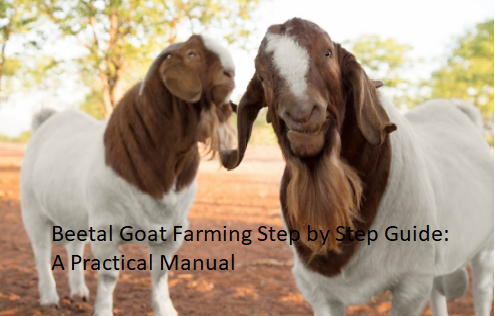
Starting a successful livestock enterprise requires a clear understanding of the specific breed you intend to raise, and a beetal goat farming step by step guide provides the essential framework for profitability. This breed is highly valued for its dual-purpose productivity, offering both high-quality milk and rapid meat growth.
By focusing on proper nutrition, housing standards, and health management, you can transform a small herd into a sustainable commercial operation. This article outlines the precise steps needed to manage your flock effectively, ensuring you meet the market demand for quality dairy and meat products while maintaining high animal welfare standards throughout the production cycle.
Initial Investment and Breed Characteristics
The primary question for any new producer is what specific output they can expect from this breed. A mature Beetal buck typically weighs between 60 and 80 kilograms, while a doe usually reaches 40 to 50 kilograms.
Their milk production is equally impressive, with high-yielding individuals producing 2 to 3 liters per day under optimal management. These goats are prized for their adaptability to stall-fed systems, making them an excellent choice for intensive farming setups where land is limited.
When planning your initial investment, you must account for the purchase price of quality breeding stock. A healthy, purebred Beetal yearling often commands a higher price than crossbred alternatives, but the return on investment through faster growth and higher milk yields justifies the cost.
You should prioritize purchasing from certified breeders who can provide vaccination records and lineage history. Avoid animals that show signs of lethargy, dull coats, or respiratory distress, as these are indicators of underlying health issues that will compromise your long-term success.
Housing and Infrastructure Requirements
Housing represents one of the most critical aspects of your operation, as these goats are sensitive to extreme weather conditions. You need a shed that provides at least 12 to 15 square feet of floor space per adult goat to prevent overcrowding and stress.
The floor should be elevated or constructed with materials that allow for efficient drainage, such as bamboo slats or concrete with a slight slope. Proper ventilation is non-negotiable, as ammonia buildup from waste can lead to severe respiratory infections.
You must also incorporate a dedicated area for kidding and nursing, separated from the main herd. This isolation ensures the safety of newborns and allows for closer monitoring of the mother’s recovery.
Install feeding troughs that are at least 18 inches off the ground to prevent contamination from feces. A clean water source must be available at all times, preferably through an automated bowl system that keeps the water fresh and free of debris.
Nutritional Management and Diet
Feeding accounts for roughly 60% to 70% of your total operational costs, making it the most significant variable in your budget. Beetal goats require a balanced diet consisting of green fodder, dry roughage, and a concentrated feed mix.
You should provide at least 2 to 3 kilograms of green forage daily per adult goat to maintain healthy rumen function. Supplement this with high-protein legumes like alfalfa or berseem to support milk production and muscle development.
Concentrate feed should be introduced to balance the diet, especially for lactating does and growing kids. A typical mix includes ground corn, wheat bran, soybean meal, and a small percentage of salt and mineral supplements.
You can learn more about specific nutritional requirements through the Food and Agriculture Organization’s animal production resources. Consistency in feeding times is essential, as irregular schedules can cause digestive upset and reduce overall productivity.
Healthcare and Vaccination Protocols
Disease prevention is far more cost-effective than treatment, and a strict vaccination schedule is the backbone of any beetal goat farming step by step guide. You must consult with a local veterinarian to establish a calendar that accounts for regional disease risks.
Common vaccines include those for Peste des Petits Ruminants (PPR), Enterotoxemia, and Foot-and-Mouth Disease. Administering these on time ensures your herd maintains immunity throughout the year.
Internal and external parasite control is equally vital to maintain the weight and health of your animals. Deworming should be performed every 3 to 4 months, rotating the anthelmintic drugs to prevent the development of drug-resistant parasites.
Keep a detailed logbook for every animal, recording dates of vaccinations, deworming treatments, and any observed health issues. If you notice a goat isolating itself from the group, refusing food, or displaying unusual discharge, isolate it immediately to prevent the spread of contagious illness.
Breeding Cycles and Herd Management
Managing the reproductive cycle effectively dictates your annual income, as it determines the frequency of kidding. Beetal goats are known for their high fertility, often giving birth to twins or even triplets under good management.
A doe typically reaches sexual maturity at 8 to 10 months of age, but it is generally recommended to wait until they reach 70% of their adult body weight before the first breeding. This practice ensures the mother is physically prepared for the demands of pregnancy and lactation.
You must keep accurate records of breeding dates to predict kidding times with precision. During the final month of pregnancy, known as the steaming-up period, increase the quality and quantity of the doe’s feed to support fetal growth and colostrum production.
The gestation period for a Beetal goat is approximately 145 to 150 days. Ensure that the birthing environment is sanitized and quiet to reduce stress for the doe during labor.
Comparison of Goat Farming Systems
Understanding the difference between various farming models helps you choose the right path for your resources. Many farmers start with a semi-intensive system before moving to full stall-fed operations.
| System Type | Space Required | Labor Intensity | Feed Control |
|---|---|---|---|
| Extensive (Grazing) | High (1+ acre/10 goats) | Low | Poor |
| Semi-Intensive | Moderate | Moderate | Fair |
| Intensive (Stall-fed) | Low (Limited space) | High | Excellent |
The intensive system is generally the most profitable for Beetal owners because it allows for precise monitoring of intake and growth rates. While the labor requirements are higher, the reduction in disease exposure and the ability to maximize weight gain make it a preferred choice for commercial producers. You must balance your available labor force with the scale of your operation to ensure that each goat receives individual attention.
Financial Planning and Market Strategy
A business plan for your farm should detail all anticipated expenditures and potential revenue streams. Your primary income will come from selling live animals for meat, but you should also explore the market for high-quality goat milk.
Many local markets offer premiums for milk if it is handled hygienically and packaged professionally. Consider these factors when projecting your bottom line:
- Initial cost of breeding stock and infrastructure setup.
- Monthly expenses for feed, vaccines, and veterinary services.
- Projected growth rates and expected mortality rates.
- Market prices for live weight vs. carcass weight.
- Seasonality of demand, particularly around major festivals.
Diversifying your revenue is a smart strategy for long-term stability. For instance, selling manure as organic fertilizer can provide a small but consistent side income that helps offset feed costs.
Establish relationships with local butchers or restaurant owners early in the process to understand their specific weight and quality requirements. Building a reputation for consistent, high-quality output is the best way to ensure repeat business and stable pricing.
Common Pitfalls for Beginners
Many new farmers fail because they underestimate the amount of time required for daily maintenance. Overcrowding is a frequent error that leads to increased disease transmission and stunted growth in kids.
You must avoid the temptation to scale up too quickly before you have mastered the basics of nutrition and health for a smaller herd. If your mortality rate for kids exceeds 5% to 10%, you need to re-evaluate your sanitation and feeding protocols immediately.
Another common mistake is failing to keep adequate records, which prevents you from identifying which does are the most productive. You should track birth weights, milk yields, and growth rates to make informed decisions about which animals to keep for breeding and which to cull.
Investing in a simple digital scale and a notebook will provide you with the data needed to optimize your herd’s genetics over time. Never underestimate the importance of clean, dry bedding, as damp conditions are the primary cause of foot rot and other preventable lameness issues.
Frequently Asked Questions
How many acres do I need for 100 goats?
If you are using a strictly stall-fed or intensive system, you only need about 0.5 to 1 acre for the shed and exercise yard. If you intend to graze them, you would need at least 15 to 20 acres of high-quality pasture to support that many animals without overgrazing the land.
Why give baking soda to goats?
Baking soda acts as a buffer for the rumen, helping to prevent acidosis when goats consume high-concentrate diets. You should provide it free-choice in a separate container so the goats can consume it based on their digestive needs.
How much does a Beetal goat weigh at 6 months in kg?
Under good nutritional management, a healthy Beetal kid should weigh between 20 and 25 kilograms by the time it reaches 6 months of age. Growth rates vary depending on the quality of the creep feed and the mother’s milk production.
What is F1, F2, and F3 in goats?
These terms refer to filial generations in crossbreeding programs. An F1 is the first-generation offspring of two different breeds, while F2 and F3 are subsequent generations bred from those crosses to stabilize specific traits like meat yield or milk volume.
Can I start with just one or two goats?
Yes, starting with a small number is a wise way to learn the ropes of beetal goat farming step by step. It allows you to focus on individual animal care and refine your feeding strategy without the financial pressure of a large, high-maintenance herd.
Conclusion
Executing a successful beetal goat farming step by step guide requires patience, consistent observation, and a commitment to animal health. By focusing on high-quality nutrition, maintaining a clean and well-ventilated environment, and keeping precise records, you can significantly improve your chances of profitability. Remember that the health of your herd is directly tied to your attention to detail; small issues caught early rarely turn into major disasters.
As you develop your skills and expand your operation, continue to look for ways to optimize your feed costs and market your products effectively. Starting small allows you to learn the specific temperament and needs of your animals, providing a strong foundation for a thriving, sustainable business that serves your local community’s needs for years to come.
