

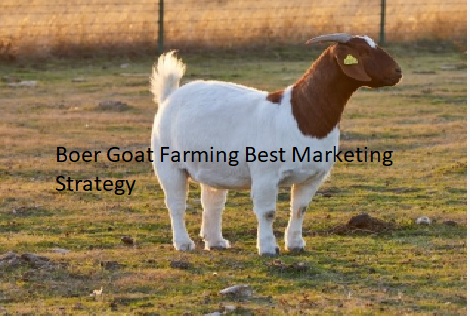
Developing a boer goat farming best marketing strategy requires balancing high-quality livestock production with the specific demands of local and regional meat markets. Breeders who consistently maximize their returns do not simply rely on word-of-mouth; they treat their operations as professional meat-supply businesses that prioritize traceability, animal health, and consistent supply chains.
By understanding the demographic preferences of your target buyers—whether they are high-end ethnic markets, local butchers, or fellow breeders—you can tailor your sales approach to capture premium prices rather than settling for standard auction floor rates. This article outlines the precise steps needed to establish a profitable sales framework for your Boer goat business.
The single most effective boer goat farming best marketing strategy is to bypass the middleman by establishing direct contracts with ethnic retailers or local farm-to-table butcher shops. Relying solely on sale barns often results in price volatility where you lose control over your profit margins.
Instead, successful farmers focus on the “Eid-al-Adha” and “Easter” windows, where demand for specific weight classes—typically 60 to 80 pounds—spikes significantly. By timing your breeding cycles to ensure your kids reach market weight exactly three weeks before these major holidays, you can secure a premium price that is often 20% to 30% higher than the average annual market rate.
Understanding Target Demographics
The meat goat industry in many regions is heavily driven by cultural demand, meaning your marketing must reflect the needs of your local population. In the United States, for instance, the demand for goat meat is concentrated in urban areas with high populations of Caribbean, Middle Eastern, and Hispanic residents.
You should identify the nearest major metropolitan area and research the specific weight and condition requirements these communities demand. Some buyers prefer younger, milk-fed kids, while others look for heavier, leaner animals that are closer to maturity.
Establishing Direct-to-Consumer Sales
Selling directly to the end consumer is the most profitable path, provided you navigate the legal requirements of your local jurisdiction. Many states allow for on-farm sales of live animals for religious or personal consumption, but you must ensure you are compliant with local health department regulations.
If you choose to process the meat yourself, you must typically use a USDA-inspected facility if you intend to sell individual cuts to the public. Maintaining a high standard of biosecurity on your farm serves as a powerful marketing tool, as buyers are increasingly concerned about the health and conditions of the animals they purchase.
Utilizing Digital Channels
While traditional word-of-mouth remains relevant, a modern boer goat farming best marketing strategy requires a professional digital presence. A simple website or a dedicated Facebook page can showcase your herd’s genetics, your facility’s cleanliness, and your contact information for potential buyers.
Post high-quality photos of your stock, focusing on the distinct Boer traits like broad chests, long bodies, and strong legs. Sharing regular updates about your management practices builds trust with potential clients who are looking for a reliable source of quality meat or breeding stock.
Comparing Marketing Channels
Choosing the right channel depends on your farm’s scale and your proximity to urban centers. The following table highlights the trade-offs between common sales methods for Boer goat producers.
| Sales Channel | Margin Potential | Effort Required | Primary Buyer |
|---|---|---|---|
| Livestock Auction | Low | Minimal | Resellers |
| Direct-to-Consumer | High | High | End Consumers |
| Butcher Partnerships | Medium | Moderate | Retailers |
| Private Treaty Sales | High | Moderate | Other Breeders |
Building Long-Term Buyer Relationships
Consistency is the cornerstone of any successful agricultural venture, and goat farming is no exception. If you promise a butcher a delivery of 10 goats, you must ensure those animals are uniform in size, weight, and health. Buyers who can rely on your supply will pay a premium to avoid the uncertainty of bidding at an auction house.
Make it a point to visit your primary buyers regularly to ask for feedback on the carcass quality of the animals you provided. This feedback loop allows you to adjust your feed rations or breeding selections to better match the market’s specific needs.
Leveraging Genetics for Premium Prices
Selling breeding stock is a fundamentally different marketing challenge than selling meat goats. When marketing to other farmers, you must provide performance data, such as birth weights, weaning weights, and pedigree information. A well-documented history of your herd’s health, including vaccination records and parasite control, creates a compelling case for higher prices.
You can find detailed resources on best practices for herd health at the United States Department of Agriculture, which provides data on national trends and production standards. By positioning your farm as a source of superior genetics, you move your business from a commodity provider to a specialized supplier.
Managing Seasonal Demand
The seasonality of the goat market is a double-edged sword that requires careful planning. While demand peaks during specific holidays, there are months when demand is significantly lower, which can strain your cash flow. To mitigate this, consider diversifying your product line, such as selling manure for organic gardening or offering educational workshops on goat husbandry.
You might also explore “contract grazing” services, where you rent your herd out for vegetation management in urban or suburban areas. These alternative revenue streams keep your operation profitable during the slower periods of the meat market cycle.
Professional Networking and Industry Events
Attending regional livestock shows and agricultural expos is essential for building a brand name in the goat industry. These events allow you to see what other successful producers are doing and connect with potential buyers from outside your immediate area.
Networking with local 4-H clubs or agricultural extension agents can also open doors to new markets that you might not have considered. Being an active participant in your local agricultural community establishes your credibility and makes it easier to sell your stock when you are ready to move a large group of animals.
Key Assets for Your Business
To sustain growth, you need to manage your operation with the same rigor as any other small business. Here are the core assets that should be part of your marketing and management plan:
- Performance records for each doe and buck in your herd.
- A database of contact information for all past and repeat buyers.
- High-quality photography of your top-performing livestock.
- A clean, professional facility that visitors can tour safely.
- A clear, written policy on animal health and vaccination protocols.
- A seasonal calendar of breeding and kidding to align with peak market demand.
Frequently Asked Questions
What is the most profitable age to sell Boer goats?
The most profitable age is typically between 4 and 6 months, when the goats are at their peak weight-to-feed-cost ratio. Selling at this stage ensures the meat is tender and the animal has not consumed excess feed that would diminish your profit margin.
How do I find local buyers for my goats?
Start by contacting ethnic grocery stores in the nearest city to ask who their current suppliers are and what their specific requirements might be. You can also visit local butcher shops that specialize in custom processing and ask if they are looking for reliable, locally sourced goat meat.
Is it better to sell at auctions or privately?
Private sales almost always offer better margins because you avoid auction fees and the risk of low bids on market days. Auctions are useful for clearing out stock quickly, but they rarely reward the extra effort spent raising high-quality animals.
What role does social media play in selling goats?
Social media is highly effective for visual marketing, especially for selling breeding stock or high-quality club goats. Platforms like Facebook allow you to join breed-specific groups where you can showcase your animals to a highly targeted audience of fellow farmers.
How do I handle the legal requirements for meat sales?
You must consult your state’s department of agriculture regarding meat processing regulations. If you want to sell individual cuts of meat, you will almost certainly need to work with a federally or state-inspected facility to ensure your product meets food safety standards.
Conclusion
Implementing a successful boer goat farming best marketing strategy requires a shift in mindset from being a passive producer to becoming an active seller. By focusing on direct-to-consumer relationships, aligning your production cycles with high-demand cultural holidays, and maintaining impeccable records, you can significantly increase the profitability of your operation. Do not be afraid to invest time into building your professional network and refining your digital presence.
The meat goat market rewards producers who are reliable, transparent, and proactive about finding their end buyers. Start by identifying one or two local butchers or ethnic markets to approach this season. Consistent, high-quality production paired with smart outreach will build your reputation over time and provide the foundation for a sustainable agricultural business.
