

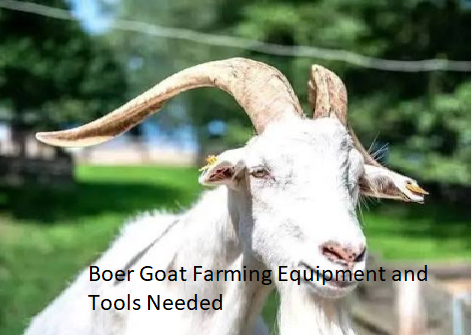
Investing in the right infrastructure is the foundation of a successful meat goat enterprise, so understanding the specific boer goat farming equipment and tools needed is vital before you purchase your first herd. Boer goats are highly productive animals, but they require specialized housing, feeding, and health management tools to thrive in various climates.
By prioritizing durable equipment that simplifies daily labor, you can focus on breeding performance and weight gain. This overview details the essential assets required to maintain a healthy, growing Boer goat operation while keeping your overhead costs manageable.
Essential Infrastructure and Housing Requirements
The most critical investment involves secure fencing and dry, draft-free shelter. Boer goats are notoriously curious and capable of finding the smallest gap in a fence line.
You should prioritize woven wire fencing, often called “no-climb” fencing, which features smaller squares at the bottom to prevent heads from getting stuck. Standard heights for perimeter fencing should be at least 48 inches to deter predators and keep the goats contained.
Inside the pasture, you need a three-sided shelter that protects animals from prevailing winds and heavy rain. Goats dislike damp conditions and are prone to respiratory issues if their bedding remains wet.
Ensure the structure provides at least 12 to 15 square feet of floor space per adult doe to prevent overcrowding. You can construct these using simple pole-barn designs with corrugated metal roofing for longevity.
Feeding and Watering Systems
Efficient feeding systems are central to the list of boer goat farming equipment and tools needed for maximizing growth rates. You need raised hay feeders that keep forage off the ground, as goats are susceptible to internal parasites when they eat contaminated feed from the soil. A wall-mounted trough or a V-shaped rack helps minimize waste and keeps the hay clean.
Water is the most important nutrient for milk production and weight gain. You should use heavy-duty troughs that are easy to clean and difficult for the goats to tip over.
If you live in an area with freezing winters, consider investing in a submersible tank heater to ensure the water supply remains liquid. Providing clean, fresh water at all times can significantly improve your herd’s overall body condition.
Health and Medical Management Supplies
Maintaining a high-health herd requires a dedicated kit for routine procedures and emergencies. You will need a digital thermometer to monitor body temperatures, as a fever is often the first sign of illness in goats. Keep a supply of sterile syringes of various sizes, typically 3cc and 6cc, along with hypodermic needles appropriate for subcutaneous injections.
You must also have a hoof trimming kit on hand to prevent lameness and foot rot. A high-quality pair of hoof shears and a rasp are standard tools for this task. It is also wise to keep a small stockpile of basic medical supplies, such as antiseptic spray, electrolytes for scouring kids, and a drenching gun for administering oral dewormers.
Handling and Restraint Gear
Sorting goats for vaccinations, breeding, or transport requires a well-designed handling system. A basic chute or a small working pen allows you to restrain an animal safely without causing unnecessary stress. If you are managing a herd of more than 20 head, a head gate is an excellent investment to hold the goat securely while you work.
Portable panels made of galvanized steel are versatile tools for creating temporary pens or sorting lanes. These panels can be moved around the farm to isolate sick animals or separate bucks from does during the off-season. Investing in a sturdy, portable loading ramp will also save you significant physical labor when it comes time to transport goats to market or auction.
Record Keeping and Identification
Successful Boer goat farming relies on detailed data regarding birth weights, kidding intervals, and weaning performance. You need a reliable system for ear tagging or tattooing each animal for individual identification. Many farmers use a combination of visual ear tags and electronic RFID chips to streamline inventory management.
Keep a physical logbook or use digital farm management software to track your breeding records. You should note the date of service, the expected kidding date, and any health interventions performed on each animal. These records are essential for making culling decisions and identifying your most productive does.
Comparison of Essential Equipment Costs
The following table provides an estimated look at the initial investment required for a small-scale start-up. Prices vary significantly based on regional availability and whether you choose new or repurposed materials.
| Equipment Category | Estimated Cost (Entry Level) | Primary Utility |
|---|---|---|
| Woven Wire Fencing | $1.50 – $2.50 per linear foot | Predator control and containment |
| Raised Hay Feeder | $150 – $300 | Parasite prevention |
| Water Trough (50 gal) | $80 – $150 | Hydration and growth |
| Hoof Trimming Kit | $40 – $70 | Mobility and foot health |
| Medical/Injection Kit | $60 – $120 | Disease management |
Tools for Pasture Maintenance
Managing the quality of your forage is just as important as the goats themselves. You will need a reliable brush cutter or mower to keep weeds under control and encourage fresh grass growth. Goats are browsers, but they still require a clean pasture to minimize their exposure to worm larvae.
Consider investing in a soil testing kit to understand the pH and nutrient levels of your land. Periodic fertilization or liming, based on your test results, will significantly increase the carrying capacity of your acreage. For more information on sustainable land management, you can consult the USDA Natural Resources Conservation Service for guidance on pasture improvement.
Seasonal Equipment Considerations
Your equipment needs will shift slightly depending on the time of year and the stage of your goats’ life cycle. During the kidding season, you need a dedicated area for new mothers, often called a kidding jug. These small pens, typically 4×4 feet, allow the doe to bond with her kids away from the rest of the herd.
You should also keep a set of heat lamps for extreme cold, though these must be installed with strict fire safety precautions. In the summer, you might require shade cloth or industrial fans if you are keeping goats in a barn during the hottest parts of the day. Preparing for these seasonal shifts ensures that your herd remains productive throughout the entire calendar year.
Frequently Asked Questions
How many goats do I need to start a farm?
Most experts recommend starting with a small group of three to five does and one buck. This size allows you to learn the nuances of herd management and equipment maintenance without being overwhelmed. It also provides enough animals to observe behavioral differences and health patterns.
What is the most important piece of equipment for a beginner?
A secure, high-quality fencing system is undoubtedly the most important investment. If your goats cannot be contained, you lose your primary asset and face significant risk to both your herd and your neighbors’ property. Never compromise on the quality of your perimeter fence.
Do I need an expensive chute right away?
You do not need a commercial hydraulic chute immediately. A small, sturdy pen constructed from cattle panels can serve as an effective handling area for a small herd. As your herd grows and you handle animals more frequently, you can upgrade to a permanent head gate or squeeze chute.
How often should I clean my water troughs?
You should scrub and rinse your water troughs at least once a week. Goats are clean animals by nature and will often refuse to drink from dirty or algae-filled water. Clean water is a low-cost way to ensure better weight gain and overall herd health.
What basic medical supplies are non-negotiable?
Every goat farmer should have a digital thermometer, hoof shears, a selection of syringes, and an oral drenching gun. These tools allow you to perform basic health assessments and treat common issues like foot rot or parasite loads. Keeping these items in a dedicated, clean container is essential for quick access.
Selecting the right boer goat farming equipment and tools needed is a process of balancing immediate functionality with long-term durability. By focusing on secure fencing, effective feeding systems, and proactive health management, you create a environment where your goats can reach their full genetic potential. Start with the basics, prioritize the health of your animals, and scale your infrastructure as your herd grows.
Investing in quality equipment today prevents expensive problems tomorrow, setting the stage for a sustainable and profitable agricultural venture. Consistency in your daily routines and regular maintenance of these tools will serve your operation well for years to come.
