

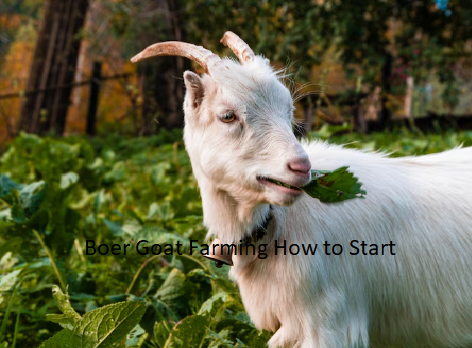
Understanding boer goat farming how to start requires balancing initial capital investment with a long-term plan for herd management. Boer goats are specifically bred for meat production, making them a popular choice for farmers looking to enter the livestock industry.
By focusing on breed standards, pasture quality, and health protocols, you can build a sustainable operation that meets market demand. This article provides the essential steps to launch your farm, from site selection to daily maintenance routines.
Initial Investment and Financial Planning
The financial reality of boer goat farming how to start involves calculating upfront expenses before purchasing your first animal. You should expect to spend between $300 and $800 per high-quality doe, depending on their pedigree and registration status. Buying registered animals is a strategic move, as it allows you to sell breeding stock at a premium later.
Infrastructure costs often outweigh the initial purchase price of the animals. You will need secure fencing, which is the most critical asset for goat security.
Expect to pay roughly $2.00 to $4.00 per linear foot for high-tensile woven wire fencing. This material prevents predators from entering while keeping your herd contained within designated grazing areas.
Operating capital is equally important for your first year of production. You must account for feed supplementation, mineral blocks, and veterinary supplies for at least six months. Most experts recommend setting aside an additional $150 per head as an emergency buffer for unexpected medical costs or feed price surges.
Selecting the Right Foundation Stock
Choosing the right animals is the foundation of your future success. When researching boer goat farming how to start, look for breeders who participate in performance testing programs. These programs provide data on growth rates and milk production, which are vital for meat-focused operations.
Inspect the animal’s physical conformation closely before finalizing any sale. A healthy Boer goat should have a wide chest, a deep body, and strong, straight legs. Avoid animals with visible signs of respiratory distress, such as nasal discharge or labored breathing.
Consider starting with a small group of three to five does and one buck. This size allows you to learn the nuances of animal husbandry without being overwhelmed by a large herd. You can grow your numbers naturally through kidding, which is often more cost-effective than buying additional mature animals.
Infrastructure and Land Requirements
Goats are browsers, not grazers, meaning they prefer brush and weeds over short grass. You need approximately one acre of land for every six to eight goats, depending on the quality of the forage. If your land is sparse, you will need to supplement with high-quality hay to maintain animal condition.
Housing requirements for goats are relatively modest compared to cattle or horses. A three-sided shelter is sufficient to protect them from wind and rain. Ensure the bedding stays dry, as moisture leads to hoof rot and respiratory issues.
The following table summarizes the primary startup assets needed for a small-scale operation:
| Asset Category | Estimated Cost Range | Priority Level |
|---|---|---|
| Breeding Stock (per head) | $300 – $800 | High |
| Woven Wire Fencing | $2.00 – $4.00/ft | High |
| Three-Sided Shelter | $500 – $2,000 | Medium |
| Veterinary Kit | $100 – $300 | High |
| Mineral Feeders | $50 – $150 | Low |
Health and Nutrition Management
Managing the health of a herd is a constant commitment to observation. Boer goats are susceptible to internal parasites, which can decimate a herd if left untreated. Implement a FAMACHA scoring system to monitor for anemia caused by barber pole worms.
Nutrition should focus on providing a balanced diet that supports rapid weight gain. While goats browse, they require access to loose minerals specifically formulated for goats, not sheep. Copper is essential for goat health, but it is toxic to sheep, so keep this in mind if you plan to graze multiple species.
For official guidelines on livestock health and disease prevention, refer to the resources provided by the USDA Animal and Plant Health Inspection Service. They offer detailed documentation on biosecurity measures and common goat diseases. Following these protocols will protect your investment and ensure the long-term viability of your farm.
Breeding Cycles and Kidding
Successful breeding management dictates your cash flow throughout the year. Boer goats are polyestrous, meaning they can breed throughout the year, but most farmers synchronize kidding to match peak forage availability. A typical gestation period for a goat is approximately 150 days.
Prepare a clean, quiet area for does to kid. Most goats deliver their kids without assistance, but you should have supplies ready just in case. Have iodine for dipping navels, clean towels, and a bottle of colostrum on hand for emergencies.
Keep detailed records of every birth, including dates, weights, and any complications. This data helps you identify your most productive does and cull those that consistently struggle. Tracking these metrics is a hallmark of professional goat farming operations.
Marketing Your Meat and Stock
Selling your product is the final step in the cycle of boer goat farming how to start. You can market your animals in three primary ways: as breeding stock, as 4-H projects for local youth, or as meat animals for commercial slaughter. Meat goats generally reach market weight between 60 and 90 pounds.
Building relationships with local butchers or ethnic markets can provide a consistent outlet for your harvest. Many producers find that selling directly to consumers allows for higher margins than selling through traditional livestock auctions. You must be aware of your state’s specific regulations regarding the processing of goat meat for sale.
Diversifying your sales channels reduces the risk of relying on a single buyer. Maintain a simple website or social media page to showcase your farm and the quality of your animals. Transparency regarding how you raise your goats often attracts customers willing to pay a premium price.
Common Mistakes to Avoid
Many beginners fail because they underestimate the importance of proper fencing. Goats are notorious escape artists and will exploit any weak point in your perimeter. Spend extra time ensuring your gates latch securely and your wire is pulled tight.
Another frequent error is overstocking land that cannot support the herd. Overgrazing destroys the pasture root system, leading to soil erosion and a lack of quality forage in future seasons. It is better to have a smaller, healthy herd than a large, struggling one.
Neglecting preventative health measures is a costly mistake. Vaccination protocols for enterotoxemia and tetanus are essential for survival. Consult with a local large-animal veterinarian to create a schedule that addresses the specific needs of your region.
Daily Operational Routines
Consistency is the secret to a healthy herd. Your daily routine should include checking water troughs for cleanliness, as goats are picky drinkers. If the water is dirty, they will reduce their intake, which negatively impacts milk production and growth.
Spend time walking through the herd every day to observe behavior. A goat that stands apart or stops eating is often the first sign of illness. Early intervention is almost always more effective and cheaper than treating a full-blown infection.
* Daily water check and trough cleaning
* Observation of herd movement and energy levels
* Checking fence lines for potential breaches
* Monitoring for signs of predator activity
* Reviewing pasture rotation schedules
Frequently Asked Questions
Is raising Boer goats profitable?
Profitability is achievable, but it depends on your ability to manage feed costs and reach target market weights efficiently. Most successful farms focus on high-quality genetics to sell breeding stock, which commands higher prices than meat-only animals.
How much would it cost to start a goat farm?
A modest start with five does and a buck, including basic fencing and shelter, typically costs between $3,000 and $6,000. Costs vary significantly based on existing land infrastructure and the quality of the initial breeding stock you purchase.
How many acres do you need to raise 100 goats?
If your land provides high-quality forage, you can generally support 100 goats on 15 to 20 acres. If you rely heavily on supplemental hay, you may be able to utilize less land, but this increases your overhead expenses significantly.
Are Boer goats hard to raise?
They are relatively hardy animals, but they require diligent parasite management and secure fencing. If you are prepared for the time commitment of daily observation and basic medical care, they are an excellent choice for new farmers.
Do I need a veterinarian on call?
Yes, establishing a relationship with a large-animal veterinarian is vital. You need someone who understands small ruminant medicine to assist with emergency births, complex health issues, and routine herd management advice.
Refining Your Farming Strategy
Starting a livestock business is a significant undertaking that requires patience and attention to detail. By following the principles of boer goat farming how to start, you build a foundation that prioritizes animal health and financial stability. Remember that every farm is unique, and you will need to adapt these general guidelines to fit your specific climate, soil type, and regional market demand.
Focus on slow, sustainable growth rather than trying to scale too quickly. As you gain experience, you will learn to read your herd’s needs and optimize your production cycles. Reach out to local agricultural extension offices or established breeders in your area for mentorship.
With consistent effort and a focus on quality, you can establish a successful operation that contributes to the agricultural community. Engaging with your local farming network is the best way to move from planning to active production.
