

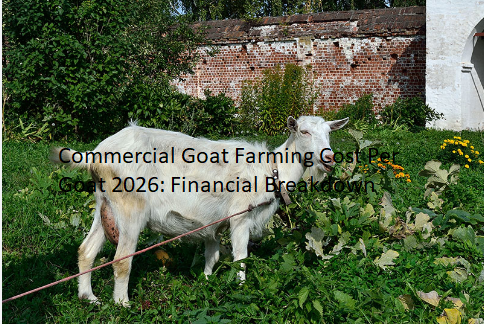
Calculating the commercial goat farming cost per goat 2026 requires looking beyond initial purchase prices to account for feed, veterinary care, and infrastructure overhead. Aspiring producers often underestimate the operational expenses involved in scaling a herd, leading to financial strain during the first two years of production. Understanding these figures is essential for creating a sustainable business plan that accounts for market volatility and regional price differences.
This article details the specific capital requirements and ongoing maintenance costs you should expect when entering the industry this year. By examining these core metrics, you will gain a clearer picture of the investment needed to turn a profit with a commercial goat operation.
For a mid-sized commercial operation in 2026, the initial investment for a quality breeding doe ranges from $250 to $450, depending on the breed and lineage. Once the animal is on your property, you should budget between $150 and $250 per year for basic maintenance, which includes high-quality forage, mineral supplements, and routine vaccinations.
If you are operating at scale, these costs often decrease slightly due to bulk purchasing power, but fixed costs like land taxes and infrastructure depreciation remain constant. When factoring in labor and health management, the total cost to bring a kid to market weight usually lands between $300 and $400 inclusive of all inputs.
Infrastructure and Initial Setup Requirements
Before acquiring your first animal, you must establish a secure environment to protect your investment from predators and disease. Fencing remains the single most expensive entry cost, often requiring a budget of $3,000 to $5,000 per acre for high-tensile woven wire.
You cannot cut corners here, as goats are notorious for testing perimeter integrity and escaping into neighboring properties. A robust fence reduces the risk of coyote or stray dog attacks, which are common causes of total loss for new farmers.
Shelter requirements for commercial herds are practical rather than aesthetic, focusing on ventilation and protection from moisture. A three-sided pole barn provides sufficient shelter for most climates, costing approximately $15 to $25 per square foot to construct.
You need roughly 12 to 15 square feet of interior space per goat to prevent overcrowding and reduce respiratory issues. Proper drainage around these structures is mandatory to keep bedding dry and minimize hoof-related health complications during wet seasons.
Water delivery systems represent a recurring infrastructure cost that is frequently overlooked during the planning phase. Installing an automated gravity-fed or pressure-regulated watering system saves hundreds of hours in manual labor annually.
Depending on your water source, you might spend $500 to $1,500 on plumbing, troughs, and filtration components. Reliable, clean water is the most critical factor in growth rates and milk production, making this a non-negotiable expense for any commercial operation.
Annual Nutritional Budgeting
Feed is the primary ongoing cost for any goat enterprise, accounting for roughly 60% to 70% of total operating expenses. In 2026, the price of high-quality alfalfa hay and balanced grain rations has remained elevated, requiring producers to prioritize pasture management to offset costs.
If you rely entirely on purchased feed, you can expect to spend $0.75 to $1.25 per head per day depending on the stage of production. Lactating does and growing kids naturally require higher caloric intake, which shifts the daily expense toward the higher end of that range.
Rotational grazing is the most effective strategy for managing feed costs, as it allows you to maximize forage utilization. By moving goats between paddocks every three to five days, you prevent overgrazing and reduce the need for supplemental grain.
You should invest in portable electric fencing, which costs approximately $400 to $600 for a complete kit. This strategy not only lowers your feed bill but also breaks the parasite lifecycle, significantly reducing the amount of dewormer you need to purchase.
Mineral supplementation is another critical, though often underestimated, line item in your annual budget. Goats require specific trace minerals like copper, selenium, and zinc, which are rarely provided in sufficient quantities by local forage alone. A premium loose mineral mix costs roughly $30 to $45 per 50-pound bag.
You should budget for at least one bag per 20 goats every two months to ensure proper immune function and reproductive health. Ignoring these supplements leads to lower kidding rates and increased mortality, which quickly erodes your profit margins.
Health Management and Veterinary Expenses
A proactive health program is far cheaper than reactive treatment for a sick herd. You should anticipate spending $30 to $50 per goat annually on routine preventative care, including vaccinations for Clostridium perfringens and tetanus.
These vaccines are essential for preventing common bacterial infections that can wipe out a herd in days. Keeping a well-stocked medical kit with syringes, needles, antiseptic, and basic antibiotics is a prerequisite for any professional operation.
Parasite management constitutes the largest variable in your veterinary budget due to the prevalence of barber pole worms. Resistance to common dewormers is a growing problem, forcing farmers to use more expensive, specialized medications.
You should plan for at least two to four fecal egg counts per year, which cost roughly $20 to $30 per sample at a diagnostic lab. These tests allow you to practice selective deworming, which slows the development of resistance and saves money on unnecessary medical treatments.
Unexpected veterinary emergencies can derail your budget if you are not prepared with a financial buffer. Setting aside an emergency fund equal to 10% of your total herd value is a standard practice for mitigating risk.
If a doe requires a C-section or a complicated birth, the vet bill can easily exceed $300 to $500 for a single intervention. Maintaining a relationship with a large-animal veterinarian before you face an emergency ensures you are on their call list when critical help is needed.
Labor and Operational Efficiency
Labor is the invisible cost that determines whether your farm is a hobby or a business. If you are paying for help, you must account for hourly wages, which vary by region but generally range from $15 to $22 per hour for agricultural labor.
Even if you provide the labor yourself, you should track your hours to ensure your time is being spent on high-value tasks. Spending four hours a day hauling water or hand-feeding is a poor use of time compared to managing herd genetics or marketing your products.
Efficiency tools like squeeze chutes and head gates are essential for handling goats safely and quickly. A high-quality chute costs between $1,200 and $2,500, but it pays for itself by reducing the time required for hoof trimming and medical administration.
Without proper handling equipment, you risk injury to yourself and the goats, which can lead to expensive medical bills or lost productivity. Investing in these tools early allows you to handle larger numbers of animals with a smaller crew.
Record-keeping software is another operational cost that is vital for long-term profitability. Tracking individual animal performance, breeding dates, and medical history allows you to identify your most productive does and cull the underperformers.
Subscription services or specialized apps can cost $10 to $30 per month, but they provide data that is impossible to manage on paper. By making data-driven decisions, you can reduce your commercial goat farming cost per goat 2026 by identifying which animals are costing more than they produce.
Comparing Production Costs by Category
To understand the financial landscape, it helps to compare the primary cost drivers across different stages of a goat’s life. The table below outlines typical annual expenses for a standard commercial doe in a well-managed system. Note that these figures reflect current market rates and may fluctuate based on local availability of feed and specialized labor.
| Expense Category | Annual Cost Range (Per Goat) | Percentage of Total |
|---|---|---|
| Forage and Hay | $90 – $130 | 45% |
| Grain and Supplements | $40 – $60 | 20% |
| Preventative Health | $30 – $50 | 15% |
| Infrastructure Maintenance | $20 – $35 | 10% |
| Miscellaneous (Utilities/Misc) | $15 – $25 | 10% |
Market Factors Influencing Profitability
The profitability of your operation depends heavily on the market segment you target, such as meat, milk, or fiber. Meat goats, particularly Boer crosses, command high prices during specific cultural holidays, which can significantly influence your revenue.
You should research the United States Department of Agriculture market reports to understand price trends in your specific region. These reports provide historical data on auction prices, helping you time your sales to maximize your return on investment.
Milk production, while lucrative, carries a much higher barrier to entry due to stringent food safety regulations. You will face increased costs for milk processing equipment, cooling systems, and specialized sanitation supplies.
Regulatory compliance can add $5,000 to $10,000 to your initial startup costs, not including the recurring fees for testing and inspection. However, the high value of artisanal goat cheese and milk products often justifies these expenses for producers with access to local urban markets.
Marketing directly to consumers can drastically increase your margins compared to selling at auction. By selling directly to restaurants or individual households, you can capture the full retail price rather than the wholesale market rate.
This requires an investment in branding, packaging, and logistics, which should be factored into your annual business plan. While it adds complexity, direct-to-consumer sales are often the difference between a break-even operation and a truly profitable commercial farm.
Common Financial Pitfalls to Avoid
Many new farmers fail because they over-capitalize on fancy equipment before they have a profitable herd. Avoid the temptation to buy expensive, automated milking parlors or high-end climate-controlled barns until your production volume demands it.
Start with modest infrastructure that fulfills the basic needs of the animals and reinvest your early profits into expansion. This lean approach protects your cash flow and allows you to learn the nuances of herd management without excessive debt.
Another major mistake is ignoring the importance of genetics in your bottom line. Buying cheap, unproven stock often leads to higher veterinary costs and lower kidding percentages, which are the primary drivers of loss.
You are better off buying fewer, high-quality animals with known health histories than a large herd of low-quality, inexpensive goats. Quality stock requires the same amount of feed and housing as poor stock but produces significantly higher returns through faster growth and better health.
Failing to account for the depreciation of your assets is a silent killer of agricultural businesses. Equipment like tractors, fencing, and even your breeding stock will eventually reach the end of their useful life.
You must set aside a portion of your revenue each year into a replacement fund to cover these inevitable costs. If you do not plan for these expenses, you will eventually find yourself with a failing operation and no capital to repair or replace your primary tools.
Frequently Asked Questions
How many acres do I need for a herd of 100 goats?
The amount of land required depends heavily on the quality of your pasture and your grazing management strategy. In a high-quality, managed rotational grazing system, you can often support 10 to 15 goats per acre. This assumes you are providing supplemental hay during the winter months and actively managing forage growth. If you are relying solely on unimproved pasture, you might need 3 to 5 acres per goat to avoid overgrazing and soil degradation.
What is the most common hidden cost in goat farming?
The most common hidden cost is the cumulative impact of parasite control and the associated loss in productivity. Many farmers underestimate the cost of fecal testing, specialized dewormers, and the labor required to rotate pastures effectively. When these factors are ignored, the result is often a “thrifty” herd that fails to gain weight or produce milk, leading to significant financial loss. Routine testing and proactive pasture management are the only ways to keep these costs under control.
Does the commercial goat farming cost per goat 2026 vary by breed?
Yes, the breed of goat significantly influences both your startup costs and your ongoing maintenance expenses. Dairy breeds typically require more intensive management, higher-quality feed, and more frequent veterinary check-ups than hardy meat breeds. While meat breeds might have lower daily maintenance costs, they may offer a slower return on investment depending on your local market. You should choose a breed that aligns with your ultimate business goal, whether that is high-volume milk production or efficient meat growth.
How do I calculate the break-even point for my herd?
To calculate your break-even point, you must sum all your annual fixed and variable costs, including feed, medical care, labor, and depreciation. Divide this total by the number of marketable animals or pounds of product you expect to produce in a year. This will give you the minimum price you must receive per unit to cover your expenses. If your market price is consistently lower than this figure, you must either find ways to reduce your input costs or increase your production efficiency.
Strategic Outlook for Future Growth
Managing the commercial goat farming cost per goat 2026 is an ongoing process of balancing quality inputs with operational efficiency. As the industry evolves, the most successful producers will be those who use data to track their performance and adapt to market shifts.
By focusing on herd health, rotational grazing, and targeted marketing, you can build a resilient business that thrives even when feed prices fluctuate. Your ability to control these variables will determine your long-term success in this competitive agricultural sector.
Start by auditing your current expenses and identifying where you can improve your feed utilization or reduce veterinary interventions through better management. If you are just beginning, focus on building a strong, healthy foundation with a smaller herd rather than scaling too quickly.
The financial discipline you establish in your first year will serve as the blueprint for your future expansion. Reach out to local agricultural extension offices or professional associations to stay informed about regional trends and best practices that can help you maintain a sustainable, profitable operation.
