

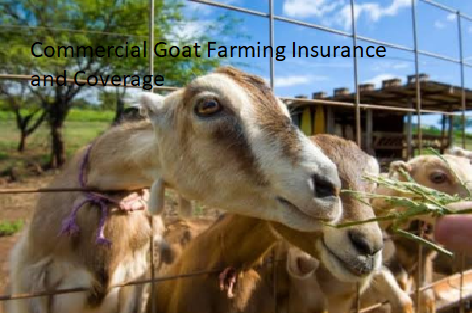
Navigating the complexities of commercial goat farming insurance and coverage is a critical step for any producer aiming to protect their capital investment and ensure long-term operational viability. Because livestock represent both a primary asset and a living, unpredictable variable, standard farm policies often fall short of providing the necessary financial safeguards.
Understanding these specific risks allows farmers to tailor their protection strategies to cover everything from herd health and facility damage to liability claims involving the public or neighboring properties. This article explores the specific mechanisms of risk transfer, helping you make informed decisions about your farm’s protection.
The average cost for a basic farm liability policy typically ranges between $750 and $2,500 annually, depending on the size of the herd and the scope of operations. Most commercial goat farming insurance and coverage plans are not monolithic; they are modular packages that allow you to add specific riders for livestock mortality, equipment breakdown, and loss of business income.
If your operation includes direct-to-consumer sales, agritourism, or milk processing, your premiums will trend toward the higher end of the spectrum due to increased foot traffic and product liability risks. It is essential to conduct a thorough risk assessment before requesting quotes to ensure you are not paying for unnecessary riders while leaving critical assets exposed.
Understanding Livestock Mortality Insurance
Livestock mortality insurance is the most direct form of protection for your primary capital assets. Unlike general liability, this policy provides a payout if an animal dies due to a covered peril, such as an accident, fire, lightning, or, in some cases, specific diseases.
Most insurers require a veterinary certificate or a detailed health history for high-value bucks and breeding does before binding coverage. The payout is usually based on the fair market value of the goat at the time of the loss, rather than the purchase price.
Because goat prices fluctuate based on genetics, age, and breed, you must keep meticulous records to ensure your coverage limits remain accurate. If you fail to update your policy after a significant investment in a new herd sire, you may find that the insurance payout is insufficient to replace the animal’s genetic potential.
Many underwriters utilize mortality tables to set premium rates, meaning that older animals or those in high-risk environments will cost more to insure. Always ask your agent if the policy covers “herd depletion” or if it is strictly limited to individual animal mortality.
General Liability and Premises Protection
General liability is the bedrock of commercial goat farming insurance and coverage, protecting you against claims of bodily injury or property damage to third parties. This is particularly vital if you host farm tours, sell milk on-site, or allow customers to interact with the goats.
Should a visitor trip on a fence line or suffer an allergic reaction to goat hair, your liability policy covers the legal fees and potential settlements. Without this coverage, a single lawsuit could easily exceed the total net worth of a small-to-medium-sized farm.
Beyond visitor safety, this coverage often extends to incidents involving your animals escaping their enclosures. If your goats wander onto a public roadway and cause a vehicle accident, the resulting liability can be catastrophic.
Many commercial policies include “care, custody, and control” clauses, which specify how your responsibility is defined when animals are being transported or are off-property for exhibitions. Ensure your policy limits are sufficient to cover current legal defense costs, which can escalate quickly even if the final ruling is in your favor.
Property and Equipment Coverage
Your barns, milking parlors, and heavy machinery represent a significant portion of your farm’s infrastructure value. Standard property insurance covers these assets against fire, windstorm, and theft, but you must ensure that the “replacement cost” versus “actual cash value” distinction is clear.
Replacement cost coverage is almost always preferable for farming operations, as it allows you to rebuild or replace infrastructure at today’s prices rather than receiving a depreciated amount. Be aware that most policies have specific exclusions for floods or earthquakes, which may require separate, specialized riders.
Equipment breakdown coverage is another essential component that is often overlooked until a vital piece of machinery fails. If your bulk tank cooling system breaks during a peak production cycle, the loss of milk could be financially devastating.
This specific coverage helps pay for the repair or replacement of mechanical and electrical equipment and can sometimes cover the loss of income resulting from the downtime. Consult the USDA Risk Management Agency for additional information on federal programs that may complement your private insurance portfolio.
Business Interruption and Income Protection
Business interruption insurance provides a safety net when an insured peril—such as a barn fire or a major disease outbreak—forces you to suspend operations. This coverage is designed to replace lost income, pay ongoing expenses like utility bills, and even cover employee payroll while the farm is being rehabilitated.
It is vital to estimate your “daily burn rate” accurately to determine the appropriate length of the indemnity period. Most policies offer coverage for 6 to 12 months, which is usually sufficient time to get a facility back up and running after a disaster.
Determining the exact value of your income protection requires a deep dive into your annual revenue streams. You should calculate your average net profit and fixed costs over the last three years to provide the insurer with a realistic figure.
If your revenue is highly seasonal, such as a farm that earns 80% of its profit during the spring kidding season, ensure your policy reflects this temporal risk. Some insurers offer “agreed value” policies that simplify the claims process by pre-setting the daily or monthly payout amount based on your historical tax records.
Specific Risks in Goat Farming Operations
Goat farming carries unique risks that distinguish it from cattle or poultry production. Goats are notorious for their agility and ability to challenge fencing, which increases the likelihood of straying and subsequent liability.
Furthermore, their susceptibility to specific parasites and respiratory illnesses means that disease-related losses can spread rapidly through a herd. Many standard insurance policies specifically exclude “contagious disease” unless you purchase a specialized rider, which can be expensive and difficult to obtain.
Environmental factors also play a massive role in your risk profile. If your farm is located in a high-predation area, such as near wooded corridors where coyotes or mountain lions reside, your policy might require specific fencing standards to remain valid.
Some insurers will even offer premium discounts for farms that utilize trained livestock guardian dogs or high-tensile electric fencing. It is important to document these risk-mitigation strategies and provide them to your insurance agent during the underwriting process to potentially lower your annual premiums.
Comparative Cost and Coverage Table
The following table provides a generalized overview of how different coverage types interact with your farm’s operational budget. Please note that these figures are estimates and vary wildly based on your state, farm size, and claims history.
| Insurance Type | Primary Purpose | Estimated Annual Cost |
|---|---|---|
| General Liability | Third-party injury and property damage | $750 – $2,500 |
| Livestock Mortality | Asset protection for animal loss | 2% – 5% of animal value |
| Property/Infrastructure | Barns, silos, and facilities | $1,000 – $4,000 |
| Equipment Breakdown | Repairing milking/processing gear | $300 – $800 |
| Business Interruption | Replacing lost revenue during downtime | $500 – $1,500 |
Steps for Securing the Best Policy
Securing the right commercial goat farming insurance and coverage starts with finding an agent who specializes in agricultural risks. A generalist agent may not understand the difference between dairy goat operations and meat goat production, leading to gaps in your policy.
Before your first meeting, gather your financial records, a detailed inventory of your livestock, and a map of your property. Transparency is your greatest asset; if you hide the fact that you host petting zoos or children’s birthday parties, the insurer can deny a claim for an injury that occurs during those events.
You should also request multiple quotes from at least three different carriers. Compare not just the premiums, but the “deductibles” and “exclusions” listed in the fine print. Ask specifically about how they handle “catastrophic loss” events.
If your entire herd is lost to a disease outbreak, you need to know if the policy provides a lump-sum payout or if it requires a complex, multi-year valuation process. Always aim for a policy that offers a “guaranteed replacement” clause for your critical buildings and high-value breeding stock.
Common Exclusions to Watch For
Understanding what is NOT covered is just as important as knowing what is. Most policies strictly exclude “pollution,” which can become an issue if your manure management system fails and leaks into a local water source.
You should also check for “animal cruelty” or “neglect” clauses; if an investigation finds that your management practices contributed to the loss, your claim will be denied. Additionally, standard policies rarely cover the depreciation of your herd’s market value due to changing industry trends or regulatory shifts.
Another major exclusion involves “product liability” if you are processing goat milk into cheese or yogurt. While your farm policy might cover the physical facility, you likely need a separate product liability policy to protect against claims of foodborne illness.
Check if your current provider offers a “package policy” that bundles these needs, as this is often more cost-effective than purchasing separate, standalone plans. Never assume that “farm insurance” is a catch-all; it is a collection of specific coverages that you must manually assemble.
Frequently Asked Questions
Is livestock mortality insurance worth the expense?
For high-value breeding stock or large commercial herds, it is often considered a necessary business expense. If the loss of a single animal would significantly impact your annual profit, you should prioritize this coverage.
What happens if my goats cause damage to a neighbor’s property?
General liability coverage is designed to handle these exact scenarios. As long as you were not acting with gross negligence, your policy should cover the legal defense and any damages awarded to the neighbor.
Can I insure my herd against disease outbreaks?
Standard mortality policies often exclude mass disease outbreaks. You may need to look for specialized livestock disease insurance or government-backed indemnity programs if you are operating in a high-risk area.
What documents do I need to get a quote?
You will typically need your most recent tax returns, a detailed inventory of all assets including equipment and buildings, current health records for your herd, and a description of any public-facing activities you host.
How often should I review my insurance policy?
You should review your coverage at least once per year or whenever you make a significant change to your operation. This includes buying new equipment, expanding your herd size, or changing your business model to include more agritourism.
Final Considerations for Producers
Managing risk through comprehensive commercial goat farming insurance and coverage is a foundational element of a sustainable agricultural business. By carefully selecting policies that address your specific operational vulnerabilities, you protect your hard-earned capital from unforeseen events that could otherwise force a premature exit from the industry. Prioritize high-impact areas like general liability and equipment protection first, then layer on mortality and business interruption coverage as your cash flow allows.
Regularly audit your insurance portfolio to ensure that your coverage limits keep pace with the growth of your herd and the appreciation of your assets. Taking these proactive steps provides the peace of mind necessary to focus on the daily success of your farming operation.
