

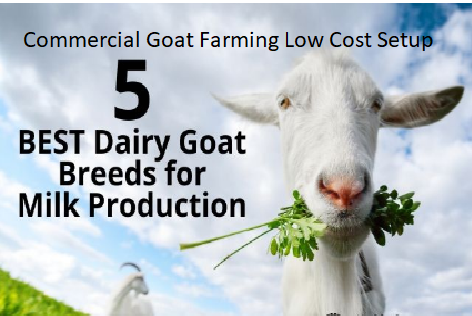
Executing a commercial goat farming low cost setup requires balancing minimal capital expenditure with high-efficiency management practices. By prioritizing repurposed materials, rotational grazing, and lean herd health protocols, you can significantly lower the barrier to entry while maintaining profitability. This article provides the technical details and financial considerations necessary to launch a sustainable operation without overleveraging your resources.
Establishing a viable commercial goat farming low cost setup typically requires an initial investment ranging from $3,000 to $8,000 for a small herd of 20 to 30 head, assuming you already possess basic land access. This figure covers essential infrastructure like temporary fencing, basic shelter, and initial medical supplies rather than expensive, permanent structures. By avoiding high-end construction and focusing on mobile assets, you keep your debt-to-equity ratio low during the critical first two years of operation.
Strategic Land Use and Infrastructure
The most significant expense in any livestock operation is usually permanent housing and heavy-duty fencing. A low-cost approach replaces these with rotational grazing systems using portable electric netting. This allows you to manage vegetation growth while simultaneously fertilizing the soil, reducing the need for purchased feed.
You can construct functional shelters using recycled pallets, corrugated metal sheets, or repurposed shipping containers. These structures must prioritize ventilation and protection from prevailing winds rather than aesthetic appeal. A three-sided shed is often sufficient for most climates, provided it keeps the goats dry and off the cold ground during winter months.
Optimizing Herd Selection for Profit
Choosing the right breed is foundational to a low-cost business model. Hardier, parasite-resistant breeds like the Kiko or Spanish goat often outperform high-maintenance dairy breeds in low-input environments. These animals have evolved to thrive on brush and forage, which reduces your reliance on expensive concentrated grains.
Source your foundation stock from local breeders who raise animals in similar environmental conditions. Purchasing animals that are already acclimated to your specific climate saves you the cost of treating illnesses brought on by environmental stress. Focus on acquiring healthy, productive does rather than expensive show-quality stock, as the bottom line depends on kids produced per year.
Essential Equipment and Tools
Minimalism is the guiding principle when outfitting your farm with equipment. You do not need automated milking parlors or high-capacity grain silos to start a commercial operation. Basic manual tools for hoof trimming, vaccination, and grooming are all that is required for the first phase of growth.
Invest in a reliable, portable squeeze chute or a simple head gate for handling animals safely. This prevents injury to both the handler and the goat, which is critical for maintaining herd health. A small investment in high-quality, durable equipment often pays for itself within the first season by reducing veterinary costs associated with injury or poor handling.
Managing Feed Costs Through Rotational Grazing
Feed often accounts for up to 60% to 70% of total operating costs in conventional systems. By implementing a strict rotational grazing schedule, you can keep your goats on fresh pasture year-round in many climates. This practice not only provides superior nutrition but also breaks the life cycle of internal parasites.
Divide your available land into small, manageable paddocks using lightweight, solar-powered electric fencing. Move your herd every 2 to 4 days depending on forage density and growth rate. This intensive management mimics natural browsing patterns and keeps the goats healthy without the need for expensive supplements or constant medical intervention.
Financial Comparison of Setup Models
Understanding the difference between traditional and low-cost setups helps in making informed decisions about resource allocation. The following table highlights the disparity in capital requirements for a standard 30-goat operation.
| Expense Category | Traditional Setup | Low-Cost Setup |
|---|---|---|
| Housing | $10,000+ | $800 – $1,500 |
| Fencing | $5,000+ | $600 – $1,200 |
| Feed Storage | $3,000+ | $200 – $500 |
| Handling System | $2,500+ | $400 – $800 |
Health Management and Disease Prevention
A proactive approach to health is far cheaper than reactive veterinary care. Establish a strict biosecurity protocol that includes quarantining any new animals brought onto the property for at least 30 days. This practice prevents the introduction of contagious diseases that could decimate a small herd.
Maintain a simple, clean workspace for vaccinations and routine checkups. Keep a detailed log of every animal, including their birth date, breeding history, and any medical treatments administered. For detailed guidance on managing livestock health, consult the resources provided by the USDA Animal and Plant Health Inspection Service.
Income Streams and Market Diversification
Diversifying your revenue streams ensures that a downturn in one market segment does not jeopardize the entire business. While selling meat kids is the primary goal for many, you can augment your income through various secondary channels. This keeps your cash flow steady even during off-seasons.
- Sale of breeding stock to local hobbyists or new farmers
- Selling goat manure as high-quality, organic compost
- Providing brush management services for local landowners
- Direct-to-consumer meat sales through local farmers’ markets
- Selling hides or fiber if the breed is appropriate
Frequently Asked Questions
How many acres do I need for 30 goats?
In a well-managed rotational grazing system, you can often keep 30 goats on as little as 3 to 5 acres of high-quality pasture. The actual requirement depends heavily on your local rainfall, soil fertility, and the type of forage available for browsing.
Is it possible to start with just one or two goats?
While you can start small, goats are herd animals and suffer from significant stress if kept alone. It is highly recommended to start with at least three animals to maintain their social stability and physical health, which ultimately affects their productivity and growth rates.
How do I handle predator control on a budget?
Livestock guardian dogs are the most effective long-term solution for predator control in a commercial goat farming low cost setup. While there is an upfront cost to training and feeding a dog, it is significantly cheaper than the recurring loss of kids or expensive, high-voltage perimeter fencing.
What is the biggest hidden cost in goat farming?
The biggest hidden cost is usually high mortality rates due to internal parasites and inadequate mineral supplementation. Failing to account for these factors leads to stunted growth and high replacement costs, which can quickly erode the thin margins of a budget-focused operation.
How long until a goat farm becomes profitable?
Most commercial operations begin to see a positive return on investment within 24 to 36 months of operation. This timeline assumes you are reinvesting profit into the herd’s growth and minimizing debt by utilizing low-cost infrastructure and home-grown forage.
Building Long-Term Sustainability
A successful commercial goat farming low cost setup relies on your ability to adapt to changing market conditions and environmental challenges. By keeping your overhead low and your management skills sharp, you create a buffer against the volatility of the agricultural market. Focus on building a healthy, productive herd that requires minimal outside intervention, as this is the ultimate indicator of a sustainable business model.
As you move forward, keep a close watch on your feed costs and herd health metrics, as these are the two levers you can pull to improve your margins. Document your success and failures to refine your operation every season. With consistent effort and a focus on keeping your expenses lean, you will find that a commercial goat farming low cost setup can provide a reliable stream of income while allowing you to build significant agricultural equity.
