

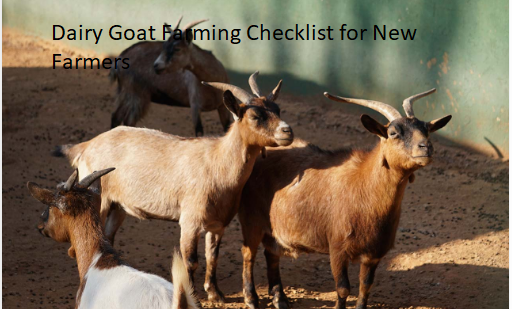
Starting a successful operation requires a detailed dairy goat farming checklist for new farmers to manage daily chores and long-term business goals. You must balance animal husbandry with financial planning to ensure your small-scale dairy remains sustainable and productive over time.
Establishing a reliable infrastructure is the first priority when you begin your operation. You need a secure, dry barn that protects your herd from drafts and predators throughout the winter months. Most experts recommend at least 15 square feet of indoor space per goat to prevent overcrowding and stress.
Essential Startup Requirements
Your primary focus involves securing the land, the animals, and the legal permits required for raw milk sales.
Check your local zoning laws early, as many municipalities have specific restrictions on livestock density in residential or semi-rural areas. You should also source a reputable veterinarian who specializes in small ruminants before your first doe arrives.
* Secure fencing (woven wire at least 48 inches high)
* Dry, draft-free shelter with proper ventilation
* Quality hay and access to fresh, clean water
* Mineral blocks formulated specifically for goats
* Milking stand for hygienic extraction
* Record-keeping system for health and breeding
Managing Herd Size and Breed Selection
New farmers often ask how many goats they should start with to minimize risk. Starting with two or three does is ideal because goats are herd animals that suffer from extreme loneliness if kept in isolation. You can scale up once you understand the daily time commitment required for milking and barn maintenance.
Breeds like the Nubian are popular for beginners because their milk has a high butterfat content, which is excellent for cheese production. Conversely, Alpine or Saanen goats are known for higher milk volume, which might suit a farmer focused on selling fluid milk. Research your local market demand before choosing a breed to ensure you can sell your product effectively.
Financial Planning for Your Dairy
Profitability in this sector rarely happens overnight, so you need a realistic budget for your first year.
Feed costs typically represent the largest ongoing expense, often accounting for 60% to 70% of your total operating budget. You must also factor in the cost of equipment, such as stainless steel buckets, filters, and refrigeration units.
| Expense Category | Estimated Annual Range |
| :— | :— |
| Supplemental Feed | $250 – $400 per goat |
| Veterinary & Vaccines | $50 – $150 per goat |
| Fencing & Infrastructure | $1,000 – $3,000 initial |
| Licensing & Inspections | $200 – $500 initial |
| Milking Equipment | $300 – $800 initial |
Establishing Health Protocols
Goats are susceptible to internal parasites, particularly in humid climates where barber pole worms thrive. You should implement a fecal testing schedule to monitor parasite loads rather than relying on blanket deworming treatments. This approach prevents drug resistance and keeps your herd healthier in the long run.
Your veterinarian should provide a vaccination schedule that covers common regional threats like Clostridium perfringens types C and D. Keep a detailed medical log for each individual goat, including dates of hoof trimming, vaccinations, and kidding events. Proper documentation is vital if you intend to sell offspring or participate in official breed registries.
Designing an Efficient Milking Routine
Hygiene is the most critical factor in producing high-quality dairy products that pass local health department standards.
You must ensure your milking area is easy to clean and remains free of dust or debris during the process. Always use a pre-dip and post-dip teat solution to prevent mastitis and keep the udder skin supple.
The milking process usually takes between 10 and 20 minutes per goat depending on the animal’s temperament. You should establish a consistent time every morning and evening to maintain production levels and prevent udder discomfort. If you are interested in industry standards, you can review the American Dairy Goat Association guidelines for official performance testing and milk production records.
Fencing and Predator Control
Predators like coyotes, stray dogs, and bobcats pose a significant threat to small herds.
A heavy-duty perimeter fence is your first line of defense, but many successful farmers also employ livestock guardian dogs or donkeys. These animals provide an extra layer of security and can significantly reduce your stress levels during the night.
Ensure your fence is tight enough to prevent goats from sticking their heads through, which leads to injury or entanglement. Check the bottom of the fence line regularly for gaps caused by soil erosion or digging animals. A well-maintained fence saves you from the heartbreak of lost livestock and the expense of emergency repairs.
Managing Nutrition and Pasture
Goats are browsers by nature, preferring shrubs and woody plants over simple grass pastures.
You should provide high-quality alfalfa or grass hay to supplement their grazing, especially during the winter months. Always offer a loose mineral mix that contains copper, as goats have specific dietary needs that standard sheep or cattle minerals do not meet.
Avoid overgrazing your pastures by implementing a rotational system where goats are moved to fresh plots every few days. This cycle breaks the life cycle of parasites and allows the vegetation to recover before the herd returns. If you have limited acreage, look into intensive management techniques that maximize the yield of your available land.
Marketing Your Dairy Products
Selling milk, cheese, or yogurt requires an understanding of local cottage food laws and dairy processing regulations.
Some states allow for raw milk sales with minimal oversight, while others require expensive facility certification for any dairy product sales. Start by selling soap or lotion made from goat milk, as these items often have fewer regulatory barriers than food products.
Engage with your local community through farmers’ markets to build a loyal customer base. Transparency is your best marketing tool; invite customers to see your farm and meet the goats.
When people understand the effort required to produce high-quality milk, they are generally willing to pay a premium price for your goods.
Addressing Common Questions
How much time does daily milking take?
You should allocate about an hour for milking two to three goats, including the time required for cleaning equipment. This timeframe increases as your herd grows and you incorporate more complex sanitation steps into your routine.
Is it possible to be profitable as a small-scale farmer?
Profitability is achievable if you focus on value-added products like artisan cheese or high-quality skincare items. Selling raw milk alone often has thin margins, so diversifying your product line is the most reliable path to financial success.
What is the biggest mistake new farmers make?
The most common error is failing to plan for the “dry” period when goats are not producing milk. You must account for the costs of feeding your herd even when they aren’t generating revenue, which requires careful cash flow management.
How do I handle breeding and kidding?
Breeding should be timed so that your kidding season aligns with your personal schedule and market demand. You need a dedicated, warm area for does to give birth and a plan for managing bucklings if you don’t intend to keep them for breeding.
Do goats require a lot of daily maintenance?
Goats are relatively low-maintenance compared to cows, but they require daily interaction and observation. You must be prepared to check for signs of illness or injury every single time you visit the barn to feed or milk them.
Final Thoughts on Your Farm
Embarking on this journey requires patience, hard work, and a commitment to animal welfare. By following a structured dairy goat farming checklist for new farmers, you minimize common pitfalls and build a stable foundation for your operation. Focus on the health of your herd first, and the quality of your products will naturally follow.
Start small, learn from every mistake, and keep your business plan flexible as you gain experience with your animals. Your success as a producer depends on your ability to adapt to the specific needs of your herd and your local market. Reach out to local agricultural extension offices or established breeders to continue your education and refine your management techniques for the seasons ahead.
