

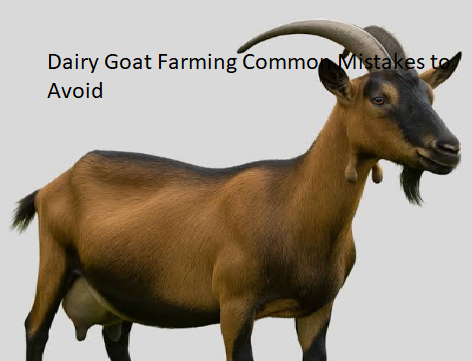
Avoiding dairy goat farming common mistakes requires a blend of rigorous planning, animal husbandry knowledge, and financial foresight. Many beginners enter the industry expecting quick returns, only to find that the daily requirements of milking and herd management are far more taxing than anticipated.
By understanding the pitfalls early on, you can establish a sustainable operation that remains profitable over the long term. This article examines the critical errors new farmers make and provides actionable strategies to ensure your herd thrives while your business remains stable.
Underestimating Initial Infrastructure Costs
One of the most frequent dairy goat farming common mistakes is failing to accurately budget for the physical infrastructure required before the first goat even arrives. Beginners often assume that a simple shed will suffice, but dairy goats require specific housing to maintain health and milk quality. You must account for proper ventilation, which is vital to preventing respiratory issues like pneumonia that thrive in damp, stagnant air.
Building a milking parlor is another area where costs frequently spiral out of control. You need a dedicated, sanitary space that is easy to clean and allows for efficient handling of the animals. If you attempt to retrofit an old, unsuitable barn without proper planning, you will likely spend more on repairs and modifications than you would have on a purpose-built structure.
Furthermore, fencing is a major, often overlooked expense. Dairy goats are notorious escape artists that require high-quality, woven-wire fencing to remain secure and protected from predators. Budgeting for heavy-duty posts and tensioning systems is non-negotiable for a professional setup.
Ignoring Biosecurity and Herd Health Protocols
New farmers often bring animals onto their property without a quarantine period, which is a recipe for disaster. Introducing a single animal carrying Caseous Lymphadenitis (CL) or Caprine Arthritis Encephalitis (CAE) can infect your entire herd within months. These diseases are notoriously difficult to eradicate once they gain a foothold in your barn.
Always demand health records and test results from previous owners before purchasing any goat. It is safer to buy from a closed herd that has a clear history of regular testing for common viral and bacterial pathogens. If you cannot verify the status of a herd, you should assume the animals are potential carriers.
Establishing a relationship with a large animal veterinarian before an emergency occurs is essential. You need a professional who understands the specific needs of dairy goats, as they differ significantly from cattle or sheep. Keep a detailed medical log for every individual animal, noting vaccinations, deworming cycles, and any signs of illness.
Failing to Balance Nutritional Requirements
Feeding goats is not as simple as throwing hay into a trough. Many owners make the mistake of providing only low-quality forage, which results in poor milk production and lackluster body condition. Dairy goats, especially high-producers, require a carefully calculated diet of high-quality alfalfa or grass hay supplemented with grain or minerals.
Mineral deficiencies are a silent profit killer in the dairy goat industry. Goats require specific ratios of copper, selenium, and zinc, which vary depending on your local soil conditions. Without proper mineral supplementation, you will notice issues like brittle hair coats, reproductive failure, and increased susceptibility to parasites.
Water access is equally critical to milk volume. A lactating doe will consume significantly more water than a non-lactating animal, often requiring up to 3 to 5 gallons per day. If your water source is not clean, accessible, and unfrozen during the winter, milk production will drop immediately.
Mismanaging Breeding Cycles and Milking Schedules
Dairy goats are seasonal breeders, which means your milk supply will naturally fluctuate throughout the year. A common error is breeding all your does at the exact same time, leading to a massive milk surplus in the spring and a total drought in the winter. Staggering your breeding schedule allows you to maintain a more consistent year-round supply for your customers.
Consistency in the milking parlor is the cornerstone of a healthy udder. If you vary your milking times by even a couple of hours, you risk stress to the animal and a decrease in total yield. High-producing dairy breeds like the Alpine or Saanen require strict adherence to a twice-daily schedule to prevent mastitis.
You must also account for the dry period, which is the time when a doe is not being milked as she prepares for her next kidding. Many beginners forget to factor in this six-to-eight-week window, which effectively cuts off their income stream. Plan your herd size so that you always have enough animals in milk to meet your contractual or personal obligations.
Inadequate Record Keeping and Business Planning
Operating without a formal business plan is a primary reason many small farms fail within the first two years. You need to track every penny spent on feed, vet bills, bedding, and equipment. If you do not know your cost of production per gallon of milk, you cannot price your product effectively.
Detailed records should go beyond finances to include individual performance data for every doe. You should track the following metrics for each animal:
- Daily milk yield per lactation cycle
- Butterfat and protein content percentages
- Frequency and duration of heat cycles
- History of kidding ease and mothering ability
- Individual feed consumption rates
Using this data allows you to make informed decisions about which animals to keep and which to cull. Keeping a low-producing doe is a drain on your resources that you simply cannot afford if you want your farm to be commercially viable.
Overlooking Market Research and Regulations
Before you produce a single gallon of milk, you must understand the legal landscape of your region. Regulations regarding raw milk sales vary wildly by state and country, and ignoring them can lead to heavy fines or the permanent closure of your business.
Check the guidelines provided by the U.S. Food and Drug Administration regarding dairy product safety standards.
Marketing your products requires a different skill set than animal care. You need to identify who your target customer is: are you selling raw milk, pasteurized milk, or processed products like cheese and yogurt? Each of these paths has different equipment requirements and licensing hurdles that you must navigate.
Do not assume that because you have a quality product, customers will automatically find you. You need to build a brand presence in your local community, whether through farmers’ markets, social media, or direct-to-consumer delivery services. Understanding the demand in your area prevents you from overproducing milk that you have no way to sell.
Neglecting the Physical Demands of the Job
Dairy goat farming is a 365-day-a-year commitment that offers very little downtime. Many people enter this field romanticizing the lifestyle, only to experience burnout when they realize they cannot take a vacation without a reliable, trained farm sitter. The physical labor involved in hauling hay, cleaning stalls, and hand-milking is significant.
If your setup is not ergonomically designed, you will face long-term health issues like back strain or repetitive motion injuries. Invest in equipment that makes the work easier, such as elevated milking stands or automated feeding systems. Even simple changes, like the placement of heavy water buckets, can save your joints over a decade of work.
Mental fatigue is just as real as physical exhaustion. When you are dealing with a difficult birth in the middle of the night or a sudden outbreak of illness, the stress can be overwhelming. Ensure you have a support system in place, whether that is a partner, a mentor, or a local farming cooperative.
Comparison of Key Operational Costs
Understanding where your money goes is vital for long-term success. The following table provides an estimate of how annual costs typically break down for a small-scale dairy goat operation with ten milking does.
| Expense Category | Estimated Annual % of Budget | Primary Focus |
|---|---|---|
| Feed and Supplements | 45% | High-quality hay, grain, minerals |
| Veterinary and Medical | 15% | Testing, vaccines, emergency care |
| Infrastructure Maintenance | 15% | Fencing, barn repair, equipment |
| Marketing and Licensing | 10% | Permits, packaging, promotion |
| Utility Costs | 15% | Water, electricity for parlor |
Frequently Asked Questions
Is dairy goat farming profitable for beginners?
Profitability depends entirely on your scale, your local market demand, and your ability to control overhead costs. While it is possible to make a profit, most beginners find that they break even for the first few years while building infrastructure and developing a customer base. Success requires treating the farm as a business rather than a hobby.
What is the biggest disadvantage of goat milk?
The primary disadvantage is the shorter shelf life and the specific flavor profile that some consumers find “goaty” if the milk is not handled correctly. Proper cooling, cleanliness during milking, and avoiding buck proximity are essential to producing high-quality milk that appeals to a wider market.
What does baking soda do for goats?
Baking soda serves as a digestive buffer for goats. It helps regulate the pH levels in their rumen, which is especially important if they are grazing on lush pasture or consuming high-grain diets. Providing free-choice baking soda is a simple, inexpensive way to prevent digestive upset.
How many acres do you need to raise 100 goats?
While goats can be kept in smaller pens, a general rule of thumb for sustainable grazing is one to two acres per 10 to 15 goats, depending on the quality of your forage. For 100 goats, you would ideally want at least 10 to 20 acres to allow for rotational grazing and to prevent overgrazing, which leads to soil erosion and parasite buildup.
Conclusion
Developing a successful enterprise in this field requires diligence and a willingness to learn from the mistakes of others. By addressing the infrastructure, health protocols, and financial planning challenges early on, you position your farm for long-term viability. Remember that dairy goat farming common mistakes are often the result of rushing the process or failing to respect the biological needs of the animals.
Take your time to build a solid foundation, focus on high-quality animal husbandry, and always prioritize the health of your herd. As you refine your processes and grow your customer base, your commitment to excellence will become the primary driver of your farm’s success. Reach out to local agricultural extensions or experienced producers to gain hands-on experience and build a network that will support your journey.
