

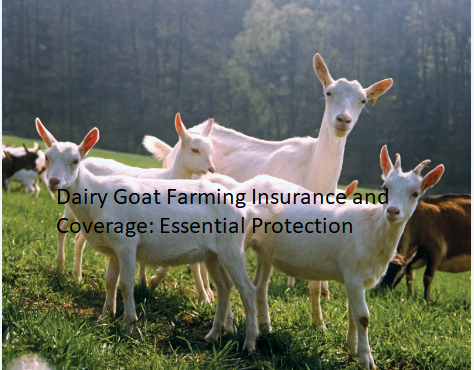
Managing a commercial operation requires a deep understanding of dairy goat farming insurance and coverage to protect your herd and your livelihood. Unexpected losses from disease outbreaks, severe weather events, or equipment failure can threaten the financial viability of a farm in a single season.
By securing specialized policies, farmers move beyond basic property protection into comprehensive risk management that addresses the unique volatility of livestock agriculture. This article examines the specific components that constitute an effective safety net for goat producers, helping you identify which protections are necessary for your business model and scale.
The Baseline Cost of Livestock Protection
For most small-to-medium dairy goat operations, you should expect to pay between 1% and 3% of the total value of your herd annually for basic mortality coverage. This percentage fluctuates based on your geographic location, the biosecurity measures you have in place, and the specific breed value of your goats. If you are operating a high-value herd of registered Alpine or Saanen goats, premiums will be higher because the replacement cost for top-tier genetics is significantly greater than that of commercial-grade animals. Most insurers require a professional appraisal or a verified purchase price to establish the “sum insured” for each animal.
Core Policy Types for Goat Producers
Standard farm owner policies rarely cover the full scope of risks associated with specialized dairy goat farming insurance and coverage. You generally need to layer different types of policies to ensure you are fully protected against both physical and financial threats. Mortality insurance is the most common, providing a payout if an animal dies due to accident, illness, or disease. However, this does not cover the loss of milk production or revenue if your herd is quarantined due to a reportable disease like scrapie or brucellosis. You must look for “business interruption” riders that specifically account for the loss of dairy income during a forced shutdown.
Understanding Livestock Mortality Coverage
Mortality insurance functions similarly to a term life insurance policy for your animals. It provides a death benefit if a covered goat dies during the policy period, provided the death was not caused by negligence or excluded conditions. Many policies include “named peril” coverage, which specifically lists risks like fire, lightning, windstorm, or theft. For a more comprehensive approach, “all-risk” mortality coverage protects against almost any cause of death unless it is explicitly excluded in your contract. You should always review the exclusion list, as many standard policies do not cover death resulting from pre-existing conditions or lack of adequate veterinary care.
Liability Protection for Farm Operations
Liability is perhaps the most significant risk for any farm that interacts with the public or supplies food products to the market. If a customer visits your farm for an agritourism event or a raw milk pickup and sustains an injury, your general farm liability policy serves as your primary defense. This insurance covers legal fees, medical costs, and potential settlements arising from bodily injury or property damage claims. If you sell processed dairy products like cheese or yogurt, you must also consider product liability insurance. This protects your business if a consumer claims your product caused illness, which is a major concern for those operating in the artisanal dairy sector.
The Role of Crop and Forage Insurance
Dairy goat farming is inherently tied to the land, meaning your feed supply is a major asset. If you grow your own alfalfa, hay, or grains, your dairy goat farming insurance and coverage strategy must include crop protection. Federal programs, such as those overseen by the USDA Risk Management Agency, offer various insurance products that protect against yield losses caused by natural disasters. Drought, excessive moisture, and unseasonable frost can destroy your feed inventory, forcing you to purchase expensive market-rate hay. Having a policy that covers the value of your stored forage ensures that your dairy production remains stable even when the harvest fails.
Evaluating Risks by Farm Category
The specific risks you face often depend on the size and scope of your dairy operation. A hobby farm with five goats has vastly different insurance requirements than a commercial dairy processing 500 gallons of milk per day. Below is a breakdown of common categories that require distinct insurance considerations:
- Herd Mortality: Coverage for the loss of individual animals due to accident or sudden disease.
- Product Liability: Essential for farms processing milk into cheese, yogurt, or soap for retail.
- Property Damage: Protection for milking parlors, cooling tanks, and specialized pasteurization equipment.
- Business Interruption: Financial support for lost income if you are forced to stop milking due to an outbreak.
- Worker’s Compensation: Mandatory if you employ seasonal labor or full-time farmhands to assist with milking.
Data Comparison of Coverage Costs
When budgeting for insurance, it helps to look at how different assets impact your overall premium. The following table illustrates how different components of a dairy goat operation influence the total cost of insurance coverage.
| Asset Category | Risk Level | Estimated Annual Premium Impact |
|---|---|---|
| Basic Herd Mortality | Moderate | 1.5% – 2.5% of herd value |
| Commercial Milking Equipment | Low | 0.5% – 1.0% of replacement cost |
| Product Liability (Cheese/Retail) | High | Varies by volume ($500 – $2,500+) |
| Farm Buildings (Parlor/Barns) | Moderate | 0.8% – 1.5% of insured value |
Managing Biosecurity as an Insurance Tool
Insurance companies often reward proactive risk management with lower premiums or better terms. If you can demonstrate that your farm follows rigorous biosecurity protocols, you are a lower-risk client to insure. This includes maintaining a closed herd, implementing strict quarantine procedures for new arrivals, and keeping detailed health records for every goat. Providing an insurance agent with a documented health plan can sometimes lead to a 5% to 10% discount on your mortality premiums. It shows the underwriter that you are actively working to prevent the very losses that the policy is designed to cover.
Frequently Asked Questions
Does standard farm insurance cover dairy goats?
Most standard farm policies cover goats as “livestock property,” but this usually only pays out for the loss of the animal due to fire or theft. It rarely covers the death of a goat due to illness, nor does it provide coverage for the loss of milk income. You typically need to add a specialized livestock endorsement to your policy to get comprehensive protection for your dairy herd.
Is it possible to insure a goat for its milk production value?
Yes, some specialty agricultural insurers offer “loss of use” or revenue-based coverage for high-producing dairy animals. This is distinct from mortality insurance and requires detailed records of your milk yields and sales history. It is generally more expensive than basic mortality coverage and is primarily utilized by large-scale commercial dairies.
How do I prove the value of my goats for insurance purposes?
You should maintain a detailed ledger of purchase prices, pedigree certifications, and veterinary records for every animal you wish to insure. If you are breeding high-value animals, keep records of show awards and production milk testing results. Having this documentation ready allows your insurer to set an accurate “agreed value” for each animal rather than relying on a generic market average.
Are there insurance policies for goat milk contamination?
Product liability insurance is the primary tool for managing the risk of milk contamination or foodborne illness. If your milk is found to contain pathogens or other contaminants, this insurance helps cover the costs of product recalls and legal defense. It is highly recommended for any farm that sells raw milk or produces value-added dairy products like cheese.
Can I insure my milking equipment against mechanical failure?
Yes, equipment breakdown coverage can be added to your farm policy to protect against the cost of repairing or replacing complex milking systems. This is particularly important for automated milking parlors where a single computer failure can halt your entire production line. Without this, you might be covered for the repair, but not for the lost income caused by the downtime.
Conclusion
Securing the right dairy goat farming insurance and coverage is a foundational step in building a resilient agricultural business. By balancing herd mortality policies with liability and business interruption coverage, you create a financial buffer that allows you to focus on production rather than potential catastrophes. Start by assessing the replacement value of your herd and the specific liability risks associated with your sales channels. Consult with an agricultural insurance specialist who understands the nuances of livestock management to ensure your policy reflects the current reality of your farm. Investing in these protections now prevents a minor health issue or equipment failure from becoming a permanent end to your operation. Reach out to a local broker today to start comparing quotes tailored to your unique farm size and production goals.
