

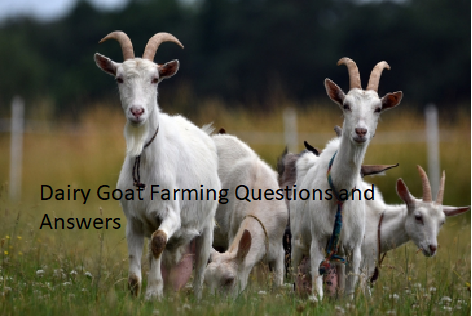
Navigating the complexities of dairy goat farming questions and answers is essential for anyone considering a transition into small-scale livestock production. Whether you are aiming to supply a local creamery or simply provide fresh milk for your household, understanding the biological and financial realities of the industry will determine your long-term success.
By addressing specific concerns regarding herd management, breed selection, and infrastructure requirements, you can build a sustainable operation that thrives under varied conditions. This analysis provides the technical insights necessary to manage your herd effectively while avoiding common pitfalls that plague new producers.
Initial Herd Management and Planning
When you begin researching dairy goat farming questions and answers, the most common inquiry concerns the amount of land required for a profitable setup. A standard rule of thumb is that you can comfortably house six to eight dairy goats per acre of well-managed pasture.
This density assumes you are utilizing rotational grazing, which prevents overgrazing and minimizes parasite loads in the soil. If your land is dry or lacks forage quality, you must supplement with hay to maintain production levels.
Managing a herd requires more than just space; it demands a clear understanding of the animal’s life cycle. A dairy goat typically reaches sexual maturity between seven and ten months of age, though most breeders wait until the animal is at least one year old or reaches 80% of its adult weight before breeding.
This delay ensures the doe has enough physical development to handle the metabolic stress of pregnancy and subsequent lactation. Proper weight monitoring during this phase is critical to preventing long-term growth stunting.
Infrastructure needs are often underestimated by beginners entering the dairy sector. You must provide a draft-free, dry shelter that offers at least 15 square feet of indoor space per goat.
Bedding material such as straw or wood shavings needs to be kept clean to prevent mastitis and other udder infections. Additionally, your milking parlor must be designed for hygiene, featuring smooth, washable surfaces and a reliable water source for sanitizing equipment between milkings.
Breed Selection Criteria
Choosing the right breed depends heavily on your specific production goals and local market demand. The most common dairy breeds in North America include the Alpine, Saanen, Nubian, Toggenburg, LaMancha, Guernsey, and Oberhasli.
Each of these animals offers distinct characteristics regarding milk volume, butterfat content, and temperament. For example, the Saanen is widely recognized as the “Holstein of the goat world” due to its high volume of milk production, while the Nubian is prized for its high butterfat content, which is ideal for cheesemaking.
The following table summarizes the typical performance metrics of popular dairy goat breeds to help you make an informed decision:
| Breed | Average Daily Milk (Liters) | Butterfat Content | Primary Characteristic |
|---|---|---|---|
| Saanen | 3.5 – 5.0 | 3.0% – 3.5% | High volume |
| Nubian | 2.5 – 3.5 | 4.5% – 5.0% | High butterfat |
| Alpine | 3.0 – 4.5 | 3.2% – 3.8% | Hardiness |
| LaMancha | 2.8 – 4.0 | 3.8% – 4.2% | Calm temperament |
When evaluating these breeds, consider the climate of your region. Alpine and Toggenburg goats are historically from mountainous regions and often handle cooler, wetter climates better than breeds with thinner coats.
Always source your foundation stock from breeders who participate in DHIR (Dairy Herd Improvement Registry) testing. This provides you with verifiable data on milk production and health history, rather than relying on anecdotal promises of high output.
Nutritional Requirements and Feed Efficiency
Feeding a dairy goat is a balancing act between providing enough energy for milk production and maintaining rumen health. A lactating doe requires a diet consisting of high-quality forage, such as alfalfa or orchard grass, supplemented by a balanced concentrate ration.
You should aim for a protein content of 16% to 18% in the grain mix during the peak of lactation. Monitoring the body condition score (BCS) of your goats weekly allows you to adjust feed inputs before a drop in milk production occurs.
Water quality is the most overlooked aspect of dairy goat nutrition. A single lactating doe can consume between two and four gallons of water daily, depending on the temperature and her production volume.
If the water is dirty or unpalatable, the goat will drink less, leading directly to a reduction in milk volume. Installing automatic waterers with a heating element for winter months is an investment that pays for itself in consistent production.
Mineral supplementation is equally vital for preventing metabolic diseases in your herd. Dairy goats require a loose mineral mix specifically formulated for goats, containing adequate levels of copper, selenium, and zinc.
Never use sheep minerals, as the copper content is toxic to them; conversely, goats have a high requirement for copper that, if unmet, results in poor coat quality and reduced fertility. Always place these minerals in a protected, accessible location where they stay dry and free of fecal contamination.
Managing Lactation Cycles
Understanding the lactation curve is fundamental to managing dairy goat farming questions and answers regarding long-term productivity. A typical dairy goat will remain in milk for 305 days per year after freshening, followed by a mandatory two-month dry period.
This dry period is non-negotiable, as it allows the doe to replenish her body reserves and prepares the udder tissue for the next cycle. Skipping the dry period almost always results in lower production in the subsequent lactation.
Peak production usually occurs within four to six weeks after kidding. After this point, you will notice a gradual decline in the daily yield, which is a normal biological process.
To keep production levels consistent across the year, many commercial farms implement a staggered breeding schedule. By breeding different groups of does at different times, you ensure that you have a steady supply of milk throughout the year rather than a seasonal glut followed by a shortage.
Handling the buck is another essential component of managing your breeding cycle. Keeping a buck on-site can be a source of constant odor and management headaches, which is why many small-scale farmers opt for artificial insemination or leasing a buck.
If you do keep a buck, ensure he is housed in a separate enclosure with sturdy fencing, as his instinct to reach does in heat is remarkably strong. Always keep him well-fed, but be aware that an over-conditioned buck may become lazy and less fertile.
Health and Biosecurity Protocols
Biosecurity is the primary defense against devastating herd losses. You must maintain a closed herd whenever possible to prevent the introduction of common diseases like Caprine Arthritis Encephalitis (CAE) and Caseous Lymphadenitis (CL).
If you must introduce new animals, they should be quarantined for at least 30 days in a separate area of the farm. During this time, perform blood tests to ensure they are free from infectious diseases that could spread to your existing stock.
Vaccination schedules should be developed in consultation with a local veterinarian who understands the specific disease pressures in your region. Most farms routinely vaccinate against enterotoxemia and tetanus, often referred to as the CD&T vaccine.
This is typically administered to kids at 4 to 6 weeks of age, followed by a booster. Keep detailed medical logs for every animal, noting dates of vaccination, deworming, and any treatments for illness.
Parasite management is a constant battle in goat farming, particularly in humid environments. You should utilize the FAMACHA scoring system, which involves examining the color of the mucous membranes in the lower eyelid to check for anemia caused by stomach worms.
This method allows you to treat only the animals that need it, which slows the development of drug-resistant parasite populations. Over-reliance on chemical dewormers has led to widespread resistance, making management-based approaches more effective than ever.
Infrastructure and Equipment Costs
The initial capital expenditure for a dairy goat operation varies widely depending on your existing assets. If you already have a barn, your primary costs will involve retrofitting the space with milking stanchions and storage areas. A basic single-head milking stanchion can be built for a few hundred dollars, whereas a professional-grade stainless steel parlor system can cost several thousand.
For more technical guidance on the standards required for raw milk handling, visit the U.S. Food and Drug Administration website.
Your milking equipment needs to be kept in pristine condition to ensure milk quality. Stainless steel buckets, filters, and cooling tanks are the industry standard because they are easy to sanitize.
You should invest in a high-quality teat dip, as this is the single most effective tool for preventing the spread of mastitis-causing bacteria. Always store your cleaning supplies in a dedicated cabinet away from the milking area to avoid any risk of chemical contamination.
Electricity and plumbing are often the hidden costs of a professional dairy operation. You need reliable power for your milking machines, cooling units, and potentially specialized lighting to manipulate day length for breeding.
Plumbing should include a dedicated wash-down area with hot water access, as cold water is insufficient for removing milk fats from equipment. Budgeting for these utilities early in your planning phase prevents the “surprise” expenses that frequently derail new farm projects.
Financial Viability and Revenue Streams
Diversifying your income sources is the best way to ensure the financial health of your dairy goat farm. While selling raw milk is a common entry point, you may face regulatory hurdles depending on your local state laws.
Many producers find that value-added products like goat cheese, yogurt, or soap offer significantly higher profit margins than selling fluid milk alone. These products can be sold at farmers’ markets, farm stores, or through subscription-based CSA programs.
Consider the following potential revenue streams for a small-scale dairy goat farm:
- Sale of raw or pasteurized fluid milk (where legally permitted)
- Artisan goat cheese production (chevre, feta, or aged varieties)
- Sale of goat milk soap and skincare products
- Sale of registered breeding stock or wethers for brush control
- Manure sales to local gardeners as high-quality compost
Labor costs are the most significant expense in any dairy operation. If you are doing the milking yourself, you must calculate the value of your time into the cost of production.
If you plan to hire help, you must account for payroll taxes, insurance, and the training time required to ensure they follow your sanitation protocols. Efficient parlor design is the best way to reduce labor hours, as it allows you to milk more goats in less time with less physical strain.
Common Regulatory and Legal Considerations
Operating a dairy farm involves navigating a complex web of local, state, and federal regulations. You must first determine if you need a Grade A permit, which is required for selling milk across state lines or in retail stores.
Most small-scale producers operate under “on-farm” or “herd share” agreements, which have specific legal requirements that vary by jurisdiction. Never assume that your neighbor’s business model is legal for you; always consult with your local department of agriculture.
Zoning laws can also impact your ability to operate, especially if you are located near residential areas. You may need specific permits for waste management, particularly regarding how you handle manure runoff to prevent water contamination.
Local ordinances regarding odor and noise are common, and proactive communication with your neighbors can help mitigate potential complaints. Keeping your property clean and well-maintained is the best way to stay in the good graces of your local community.
Insurance is a non-negotiable expense for any commercial farming operation. You will need general liability insurance to protect against injuries to visitors or employees, as well as product liability insurance if you are selling processed goods like cheese.
Some farmers also choose to invest in crop or livestock insurance to protect against the loss of their herd due to disease or natural disasters. Review these policies annually, as your risk profile will change as your herd size and product line grow.
Frequently Asked Questions
How long will a dairy goat produce milk?
A healthy dairy goat will typically produce milk for 305 days per year, following a two-month dry period. Some high-producing does may remain in milk for longer, but consistent annual cycles are better for long-term health.
What are the seven breeds of dairy goats?
The seven primary dairy breeds are the Alpine, Saanen, Nubian, Toggenburg, LaMancha, Guernsey, and Oberhasli. Each has unique traits regarding milk volume, butterfat content, and physical adaptability to different climates.
What are some fun facts about dairy goats?
Goats have rectangular pupils that provide them with a 320-degree field of vision, helping them spot predators. They are also highly intelligent, social animals that can learn their names and even solve complex puzzles.
How many acres do you need to raise 100 goats?
For 100 goats, you generally need between 12 and 16 acres of high-quality, well-managed pasture. This allows for effective rotational grazing, which is necessary to maintain forage health and minimize parasite accumulation.
What is the biggest challenge for beginners?
The most common hurdle is managing the high labor requirement and the strict sanitation standards needed for milk production. Many beginners underestimate the daily commitment required to keep a herd healthy and a parlor clean.
Conclusion
Success in this field relies on your ability to combine animal husbandry with disciplined business management. By focusing on the nutritional needs of your herd, strictly adhering to biosecurity protocols, and diversifying your income through value-added products, you can build a resilient operation. Remember that dairy goat farming questions and answers are rarely static; as your herd grows and your market changes, you must remain adaptable.
Consistent data collection and a commitment to high standards will serve you far better than any shortcut. If you are ready to begin, start by sourcing healthy foundation stock and building a robust infrastructure that supports your long-term goals. Your journey into the world of dairy goat farming starts with these foundational steps, leading to a rewarding and sustainable enterprise.
