

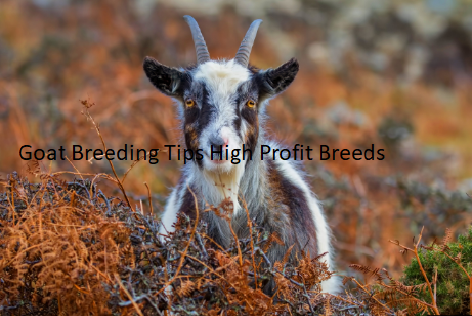
Mastering goat breeding tips high profit breeds requires a shift in focus from hobby farming to targeted agricultural production. While many beginners start with common dairy or meat breeds, maximizing your return on investment depends on understanding market demand, genetic selection, and specialized animal care.
By selecting high-value stock and managing your herd with precision, you can generate consistent revenue streams through milk, meat, or high-quality fiber sales. This article details the specific strategies and breed characteristics that move a farm from a casual interest to a viable, income-generating business model.
Identifying High-Profit Goat Breeds
Profitability in the goat industry is rarely accidental; it follows specific market niches where demand consistently outstrips supply. If your goal is maximizing profit, you must look beyond general-purpose animals and focus on breeds that excel in a particular commodity.
For meat production, the Boer goat remains the industry standard due to its rapid weight gain and superior carcass quality. A well-bred Boer buck can be sold for several thousand dollars, while kids reach market weight faster than almost any other breed.
Dairy goat operations, conversely, often favor the Alpine, Nubian, or Saanen breeds. These animals are prized for their high milk yield and butterfat content, which are essential for artisanal cheese and soap production.
If you are interested in luxury textiles, the Angora or Cashmere goat provides a premium fiber that fetches a high price per pound. Choosing a breed that aligns with your local infrastructure—such as proximity to a creamery or a specialized meat processor—is the first step toward long-term financial stability.
Financial Benchmarks for Successful Breeding
Understanding the economics of goat farming is essential for anyone looking to implement effective goat breeding tips high profit breeds. On average, a high-producing dairy goat can yield between 1,500 and 2,500 pounds of milk per lactation cycle.
Meat goats, particularly those sold for ethnic markets, often see price spikes during specific religious holidays when demand for quality goat meat is at its peak. You should track your feed-to-gain ratio, as this is the single largest variable cost in your operation.
Most successful producers aim for a feed cost that does not exceed 40% to 50% of the total revenue generated per head. Keeping detailed records of breeding dates, kidding intervals, and veterinary expenses will help you identify which does are paying their way and which are merely occupying stall space.
A profitable doe should consistently produce twins or triplets, as a single kid rarely covers the annual maintenance costs of the mother. Aiming for a 1.8 to 2.0 kid-per-doe average is a common benchmark for high-performing commercial herds.
Market Demands and Revenue Streams
The most successful farms diversify their income to avoid relying on a single commodity. You can maximize your profit by selling breeding stock, registered kids, raw milk, or processed artisanal products like goat cheese or yogurt.
Many breeders find that selling registered offspring provides a significantly higher profit margin than selling animals for meat. This requires maintaining strict documentation and participating in breed association programs, which adds credibility to your genetics.
- Registered Breeding Stock: Highest profit margin but requires rigorous health and pedigree records.
- Artisanal Dairy Products: High value-add potential, but requires significant investment in processing equipment and health permits.
- Meat Production: Consistent, high-volume demand, particularly if you target direct-to-consumer or ethnic market outlets.
- Fiber Sales: Long-term storage potential, allowing you to wait for favorable market prices.
- Manure/Compost: An overlooked secondary income stream that can offset feed costs for small-scale operations.
Infrastructure and Herd Management
High-profit breeding relies on a healthy, stress-free environment that maximizes the natural potential of your animals. You need a secure, well-ventilated barn that protects against extreme weather and predators.
Proper fencing is perhaps the most important infrastructure investment, as roaming goats are prone to injury and disease. Using woven wire or high-tensile electric fencing keeps your herd contained while allowing for rotational grazing, which reduces parasite loads and feed costs.
Nutritional management is the secret to high-fecundity rates. A doe in poor condition will not cycle properly, leading to missed breeding windows and lost income.
Ensure your herd has constant access to clean water and a balanced mineral supplement tailored to the specific nutrient deficiencies of your local soil. You can learn more about proper livestock management through the USDA Natural Resources Conservation Service, which offers extensive resources on sustainable grazing practices.
Breeding Cycles and Genetic Selection
Implementing professional goat breeding tips high profit breeds requires you to act as a genetic manager rather than just a caretaker. You should avoid inbreeding at all costs, as it leads to diminished health, smaller size, and lower milk production.
Instead, invest in a high-quality buck or use artificial insemination to introduce superior genetics into your herd. Keep a detailed breeding calendar to manage your kidding dates so that you aren’t overwhelmed during the busiest months of the year.
Focus on selecting traits like udder conformation, structural soundness, and temperament. A doe with a poorly attached udder will struggle to produce milk and may suffer from mastitis, which is costly to treat.
Structural soundness is especially important for meat breeds, as they need to carry significant weight throughout their lives. By selecting for these traits over several generations, you create a herd that is not only more productive but also more resilient to environmental challenges.
Managing Veterinary Costs and Biosecurity
Disease prevention is far cheaper than medical treatment. High-profit operations maintain strict biosecurity protocols to prevent the introduction of common ailments like caseous lymphadenitis or caprine arthritis encephalitis.
You should quarantine any new animal for at least 30 days before integrating it into your main herd. Regular hoof trimming and parasite management are essential, as these two issues are the most frequent causes of productivity loss in commercial goat farming.
| Cost Category | Annual Average per Head (USD) | Impact on Profit |
|---|---|---|
| Quality Forage/Grain | $150 – $250 | High |
| Routine Veterinary Care | $30 – $60 | Medium |
| Breeding/Registration Fees | $20 – $100 | Variable |
| Mineral/Salt Supplements | $10 – $20 | Low |
Keep your vet on speed dial but focus on preventative health. A clean, dry environment reduces the need for antibiotics and other medications.
If you notice a drop in milk production or weight gain, investigate the cause immediately. Early intervention often prevents a minor health issue from becoming a herd-wide epidemic that wipes out your profit margins.
Scaling Your Operation for Profit
Scaling up requires a transition from manual labor to automated systems. As your herd grows, you will need to invest in better milking machines, automatic waterers, and efficient feeding systems.
Scaling too quickly can lead to a breakdown in animal care, which is why most experts recommend growing your herd by no more than 20% to 30% per year. This allows you to adjust your infrastructure and management style while maintaining high standards of health.
Focus on your “cost per head” as you expand. Larger herds can benefit from economies of scale, such as buying feed in bulk or negotiating better prices for veterinary services.
However, you must ensure that your labor costs do not balloon along with your herd size. If you find yourself spending more time managing logistics than improving your genetics, you have likely reached the limit of your current management capacity.
Frequently Asked Questions
What is the most profitable goat breed for beginners?
For those just starting out, the Kiko or Boer breed is often considered the most profitable for meat production due to their hardiness and high demand. If you prefer dairy, the Nubian is popular for beginners because of their high-fat milk, which is ideal for cheese making and has a very loyal customer base.
How many goats do I need to make a full-time income?
Profitability depends entirely on your business model and local market prices. Generally, a commercial dairy operation requires at least 50 to 100 milking does to support a single person, whereas a high-end breeding operation selling registered stock might only require 20 to 30 head to achieve similar revenue.
How do I identify high-quality breeding stock?
Look for structural soundness, a calm temperament, and a history of high production in the animal’s pedigree. Avoid animals with physical defects, such as crooked legs or poor udder attachment, as these traits are often passed down to offspring and will decrease your herd’s overall value.
Is it better to sell meat or breeding stock?
Selling breeding stock almost always offers a higher profit margin because you are selling the potential of the animal’s genetics. However, this market is more competitive and requires a significant investment in reputation and record-keeping, whereas the meat market offers faster, more reliable cash flow.
How do I manage parasites without overusing medication?
Implement rotational grazing to break the parasite life cycle, as goats are highly susceptible to worms. Use the FAMACHA system to monitor anemia levels in your herd, which allows you to treat only the animals that truly need it rather than blanket-treating the entire group.
Conclusion
Success in the livestock industry is built upon a foundation of careful planning, consistent management, and a deep understanding of your chosen market. By applying the specific goat breeding tips high profit breeds discussed here, you can position your farm to take advantage of the growing demand for quality goat products. Remember that your greatest assets are your records and your commitment to genetic improvement.
Start small, focus on the health of your initial herd, and allow your business to scale naturally as your expertise grows. With the right strategy, your investment in high-value genetics will yield returns for years to come. Feel free to reach out to local agricultural extension offices for resources tailored to your specific region as you begin your journey.
