

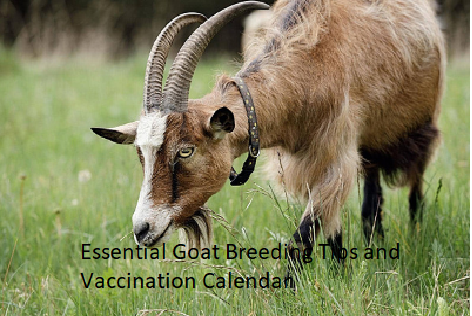
Managing a healthy herd requires more than just basic feed and shelter, as a well-planned goat breeding tips vaccination calendar serves as the backbone of your operation. By aligning your reproductive cycles with a consistent health protocol, you ensure that both your does and their kids remain resilient against common environmental pathogens.
This approach minimizes losses during the critical kidding season and helps you maintain higher productivity levels year after year. Understanding how to integrate these two essential pillars of goat husbandry will save you from emergency veterinary costs and long-term herd health struggles.
The primary goal of a goat breeding tips vaccination calendar is to align your herd’s immunity with the most vulnerable stages of their lifecycle. For most producers, the core of this strategy revolves around the CDT vaccine, which protects against Clostridium perfringens types C and D, as well as Tetanus. You must administer this shot to does approximately four to six weeks before kidding.
This timing is crucial because it ensures that the antibodies pass through the colostrum to the newborn kids. Providing this protection during the final month of gestation gives the dam time to build up a high level of passive immunity.
Understanding the Vaccination Schedule
A standard vaccination schedule is not a one-size-fits-all document, but rather a framework you adjust based on your local disease prevalence. The most critical component is the CDT vaccine, which is non-negotiable for anyone serious about animal health. You should follow a rigid schedule for the entire herd, not just the pregnant does.
For adult goats, an annual booster is generally recommended to keep their immune system primed. If you live in an area with high soil-borne bacteria, your veterinarian might suggest more frequent intervals for tetanus coverage.
When planning your breeding, you must account for the 21-day estrous cycle of your does. If you synchronize your breeding dates, you can effectively group your vaccinations to ensure every animal receives its booster at the right time. For example, if you aim for a spring kidding season, you should plan your vaccinations to occur in late winter.
Failing to vaccinate before the breeding season can leave does vulnerable during the stressful period of pregnancy. Always consult your local Cooperative Extension Service for regional advice on specific risks like Caseous Lymphadenitis or Sore Mouth, which may require additional vaccines.
Managing Breeding Milestones
Breeding success depends heavily on the nutritional status of your does prior to the buck being introduced. Known as “flushing,” this process involves increasing the nutritional intake of your does about two to three weeks before breeding. A higher plane of nutrition can lead to increased ovulation rates and better conception success.
Keep in mind that a stressed or malnourished doe will struggle to maintain a pregnancy, regardless of the buck’s quality. You should monitor the body condition score (BCS) of your does, aiming for a score of 3 out of 5 on the standard scale.
Recording these milestones is just as important as the physical labor of breeding. Keep a notebook or digital spreadsheet where you track the buck’s introduction date, the expected kidding date, and the dates of all vaccinations. If you notice a doe returning to heat, you need to adjust your expected kidding window immediately.
Having this data organized allows you to prepare your kidding kits, which should include iodine for umbilical cords, clean towels, and milk replacer. Preparation prevents panic when the first kid arrives in the middle of the night.
The Role of Nutrition in Reproductive Health
Reproductive health and immunity are intrinsically linked to the minerals your goats consume daily. A high-quality, free-choice loose mineral supplement designed specifically for goats is mandatory. Unlike sheep, goats require higher levels of copper, and they are prone to deficiencies that can cause weak kids or poor breeding performance.
If your soil is deficient in selenium, you might see “white muscle disease” in newborn kids, which manifests as muscle weakness and heart failure. Providing the right mineral mix throughout the year is a silent form of preventative medicine.
During the gestation period, the nutritional demands on the doe increase significantly, especially in the final trimester. You should transition them to high-quality forage or hay to support fetal development without causing digestive upsets. Avoid sudden changes in diet, as these can trigger bloat or acidosis, which are life-threatening to both the doe and the fetuses.
If you are using a goat breeding tips vaccination calendar, ensure that the vaccination dates do not coincide with major dietary shifts. Keeping the routine stable reduces cortisol levels, which in turn supports a stronger immune response.
Key Vaccination Milestones
| Life Stage | Vaccination/Action | Timing |
|---|---|---|
| Pregnant Doe | CDT Booster | 4-6 weeks pre-kidding |
| Newborn Kid | First CDT Dose | 8-10 weeks of age |
| Weaned Kid | CDT Booster | 4 weeks after first dose |
| Bucks | Annual CDT | Once per year |
Addressing Common Breeding Challenges
Many breeders struggle with “silent heats,” where a doe shows no outward signs of estrus despite being ready to breed. This can often be traced back to environmental factors, such as extreme heat or a lack of exposure to a buck. Introducing a buck to the fence line of the does can often trigger a hormonal response that brings them into heat.
If you are struggling with low conception rates, consider having your buck’s semen tested by a veterinarian. A sterile or sub-fertile buck can waste an entire season of effort for your herd.
Another common challenge is the presence of internal parasites, which can deplete a doe’s energy reserves. Parasites like Haemonchus contortus (barber pole worm) can cause anemia and significantly lower a doe’s ability to carry a pregnancy to term. Use the FAMACHA system to check the color of the inner eyelid to determine if a goat is anemic.
Do not indiscriminately deworm, as this leads to drug-resistant parasites. Focus your breeding program on selecting for animals that demonstrate natural parasite resistance.
Structuring the Kidding Season
Once the breeding is done, your focus shifts to the upcoming kidding season. You should move pregnant does to a clean, dry, and draft-free area roughly two weeks before their due date. This area must be sanitized to reduce the risk of environmental pathogens like E. coli or Clostridium.
Providing a clean environment is the best way to complement the protection provided by the vaccinations. Ensure that the does have easy access to water, as they will drink significantly more once they begin lactating.
Watch for the physical signs of impending labor, such as a loose tail head, a sunken abdomen, and a full udder. Some does will exhibit nesting behavior, pawing at the straw or separating themselves from the rest of the herd. If a doe has been in active labor for more than an hour without progress, you must be prepared to intervene.
Having a vet’s number on speed dial is part of any responsible breeder’s protocol. Never hesitate to call for help if you feel something is wrong; it is always better to be safe than to lose a kid or a doe.
Post-Kidding Care and Immunity
After the kids are born, the most important task is ensuring they receive colostrum within the first hour of life. This “first milk” is packed with the antibodies the doe developed from your vaccination schedule. If a kid is too weak to nurse, you must milk the dam and bottle-feed the colostrum immediately.
This window of absorption is short, and once it closes, the kid’s ability to gain passive immunity drops sharply. Keep a supply of frozen, high-quality goat colostrum on hand just in case a doe rejects her kids.
Once the kids reach 8 to 10 weeks of age, they are ready for their first CDT vaccination. This is a critical milestone because their passive immunity from the mother is beginning to wane. You must follow up with a booster shot four weeks later to ensure long-lasting protection.
Without this two-dose series, the kids remain vulnerable to enterotoxemia, a rapid and often fatal condition. Marking these dates on your calendar ensures you never miss the window for these essential doses.
Maintaining Herd Records for Success
Record-keeping is the difference between a casual hobbyist and a successful breeder. You should maintain a permanent file for every animal, including their birth date, dam and sire, and all medical treatments. If you notice a specific doe has recurring health issues or poor mothering skills, this data helps you make an informed decision about culling.
Breeding should always focus on the most productive and healthy animals in your herd. Use your records to identify which lines are producing the best growth rates and the strongest immune systems.
Consistent documentation also makes it easier to sell your goats to other breeders. Prospective buyers want to know that they are purchasing healthy animals from a well-managed herd. Providing a document that shows the vaccination history and breeding performance adds significant value to your livestock.
It proves that you have followed a legitimate health program and are not selling animals with unknown health backgrounds. Transparency in your record-keeping builds trust within the goat farming community.
Frequently Asked Questions
How often do I need to give the CDT vaccine?
Adult goats should receive a booster shot once every year to maintain immunity. Pregnant does should receive a booster four to six weeks before they are expected to kid to ensure the kids receive passive antibodies.
Can I vaccinate my pregnant does at any time?
It is safest to stick to the recommended window of four to six weeks before kidding. Vaccinating too early might result in lower antibody levels in the colostrum, while vaccinating too late might not give the doe enough time to respond to the vaccine.
What is the 3-2-1 rule for goat vaccines?
The 3-2-1 rule is a common guideline for deworming and parasite management rather than vaccines. It generally suggests checking three areas of the goat, using two different methods for identification, and one primary treatment strategy, but always confirm specific protocols with your vet.
Do goats need a tetanus shot separately?
The standard CDT vaccine already includes protection against tetanus, which is why it is the gold standard for goat owners. If a goat suffers a deep puncture wound and has not had a booster recently, a vet might recommend an additional tetanus toxoid or antitoxin.
When is the best month to breed goats?
Most goats are seasonal breeders and will cycle when the days get shorter, typically from late summer through early winter. However, some breeds, such as Nigerian Dwarfs, can breed year-round depending on the climate and light exposure.
Final Thoughts on Herd Health
Building a sustainable operation requires patience, diligence, and a commitment to preventive care. By following a structured goat breeding tips vaccination calendar, you take the guesswork out of herd management and provide your animals with the best chance at a healthy life.
Remember that every animal in your care relies on your ability to plan ahead and respond to their needs with timely interventions. Whether you are managing a small homestead herd or a larger commercial operation, the principles of regular vaccination and careful breeding remain the same.
Stay observant, keep your records updated, and never underestimate the value of a clean, well-managed environment. As you become more familiar with the rhythms of your herd, you will find that these tasks become second nature rather than a burden.
If you have questions about specific health issues in your area, reach out to a local veterinarian or agricultural advisor to refine your strategy. Your dedication to these practices will result in a stronger, more resilient herd that thrives for years to come.
