

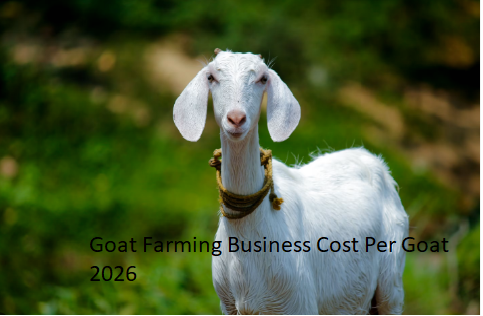
Managing a profitable livestock operation requires a clear understanding of the financial inputs involved in your daily activities. When analyzing the goat farming business cost per goat 2026, producers must account for rising feed prices, veterinary expenses, and infrastructure maintenance. These figures fluctuate significantly based on your regional climate, the specific breed you choose, and your overall management style.
By breaking down these variables into actionable categories, you can build a sustainable financial model that withstands market volatility. This analysis provides the specific data points needed to estimate your annual expenditure per animal while identifying key areas where efficiency can improve your bottom line.
For a typical commercial operation in 2026, the annual maintenance cost per goat generally ranges from $150 to $250 per head. This estimate encompasses essential inputs like supplemental feed, routine vaccinations, deworming protocols, and basic mineral supplementation.
High-intensity systems that rely heavily on imported grain will push toward the upper end of this spectrum, while pasture-based systems with well-managed rotational grazing can stay closer to the lower end. Initial capital expenditures for housing and fencing are separate from these annual operating costs, though they remain critical to your total business investment.
Understanding Feed and Nutrition Expenses
Feed represents the largest recurring expense in your budget, often accounting for 60% to 70% of your total operational costs. In 2026, hay prices have stabilized but remain higher than historical averages, reflecting increased fuel and fertilizer costs for forage production.
If you are purchasing alfalfa or high-quality grass hay, expect to pay between $8 and $14 per bale, depending on your location and local harvest conditions. A standard mature goat consumes approximately 3% to 4% of its body weight in dry matter daily.
Mineral supplementation is a non-negotiable cost that directly impacts herd health and reproductive success. Goats require specific trace minerals, particularly copper, which is often deficient in many regional soil types.
You should budget roughly $15 to $25 per goat annually for high-quality loose minerals and salt blocks. Attempting to save money by omitting proper mineral programs almost always results in higher veterinary bills or decreased kidding percentages.
Concentrates or grain rations are used primarily for lactating does or finishing kids for market. Depending on current commodity prices, a bag of high-protein goat feed can fluctuate between $18 and $26 per 50-pound sack.
Minimizing grain usage through effective pasture management is the most direct way to reduce your goat farming business cost per goat 2026. Prioritizing browse species like multiflora rose or brambles can significantly offset the need for expensive store-bought supplements.
Medical and Veterinary Overhead
Maintaining a healthy herd is essential for preventing catastrophic losses that can bankrupt a small operation. Routine medical costs include annual vaccinations for common diseases such as enterotoxemia and tetanus.
These vaccines are relatively inexpensive, typically costing $2 to $5 per dose when purchased in bulk. You must also account for the cost of syringes, needles, and proper sharps disposal containers.
Parasite management is the most significant variable in your medical budget. Resistance to common dewormers is a growing problem, forcing many farmers to invest in fecal egg count testing kits or professional laboratory services.
A single fecal analysis can cost between $15 and $30, and you may need to run these tests multiple times per year for your most valuable animals. Implementing a FAMACHA scoring system is a free, effective way to reduce the frequency of chemical deworming.
Emergency veterinary care is difficult to budget for, but you must maintain a reserve fund. A single farm call can easily exceed $150 before any treatment or medication is administered.
It is highly recommended to learn basic procedures like hoof trimming, kidding assistance, and intramuscular injections to handle minor issues yourself. Keeping a well-stocked medical kit with electrolytes, antiseptic sprays, and antibiotics will save you hundreds of dollars in unnecessary service fees.
Infrastructure and Housing Requirements
Initial site development is a significant part of your startup budget, though it is often amortized over several years. Fencing is the most critical infrastructure investment, as goats are notorious for testing boundaries.
A high-tensile, woven-wire fence with a top electric strand is the industry standard for predator protection. Expect to pay between $3 and $6 per linear foot for materials if you are installing the fence yourself.
Shelter requirements for goats are relatively modest compared to other livestock, but they must be dry and draft-free. A simple three-sided structure oriented away from prevailing winds is usually sufficient for most climates.
Depending on your building materials—such as repurposed pallets, metal roofing, or lumber—you can spend anywhere from $500 to $2,000 for a shed capable of housing 20 to 30 goats. Ensure your design allows for easy cleaning, as manure buildup is a primary source of respiratory issues in confined spaces.
Water systems represent another recurring cost that is often overlooked in initial estimates. Automated waterers are efficient but require plumbing and pressure regulation, which can cost $200 to $500 per installation.
If you rely on troughs, you must budget for the labor involved in daily scrubbing and refilling. Clean water is the cheapest growth stimulant available to your herd, so investing in a reliable system is always a sound financial decision.
Comparing Variable and Fixed Costs
Distinguishing between fixed and variable costs is essential for accurate financial planning. Fixed costs remain constant regardless of whether you have ten goats or one hundred.
Variable costs fluctuate directly with the number of animals you manage. Understanding this distinction helps you determine your break-even point for market sales.
| Cost Category | Typical Annual Range (Per Goat) |
| :— | :— |
| Supplemental Feed | $60 – $120 |
| Veterinary & Medicine | $20 – $50 |
| Mineral & Salt | $15 – $25 |
| Bedding & Supplies | $10 – $25 |
| Miscellaneous/Emergency | $45 – $30 |
| Total Estimated Cost | $150 – $250 |
This table provides a snapshot of the annual operating expenses for a commercial meat goat operation. Note that these figures exclude land taxes, equipment depreciation, and labor costs.
If you are leasing land, your per-goat costs will rise significantly due to the added rent burden. Always adjust these figures based on your specific local feed prices and regional veterinary rates.
Managing Labor and Management Time
Labor is the most difficult cost to quantify because many small-scale farmers do not pay themselves a wage. Even if you are a hobbyist, your time has an economic value that should be factored into your business model.
Efficient daily operations, such as centralized feeding stations and automatic gates, can reduce your time investment by up to 30%. A well-designed farm layout allows you to complete daily chores in under an hour for a herd of 50 animals.
During the kidding season, labor requirements triple or quadruple. You must be present to monitor for dystocia and ensure colostrum intake for newborns.
If you have to hire temporary help during these peak periods, factor in the cost of labor at current local hourly rates. Neglecting the value of your labor can mask the true profitability of your operation, making it appear more successful than it actually is.
Record-keeping software is a modern tool that saves significant time in the long run. Digital herd management platforms allow you to track breeding cycles, medical history, and feed consumption with precision.
While these services often require a monthly subscription, the insight they provide into your goat farming business cost per goat 2026 is invaluable for long-term growth. You can easily identify which does are underperforming and remove them from the herd.
Marketing and Sales Expenses
Selling your goats is the final step in the production cycle, and it carries its own set of costs. If you are selling at a local livestock auction, you must account for commission fees, which typically range from 3% to 5% of the sale price.
You also need to factor in the cost of fuel and trailer maintenance for transporting animals to the sale barn. These transport costs can be significant if you are driving long distances to reach a competitive market.
Direct-to-consumer sales, such as selling meat cuts or breeding stock, offer higher margins but require additional investment. You will need to pay for USDA-inspected processing fees, which in 2026 range from $150 to $300 per animal for slaughter and butchery.
Packaging materials, labels, and cold storage for processed meat are additional expenses that must be included in your pricing strategy. You can find more information on industry standards through the United States Department of Agriculture Agricultural Marketing Service.
Marketing your products online or through local farmer’s markets requires time and some financial investment. A simple website or professional social media presence can help you build a loyal customer base that pays premium prices.
While these costs are not strictly “per goat” expenses, they are part of the overhead required to make your enterprise profitable. Successful farmers treat these marketing expenses as a necessary investment in brand equity rather than a waste of money.
Strategies for Reducing Operational Costs
Improving profitability requires a focus on reducing waste and increasing the efficiency of your inputs. Rotational grazing is the most effective strategy for lowering your goat farming business cost per goat 2026.
By moving animals frequently, you maximize forage intake and reduce the time they spend on supplemental hay. This approach also naturally breaks the parasite cycle, reducing your reliance on chemical dewormers.
Genetics play a critical role in your ability to control costs. Selecting for animals that are naturally hardy and thrive on local forage will perform better than high-input breeds that require constant coddling.
Over time, a self-sustaining herd that requires minimal intervention will have a much lower cost profile than one that relies on expensive supplements. Keep detailed records to identify the most productive bloodlines in your herd.
Bulk purchasing of feed and mineral supplies can significantly lower your per-unit costs. If you have sufficient storage space, buying hay in the summer when prices are lower can save you 20% to 30% compared to winter prices.
Partnering with other local farmers to buy in bulk can also help you negotiate better rates with suppliers. Every dollar saved on inputs is a dollar added directly to your net profit margin.
Frequently Asked Questions
How many goats can I keep on one acre of land?
The stocking rate depends entirely on your soil quality, rainfall, and vegetation type. Generally, you can support 4 to 6 mature goats per acre under intensive rotational grazing, but you will need to supplement with hay during the winter months.
Does the breed of goat affect the cost per head?
Yes, high-production dairy breeds generally require significantly more concentrate feed and medical attention than hardy meat breeds like Kiko or Spanish goats. Your breed selection should align with your target market and available resources to keep costs manageable.
How much should I set aside for emergency veterinary bills?
A safe rule of thumb is to maintain an emergency fund equal to 10% of your total operating budget. For a small herd, having at least $500 to $1,000 in liquid cash specifically for animal emergencies will provide peace of mind and protect your investment.
Is it cheaper to raise kids from birth or buy stockers?
Raising your own kids allows you to control health protocols and genetics, but it requires a long-term investment in breeding stock and infrastructure. Buying stockers offers a faster turnaround for cash flow but exposes you to market price fluctuations and the risk of bringing disease onto your farm.
How often should I reassess my farming budget?
You should review your costs at least quarterly to ensure you are staying within your projections. Market conditions for feed and fuel change rapidly, and failing to adjust your budget mid-year can lead to unexpected financial strain when you least expect it.
Building a Sustainable Future
Achieving long-term success in this sector requires constant vigilance regarding your expenses and revenue streams. By maintaining a disciplined approach to your goat farming business cost per goat 2026, you can ensure that your operation remains viable regardless of external economic pressures.
Focus on building a healthy, resilient herd that utilizes the natural resources of your land while keeping input costs in check. The most successful producers are those who treat their farm as a business, tracking every dollar spent and every animal produced.
As you move forward, continue to refine your management systems and seek out new efficiencies. Your ability to adapt to changing market prices and environmental conditions will define your longevity in the industry. Start by auditing your current expenses and comparing them against the industry averages provided here.
With careful planning and consistent data collection, you can build a thriving enterprise that rewards your hard work and commitment. Feel free to reach out to local agricultural extension offices for resources specific to your region to further optimize your production cycle.
