

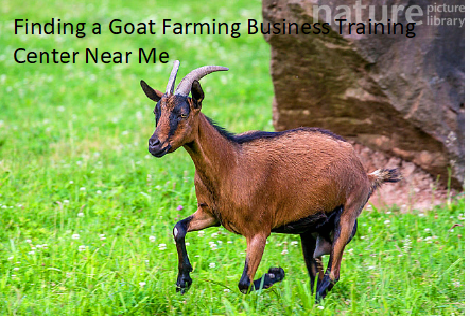
Locating a reliable goat farming business training center near me is the most critical first step for any aspiring livestock producer looking to minimize early-stage losses. While online resources offer basic theory, hands-on centers provide the practical skills necessary to manage herd health, nutrition, and market logistics effectively. You can usually find these facilities through your local agricultural extension office or state-run livestock development boards.
These institutions offer structured courses that cover everything from breed selection to advanced veterinary care. Investing time in a formal program prevents costly mistakes that often bankrupt new farmers in their first year of operation.
Finding a professional goat farming business training center near me typically involves contacting your regional university’s agricultural department or the local branch of the National Institute of Agricultural Extension Management. These organizations maintain databases of certified trainers and regional demonstration farms that host periodic workshops. You should specifically look for programs that offer at least three days of in-field experience rather than purely classroom-based lectures.
Most state-sponsored programs are heavily subsidized, making them significantly more affordable than private consulting firms. When you inquire, ask specifically about modules covering parasite management and hoof care, as these are the leading causes of mortality in small-scale herds.
Financial Realities of Starting
The initial capital required to launch a goat farm varies widely depending on your region and the scale of your operation. A hobbyist setup with five to ten goats can often be started with an investment of $2,000 to $5,000, excluding land costs. If you are planning a commercial venture with 50 or more head, you should expect to spend between $15,000 and $30,000 on infrastructure, fencing, and initial stock.
It is essential to account for the “hidden” costs of biosecurity, such as quarantine pens and specialized veterinary kits. Many training centers provide a detailed breakdown of these costs during their introductory workshops, helping you build a realistic business plan.
Essential Infrastructure Requirements
Housing goats requires careful attention to ventilation and predator protection, which are core topics in any reputable training curriculum. A standard shed must provide at least 12 to 15 square feet of floor space per adult goat to prevent overcrowding and stress. Flooring should be elevated or sloped to ensure drainage, as moisture buildup is the primary cause of respiratory issues in caprine species.
You must also invest in high-tensile woven wire fencing, which is the industry standard for keeping goats contained while excluding coyotes or stray dogs. Skipping these structural investments often leads to higher veterinary bills and loss of livestock within the first six months.
Herd Management and Nutrition
Nutrition accounts for approximately 60% to 70% of your ongoing operational expenses, making it the most significant variable in your profit margins. A goat farming business training center near me will teach you how to balance a diet consisting of high-quality forage, hay, and supplemental minerals. You will learn to identify toxic plants in your pasture, which can be fatal if ingested in large quantities.
Understanding the specific nutritional needs of pregnant does versus growing kids is vital for maintaining a healthy, high-producing herd. Developing a forage rotation plan is the most effective way to lower feed costs while maintaining soil health.
Health and Disease Control
Effective disease management relies on a proactive schedule of vaccinations and deworming, rather than reactionary treatment. You must learn to administer basic injections and recognize the symptoms of common ailments like Coccidiosis or Foot Rot early. Most training centers provide hands-on practice for checking FAMACHA scores, a simple diagnostic method for detecting anemia caused by barber pole worms.
Maintaining a clean, dry environment is your first line of defense against almost all common caprine pathogens. Keeping detailed health records for every individual animal is a legal requirement in many jurisdictions and a best practice for successful breeding programs.
Market Analysis and Sales
Profitability in the goat industry is driven by identifying your primary revenue stream early, whether it is meat, milk, or fiber production. Meat goats, such as the Boer breed, typically reach market weight between six and nine months of age, while dairy goats require a daily milking routine that demands significant labor. Selling directly to local ethnic markets or high-end restaurants can yield higher margins than selling through traditional livestock auctions.
You must understand the seasonal demand cycles, as prices often fluctuate significantly based on religious holidays and regional consumption patterns. A good business center will help you map out these supply chains to ensure you have a buyer before the kids are even born.
Training Resources Comparison
When evaluating where to seek training, you should compare the offerings of different institutions to see which aligns best with your goals. The following table highlights the typical differences between government-led workshops and private sector training programs.
| Feature | Government Extension | Private Consultant |
|---|---|---|
| Cost | Low (Subsidized) | High (Premium) |
| Curriculum | Standardized/Broad | Tailored/Niche |
| Networking | Peer-to-peer/Local | Industry/Professional |
| Duration | Short-term (1-3 days) | Long-term/Mentorship |
Common Startup Hurdles
New farmers often underestimate the physical labor involved in daily herd management, leading to burnout. You should prepare for the reality of 365-day-a-year chores, including kidding season, which often requires overnight monitoring. Selecting a breed that is well-adapted to your specific climate is the easiest way to reduce your management burden.
For example, Kiko goats are generally more parasite-resistant than other breeds, making them an excellent choice for humid environments. Always start with a small, manageable number of animals to learn the ropes before scaling up to a full commercial operation.
Frequently Asked Questions
How much land is needed for 100 goats?
Generally, you should allocate at least one acre for every 6 to 10 goats, depending on the quality of your pasture and your access to supplemental feed. If you are relying solely on grazing, you may need significantly more land to prevent overgrazing and soil erosion.
Are goats a profitable business?
Goats can be highly profitable, but success depends on your ability to manage feed costs and maintain a low mortality rate. Many farmers find success by diversifying their income through meat, milk, and breeding stock sales. For more information on livestock management standards, visit the United States Department of Agriculture for official guidance.
What is the biggest mistake new farmers make?
The most common error is failing to invest in proper fencing and shelter before bringing animals onto the property. Underestimating the time commitment for daily health monitoring is a close second, often leading to preventable losses.
Do I need a license to start a goat farm?
Requirements vary by state and municipality, so you should check with your local zoning board. You may need a permit for agricultural land use, and if you plan to sell raw milk, you will face strict health department regulations.
How do I find a mentor for goat farming?
Local 4-H clubs or agricultural extension agents are the best places to start your search for an experienced mentor. Attending regional livestock shows also provides a great opportunity to meet established producers who are willing to share their expertise.
Conclusion
Starting a successful livestock enterprise requires a blend of formal education and hands-on experience. By researching a goat farming business training center near me, you gain access to the technical knowledge needed to navigate the complexities of herd health and market demand. Remember that your success will be built on the quality of your infrastructure and your commitment to daily animal care.
Do not rush the process; take the time to learn from experienced practitioners in your area before investing significant capital. With the right foundation and a focus on sustainable management practices, you can build a thriving operation that serves your community and generates a consistent return on your investment.
