

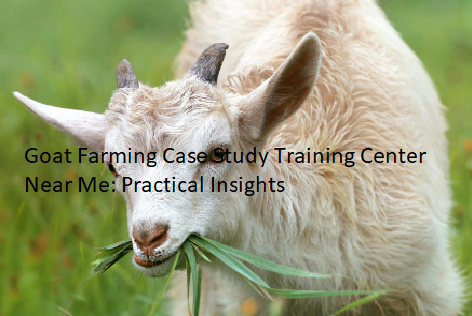
Locating a reliable goat farming case study training center near me is the most effective way to transition from a theoretical interest in livestock to a profitable agricultural enterprise. When you seek out hands-on facilities, you gain exposure to real-world variables like parasite management, breed selection, and pasture rotation that textbooks simply cannot replicate.
By observing a functioning operation, you learn to identify common pitfalls before they impact your own bottom line. This article provides the foundational knowledge required to evaluate such centers and start your own successful goat herd with confidence.
Finding a reputable goat farming case study training center near me typically involves checking with your local university agricultural extension office or regional livestock cooperatives. Most states operate land-grant universities that maintain experimental farms, which serve as the gold standard for unbiased, research-backed training.
You should expect to pay between $150 and $500 for a weekend intensive course that covers basic husbandry, fencing requirements, and health protocols. These programs often provide access to data from long-term studies regarding feed conversion ratios and milk production cycles that are essential for new farmers.
The Value of Experimental Farm Data
University-affiliated centers track specific metrics that help new farmers predict their return on investment. For instance, a typical case study will document the cost of supplemental feed versus the growth rate of meat-breed kids over a six-month period.
These figures allow you to build a realistic budget based on local forage quality rather than generic industry averages. You will likely find that managing a herd of 50 goats requires significantly different infrastructure than a hobbyist setup of five animals.
Evaluating Local Training Facilities
Not all training centers are created equal, so you should prioritize those that focus on commercial viability. Ask if the facility maintains a profit-and-loss statement for their herd, as this is the most useful case study you can analyze.
A center that ignores the business side of production will leave you unprepared for the actual market challenges of selling meat, milk, or fiber. Look for instructors who are active producers themselves, as they understand the daily pressures of maintaining a healthy, profitable animal population.
Key Metrics for Successful Goat Production
When you visit a training center, you must focus on the specific data points that determine profitability. The most successful operations track their mortality rates, weaning weights, and reproductive efficiency with precision.
You should ask to see records that demonstrate how they manage their herd health calendar throughout the year. Understanding these numbers is more important than knowing specific breeds, as management style dictates success more than genetics alone.
| Metric | Industry Standard Target | High-Performance Target |
|---|---|---|
| Kid Weaning Rate | 1.2 kids per doe | 1.8+ kids per doe |
| Mortality Rate | Under 10% | Under 5% |
| Feed Conversion Ratio | 6:1 | 4:1 |
| Average Daily Gain | 0.25 lbs/day | 0.45 lbs/day |
Infrastructure and Pasture Management
Proper land management is the backbone of any goat operation, and training centers will demonstrate how to maximize forage utilization. Most experts recommend a rotational grazing system to prevent parasite buildup and ensure the longevity of your pasture.
You will learn how to build cost-effective fencing, which is often the largest capital expense for beginners. A well-designed system allows you to divide your land into small paddocks that are grazed intensely for short periods.
Understanding Herd Health and Biosecurity
Biosecurity is a non-negotiable aspect of goat farming that training centers emphasize to protect your investment. You need to understand how to quarantine new animals and why keeping a closed herd is often the safest path for beginners.
Learning to recognize the early signs of common ailments like Coccidiosis or Barber Pole worm infestation can save your entire herd. The best training will involve hands-on demonstrations of how to perform basic medical tasks like hoof trimming and temperature checks.
Financial Planning for Goat Operations
Starting a goat farm requires an upfront investment in animals, equipment, and land preparation that can be substantial. You need to develop a business plan that accounts for seasonal price fluctuations in the meat market.
Many farmers find success by diversifying their income streams, such as selling breeding stock, manure, or value-added dairy products like soap or cheese. Understanding your local market demand is essential before you purchase your first buck or doe.
- Infrastructure costs including woven wire fencing and heavy-duty gates.
- Veterinary expenses for routine vaccinations and emergency care.
- Supplemental feed and mineral costs during the winter months.
- Marketing and transport costs associated with selling your livestock.
- Registration fees for breed associations and local agricultural permits.
Selecting the Right Breed
Choosing between meat, dairy, or fiber goats is the most critical decision you will make in your early planning stages. Meat breeds like Boer or Kiko are generally lower maintenance and better suited for pasture-based systems.
Dairy breeds such as Nubian or Alpine require significantly more labor, as they must be milked twice daily. You can find comprehensive resources on breed characteristics through the United States Department of Agriculture livestock reports.
Scaling Your Herd Responsibly
Many beginners make the mistake of buying too many goats at once before they have mastered the management of a smaller group. A common recommendation is to start with a small foundation herd of 5 to 10 does to learn the ropes of kidding and weaning.
Scaling up too quickly can overwhelm your pasture capacity and lead to increased disease pressure. As your skills improve, you can retain your best-performing female offspring to expand the herd naturally without the risks of bringing in outside pathogens.
Advanced Breeding and Genetics
Once you have established a healthy baseline, you can begin to focus on genetic improvement to increase your production metrics. Selecting for traits like parasite resistance and faster growth rates can significantly improve your bottom line over several years.
You might consider participating in performance testing programs that rank bucks based on their offspring’s growth data. This data-driven approach is what separates professional operations from casual hobbyists.
Common Pitfalls to Avoid
New farmers often underestimate the impact of internal parasites, which remain the number one cause of loss in many regions. Failing to implement a fecal egg count program can lead to widespread resistance against standard dewormers.
Another frequent error is neglecting to build a strong relationship with a large-animal veterinarian before an emergency occurs. Establishing a professional connection early ensures that you have support when you need to make critical decisions about herd health.
The Role of Market Research
Your location dictates your market, and you must understand whether you are selling to local ethnic markets, high-end restaurants, or direct-to-consumer buyers. Prices for goat meat can vary by as much as 30% depending on the religious holidays and seasonal demand in your region.
You should spend time at livestock auctions to observe how buyers grade animals and what physical traits they prioritize. This insight will help you tailor your breeding program to meet the specific requirements of the people who are actually paying for your product.
FAQ: Common Questions for New Goat Farmers
How much land is required to support a small herd of goats?
A general rule of thumb is that you can support roughly 6 to 8 adult goats per acre of high-quality, well-managed pasture. This density depends heavily on your region’s rainfall and soil fertility, as well as whether you use supplemental feed. You must rotate your animals frequently to keep the pasture healthy and parasite levels low.
What is the most profitable type of goat to raise?
Profitability is usually highest in meat production for smaller operations because it requires less specialized infrastructure than dairy. However, dairy goats can provide a more consistent weekly cash flow if you have a local market for milk or artisanal products. You should prioritize the breed that is most in demand within your specific geographic area.
How do I know if a goat is healthy?
A healthy goat should have bright eyes, a clean coat, and a keen interest in grazing or browsing. You should monitor the color of their lower eyelid mucosa to check for anemia, which is a primary indicator of heavy parasite load. If an animal is consistently lagging behind the herd or showing a rough, dull coat, it requires immediate individual attention.
Can goats live on grass alone?
While goats are excellent foragers, they often require supplemental minerals and hay during the winter or periods of drought. Relying solely on grass can lead to nutritional deficiencies that affect reproductive success and kid growth rates. A balanced diet, supplemented with high-quality hay when necessary, is essential for maintaining a productive herd.
Should I buy purebred or crossbred goats?
Crossbred goats often exhibit “hybrid vigor,” making them more resilient and better suited for commercial production environments. Purebred animals are necessary if you intend to sell breeding stock or participate in show circuits. For most beginners, a well-selected crossbred herd offers the best balance of health and productivity.
Conclusion
Transitioning into agriculture through a goat farming case study training center near me provides the necessary framework to avoid expensive mistakes. By focusing on data, herd health, and local market demand, you position yourself for long-term success rather than short-term hobbyist frustration. Remember that goats are intelligent, complex animals that require consistent observation and proactive management to thrive.
As you continue your journey, keep your records detailed, your fences strong, and your focus on the specific metrics that drive profitability. Investing time in quality education today will save you significant resources in the future as you build a resilient, productive herd. Reach out to your local agricultural extension office this week to find upcoming field days and start your practical training.
