

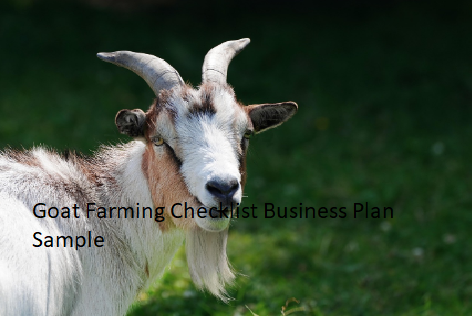
Developing a goat farming checklist business plan sample is the most effective way to transition from an idea to a profitable agricultural enterprise. Many beginners underestimate the operational complexity of managing livestock, leading to preventable losses in their first year. By following a structured approach, you ensure your land, capital, and animal health management align with market demands.
This article provides the foundational components required to launch your operation, helping you avoid common pitfalls while maximizing your potential for growth. Whether you are focusing on meat, milk, or fiber production, the principles remain grounded in meticulous planning and consistent execution.
For a standard commercial setup, a beginner should allocate 0.5 to 1 acre of land for every 10 to 15 goats depending on forage quality. Profitability usually begins once you reach a herd size of 30 to 50 breeding does, which allows you to achieve economies of scale in feed purchasing and veterinary care.
You must maintain a strict culling rate of roughly 10% to 15% annually to ensure the genetic quality and health of your herd remain high. A successful business plan must account for these specific ratios to prevent overgrazing and financial strain.
Market Research and Niche Selection
Before purchasing your first animal, you must identify whether your target market prefers meat, dairy, or fiber. Meat goat breeds like the Boer or Kiko are popular for their rapid growth rates and heavy carcass weights.
Dairy goats such as Nubians or Alpines require a more intensive milking schedule and specialized cooling infrastructure. Fiber breeds like Angora necessitate a completely different set of shearing skills and a specialized textile market for their mohair.
Researching local demand involves visiting regional livestock auctions and interviewing local distributors. Determine if there is a consistent price premium for halal-certified meat or raw goat milk in your immediate vicinity.
Transporting livestock over long distances consumes your profit margins quickly, so your primary customers should ideally be within a 50-mile radius. Documenting these local price points in your goat farming checklist business plan sample will help you forecast revenue with far greater accuracy.
Infrastructure and Housing Requirements
Goats are notoriously sensitive to moisture and drafts, making high-quality shelter a non-negotiable expense. A simple three-sided shed facing away from the prevailing wind is often sufficient, provided it remains dry and well-ventilated.
You must invest in sturdy fencing, as goats are highly intelligent escape artists. Woven wire fencing with a minimum height of 48 inches is the industry standard for keeping predators out and goats in.
Watering systems represent another critical infrastructure component that often gets overlooked. Goats require clean, fresh water at all times; a single doe can consume up to 3 gallons of water daily during peak lactation.
Installing automatic waterers reduces labor significantly but requires a reliable plumbing setup to prevent freezing in winter. If you are starting on a smaller budget, elevated troughs that are easy to scrub daily will prevent the transmission of waterborne parasites.
Herd Health and Veterinary Management
A proactive health program is the difference between a thriving farm and a bankrupt one. You need a dedicated quarantine area to isolate new arrivals for at least 30 days to prevent the introduction of contagious diseases like Caseous Lymphadenitis.
Establishing a relationship with a large-animal veterinarian before you face an emergency is vital for timely intervention. Keep a precise medical log for every animal, including dates for vaccinations, deworming, and hoof trimming.
Parasite control is arguably the most difficult aspect of managing a goat herd. Goats are highly susceptible to internal worms, which can devastate a herd if left untreated.
Implementing a FAMACHA scoring system allows you to check eyelid membranes to identify anemic animals that require targeted deworming. This selective treatment approach prevents the development of drug-resistant parasites, which is a major concern in modern livestock management.
Financial Projections and Startup Costs
Your goat farming checklist business plan sample must include a detailed breakdown of initial capital expenditures versus ongoing operating costs. Start-up costs typically include land preparation, fencing, initial herd procurement, and emergency medical supplies.
You should expect to spend between $200 and $500 per head for quality breeding stock, depending on their pedigree and health certification. Keep at least six months of operating cash in reserve to cover feed costs during lean months or unexpected veterinarian bills.
Ongoing expenses are dominated by feed, which accounts for up to 60% of your total operating budget. Supplementing forage with high-quality hay and grain is necessary during the winter or dry seasons to maintain body condition scores.
You must also account for marketing costs, such as the fees for listing animals on livestock exchanges or attending local farmers’ markets. Use the table below to estimate your initial equipment budget.
| Equipment Category | Estimated Cost Range | Priority Level |
|---|---|---|
| Woven Wire Fencing | $1,500 – $3,000 | High |
| Shelter Construction | $1,000 – $2,500 | High |
| Handling/Chute System | $500 – $1,500 | Medium |
| Feeding/Watering Supplies | $300 – $700 | High |
| Medical Kit/Scale | $200 – $500 | Medium |
Feed and Nutrition Strategy
Goats are browsers rather than grazers, meaning they prefer shrubs, woody plants, and weeds over simple grass. You can significantly reduce your feed costs by implementing a rotational grazing system that forces the herd to clear brush and invasive species.
This practice not only provides free nutrition but also improves the overall health of your pasture land. However, you must monitor the plants in your area carefully, as certain species like wild cherry or azaleas can be toxic to goats.
During the breeding and lactation periods, the nutritional requirements of your does will spike significantly. You will need to provide high-protein supplements such as alfalfa hay or specialized goat pellets to support milk production.
Minerals are another essential component; a loose mineral mix specifically formulated for goats—containing no added copper if you are running sheep alongside them—should be available free-choice. Consult the eXtension Foundation for detailed nutritional guidelines tailored to your specific region and breed.
Operations and Labor Management
Managing a goat herd is a daily commitment that rarely allows for long breaks. You must perform morning and evening checks to monitor for signs of illness or predator interest.
Breeding cycles should be timed to match market demand; for example, if you sell meat goats, you want to time your kidding season so that kids reach market weight during high-demand holidays. This requires careful management of your bucks and does throughout the year.
The labor intensity of your farm depends largely on the level of automation you implement. Milking parlors require twice-daily attendance, whereas meat goat operations can be more flexible, focusing on weekly health checks and pasture moves.
You must document your standard operating procedures (SOPs) for every routine task, from hoof trimming to assisting with difficult births. A well-organized farm uses a checklist for these tasks to ensure nothing is missed during busy seasons.
Marketing and Sales Channels
Your sales strategy should be as robust as your animal husbandry practices. Direct-to-consumer sales, such as selling directly from the farm, usually command the highest price per pound.
Participating in local farmers’ markets or ethnic food festivals can also provide access to customers who value fresh, locally sourced meat. Ensure you are fully aware of the local regulations regarding the slaughter and sale of livestock, as these vary significantly by state and county.
Building a brand around your farm helps you secure repeat customers and premium pricing. Consider the following marketing checklist items to improve your outreach:
-
- Create a professional social media presence to document your farm’s daily life and transparency.
-
- Collect email addresses from customers at markets to notify them of upcoming harvest dates.
-
- Develop relationships with local chefs who may be interested in purchasing niche goat products.
-
- Invest in professional-looking signage for your farm entrance to attract local traffic.
-
- Maintain a simple website that lists your current inventory and pricing structures.
Frequently Asked Questions
How many acres do I need for 100 goats?
You generally need between 5 and 10 acres of high-quality pasture to support 100 goats, depending on the forage density and your willingness to supplement with hay. If your land is poor or lacks browse, you may need upwards of 20 acres to prevent overgrazing and soil erosion.
What is the most profitable goat product?
Profitability varies by region, but meat goat production generally offers the fastest return on investment due to shorter growth cycles. Dairy products can be more lucrative but require significantly higher capital investment in milking equipment, pasteurization, and cold storage.
How many goats do I need to make a profit?
For most small-scale operations, a herd of 30 to 50 does is considered the minimum threshold for reaching consistent profitability. This size allows you to absorb fixed costs like equipment and veterinary visits while producing enough marketable kids to sustain the business.
Is it necessary to have a veterinarian on call?
Yes, having a pre-established relationship with a large-animal vet is essential for managing health crises and herd-level disease prevention. Relying solely on internet advice or neighbors can lead to catastrophic losses during emergencies like bloat or complicated births.
Can I raise goats on a small plot of land?
You can successfully raise a small number of goats on as little as 0.25 acres if you use intensive management techniques like dry-lotting or frequent rotational grazing. However, this requires much higher labor inputs for cleaning and supplemental feeding compared to pasture-based systems.
Strategic Conclusion
Successful goat farming relies on the integration of sound financial planning and rigorous animal welfare standards. By utilizing a goat farming checklist business plan sample, you create a roadmap that helps you manage risks, control costs, and scale your herd at a sustainable pace. Remember that the agricultural industry rewards those who plan for the variables they can control while remaining adaptable to those they cannot.
Start small, prioritize the health of your initial breeding stock, and build your market presence steadily through high-quality products and consistent customer engagement. Taking these methodical steps today will lay the foundation for a productive and rewarding career in livestock management. Keep your documentation updated as your farm evolves, and you will be well-positioned for long-term viability.
