

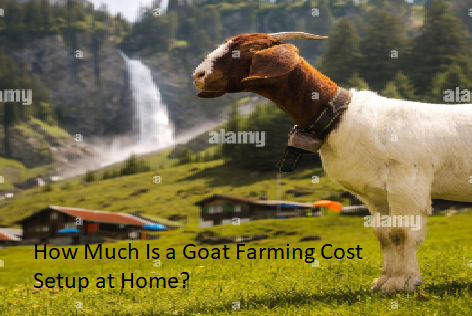
Understanding the goat farming cost setup at home is the first step for anyone looking to transition into small-scale livestock production. Whether you are aiming for milk production, meat, or simple brush management, the financial commitment varies significantly based on your infrastructure choices. Most hobbyists find that the initial investment ranges from $2,000 to $5,000 for a small starter herd of three to five animals, excluding land costs.
By breaking down expenditures into shelter, fencing, veterinary care, and feed, you can create a realistic budget that ensures the health of your animals while keeping your personal finances stable. This overview provides the specific data points needed to launch your small farm project effectively.
Initial Capital Requirements for Infrastructure
The primary driver of your budget is the physical infrastructure required to keep livestock safe and comfortable. You will need a sturdy, dry, and well-ventilated barn or shed to protect goats from harsh weather and predators.
A basic 10×12 foot wooden structure for a small group can cost anywhere from $800 to $2,500 depending on whether you build it from scratch or purchase a pre-fabricated kit. You must also account for flooring materials like rubber mats or deep-litter straw, which add another $200 to $400 to your upfront expenses.
Fencing is often the most underestimated aspect of the goat farming cost setup at home, yet it is non-negotiable for security. Goats are notorious escape artists and require high-quality woven wire or specialized electric netting to stay contained. You should budget approximately $1.50 to $3.00 per linear foot for materials, including heavy-duty posts and tensioners.
For a standard quarter-acre enclosure, expect to spend between $1,200 and $2,000 on fencing supplies alone. Investing in quality materials now prevents costly escapes and keeps local predators like coyotes or stray dogs at bay.
Acquiring Your Starter Herd
The cost of purchasing goats depends heavily on the breed, age, and whether the animals are registered with a breed association. Meat breeds like Kiko or Boer goats often command higher prices than standard dairy breeds, especially if they come from high-quality bloodlines.
On average, you should expect to pay between $250 and $600 per doe, while a quality buck or wether might cost slightly less. Purchasing kids is cheaper, but remember that they require more intensive care and a longer wait time before they are productive.
Always factor in transportation costs when buying your animals, as specialized trailers or crates may be necessary. If you are buying from a breeder in another state, shipping costs can quickly exceed the price of the goats themselves. It is often more economical to find a local breeder within a 50-mile radius to minimize stress on the animals and save on fuel.
You should also set aside a $200 contingency fund for immediate health checks and initial vaccinations upon arrival. Purchasing healthy, vaccinated stock from a reputable source is the best way to protect your initial investment.
Understanding Routine Feeding and Nutrition
Feed represents your most significant ongoing operational expense, and it fluctuates based on the availability of pasture. If your property has high-quality forage, you can reduce grain usage, but you must always provide high-quality hay during winter months.
A round bale of hay can cost between $50 and $100, and a small herd may consume several bales each month depending on the season. Supplementing with loose minerals is essential for preventing deficiencies, costing roughly $30 to $50 per year per goat.
Grain should be treated as a supplement rather than a primary food source to maintain rumen health and control costs. A 50-pound bag of high-quality goat feed typically ranges from $18 to $25, and you should calculate usage based on the specific growth stage of your animals. Lactating does require significantly more energy than dry does or wethers, which will impact your monthly grocery bill.
Many farmers find success by partnering with local feed mills to buy in bulk, which can lower per-bag costs by 10% to 15%. Consistent access to clean water is also vital; installing an automatic waterer or a heated trough will cost roughly $150 to $300 initially.
Veterinary Care and Herd Health
Preventative medicine is the cornerstone of a sustainable goat farming cost setup at home. You will need to budget for annual vaccinations, deworming supplies, and basic medical kits to handle minor injuries or illnesses.
Common vaccinations like CD&T are very affordable, often costing less than $5 per dose, but the initial visit from a large-animal veterinarian can range from $100 to $250. Keeping a well-stocked medical kit with antiseptics, bandages, and electrolytes will save you from emergency call-out fees.
Internal parasites are a constant threat to goats, particularly in humid climates or on small, overgrazed pastures. Effective parasite management requires regular fecal testing, which can be done through a local vet or a private lab for $20 to $40 per sample. You must also invest in a hoof trimmer and basic grooming tools, which will cost around $50 to $100 for a complete kit.
Many resources, such as those provided by the Extension Foundation, offer excellent guidance on creating a customized herd health plan. Spending money on proactive care today prevents expensive, life-threatening emergencies tomorrow.
Budgeting for Equipment and Tools
Beyond the barn and fencing, you will need a variety of tools to manage daily operations efficiently. A sturdy wheelbarrow, pitchforks, shovels, and buckets are essential for cleaning pens and moving feed.
These basic hand tools will likely set you back $300 to $500 if you buy new, though many items can be sourced secondhand to save money. You should also consider the cost of storage containers for grain to keep rodents out, which can add another $100 to $200 to your setup.
If you are planning to milk your goats, the equipment requirements become more specialized and expensive. A basic hand-milking station including a stand, stainless steel buckets, and filters will cost between $300 and $700. If you decide to automate with a vacuum-pump milking machine, the price can jump to $1,500 or more.
It is generally advisable to start with hand-milking to ensure you enjoy the process before committing to high-end machinery. Keep a running list of these small, necessary items to avoid budget creep as you begin your setup.
Comparative Cost Estimates
The following table provides a breakdown of estimated costs for a small, three-goat operation. These figures are based on mid-range equipment and assume you are doing the labor yourself.
| Expense Category | Estimated Cost (USD) |
|---|---|
| Shelter/Barn Construction | $1,200 – $2,000 |
| Fencing Materials | $1,000 – $1,800 |
| Three Starter Goats | $750 – $1,500 |
| Initial Health/Vet Supplies | $200 – $400 |
| Feeders, Waterers, Tools | $400 – $700 |
| Total Estimated Setup | $3,550 – $6,400 |
Managing Hidden Costs and Unexpected Expenses
Every new farm project faces unforeseen challenges that can strain a tight budget. Zoning permits, HOA fees, or specialized insurance policies are often overlooked during the initial planning phase.
Depending on your local jurisdiction, a building permit for your barn might cost anywhere from $50 to $300. If you plan to sell dairy or meat products, you may also need to pay for health department inspections or commercial kitchen certifications.
Land preparation is another factor that varies wildly depending on the condition of your property. If your land is overgrown with invasive species or requires significant drainage work, you might spend $500 to $1,000 on clearing and site grading. Additionally, consider the cost of electricity if you need to run heat lamps for kids or a water heater for troughs.
Many farmers also choose to install a security camera system, costing roughly $200 to $400, to monitor the herd remotely. Always keep a 10% to 15% buffer in your total budget to account for these “invisible” costs that inevitably arise during construction.
Maximising Your Return on Investment
While the goat farming cost setup at home is an investment, there are several ways to offset your initial expenses over time. Selling excess milk, cheese, or soap can provide a steady stream of secondary income if you have the time to process the raw goods.
Breeding high-quality animals for sale as pets or 4-H projects is another popular way to recoup your capital expenditure. You can also rent your goats out for weed management services, which is increasingly popular in suburban areas.
* Sell goat milk, cheese, or yogurt to neighbors and local markets.
* Produce and sell goat milk soap, which has a long shelf life.
* Market your bucklings as meat animals or potential breeding stock.
* Offer “rent-a-goat” services for brush clearing in local neighborhoods.
* Save on fertilizer costs by using nutrient-rich goat manure in your garden.
By diversifying your revenue streams, you turn a hobby into a semi-self-sustaining operation. Focus on one niche first, such as soap making, before expanding into more complex product lines like aged cheeses.
This approach keeps your overhead low while you learn the nuances of animal husbandry. Track every sale and expense in a simple spreadsheet to understand which part of your farm contributes the most to your bottom line.
Frequently Asked Questions
How much land do I need for a small goat herd?
A general rule of thumb is that you can support roughly six to eight goats per acre of high-quality pasture. If your land is rocky or has poor forage, you will need to increase the acreage or rely more heavily on supplemental hay.
Is it cheaper to raise goats for meat or milk?
Raising goats for meat is generally simpler and requires less daily infrastructure, such as milking stations and specialized hygiene equipment. Milk production offers more frequent, smaller revenue streams but demands a much higher commitment to daily labor and sanitation standards.
Do I need a license to start a home goat farm?
Requirements vary significantly by city, county, and state. You should contact your local agricultural extension office or zoning board to confirm if goats are permitted in your area and if you need a permit to build a structure or sell products.
What is the most expensive part of goat farming?
Infrastructure—specifically high-quality fencing and predator-proof shelter—is almost always the largest initial cost. Feed and veterinary care are your most significant recurring expenses, and they will continue for as long as you own the animals.
Can I keep just one goat?
No, goats are highly social herd animals that suffer from extreme stress and poor health when kept alone. You should always start with at least two or three goats to ensure they have the companionship they need to thrive.
Conclusion
The goat farming cost setup at home is a significant financial commitment that requires careful planning and a realistic outlook on ongoing expenses. By prioritizing high-quality fencing and secure shelter, you protect your investment from the start and create a safe environment for your herd. While the initial capital requirement ranges from several thousand dollars, the long-term rewards of self-sufficiency and potential supplemental income make it a fulfilling endeavor for many.
Remember to start small, focus on the health of your animals, and consult with local agricultural experts to ensure you comply with all regional regulations. With diligent management and a clear budget, you can build a successful home operation that provides value for years to come.
