

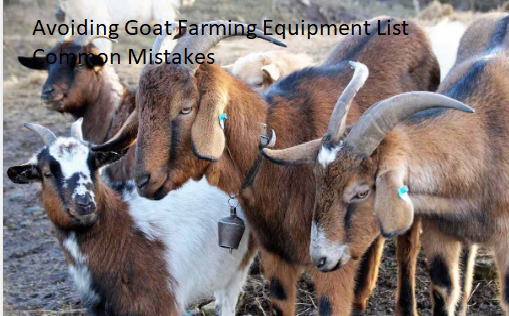
Navigating the complexities of goat farming equipment list common mistakes often determines whether a new operation thrives or faces unnecessary financial strain. Many beginners rush into purchasing high-end gear before understanding the specific needs of their herd, leading to wasted capital and inefficient daily workflows. By focusing on essential infrastructure rather than luxury add-ons, you can ensure your resources go toward animal health and productivity.
Understanding these pitfalls early allows you to build a sustainable system that scales alongside your goats. This article breaks down the most frequent errors in procurement and provides a roadmap for building a functional, cost-effective setup for your farm.
The most frequent error in goat husbandry is over-investing in specialized, pre-fabricated housing while neglecting basic ventilation and parasite control. Beginners often purchase expensive, ready-made shed kits that look aesthetically pleasing but fail to provide the necessary airflow for goats, which are highly susceptible to respiratory issues. These structures frequently lack the adaptability required to manage seasonal changes, leading to damp, ammonia-filled environments.
True success relies on prioritizing dry, well-ventilated space that protects animals from wind and rain. A simple, three-sided shed built from locally sourced, durable materials often outperforms a costly, enclosed commercial structure.
Underestimating the Importance of Fencing
Fencing represents the most significant equipment investment for any goat farm, yet it is where most people cut corners. Using standard cattle panels or basic barbed wire is a major error because goats are notorious for testing boundaries, climbing, and getting their horns stuck. A proper goat fence must be at least 48 inches high and constructed from woven wire with small enough openings to prevent head entrapment.
Investing in high-tensile, electrified netting or specialized fixed-knot fencing provides a long-term solution that reduces daily maintenance. Spending an extra $500 on superior fencing during the setup phase will save thousands in lost animals and destroyed crops over time.
Infrastructure and Feeding Failures
Feeding equipment is another area where efficiency is often traded for convenience, resulting in significant feed waste. Many farmers opt for open-trough feeders, which goats inevitably stand in, defecate on, and tip over. This behavior leads to contaminated feed and increased parasite transmission, which can devastate a herd’s health.
Instead, invest in wall-mounted hay racks or elevated troughs that keep feed off the ground and limit wastage to less than 5%. When you analyze your goat farming equipment list common mistakes, the lack of proper waste-minimization tools is usually the primary factor in high monthly operating costs.
| Equipment Type | Common Mistake | Recommended Solution |
| :— | :— | :— |
| Fencing | Using cattle panels | Woven wire or electric netting |
| Feeders | Open floor troughs | Elevated, wall-mounted racks |
| Waterers | Small plastic buckets | Large troughs with float valves |
| Hoof Care | Using household scissors | Specialized hoof trimmers |
| Shelter | Fully enclosed sheds | Three-sided, ventilated structures |
The Reality of Water Management
Water is the most critical nutrient for goat health, yet it is frequently treated as an afterthought in equipment planning. Beginners often rely on small, portable plastic buckets that require manual refilling multiple times a day. This setup is unsustainable for any herd size larger than three or four animals, as it leads to inconsistent hydration and excessive labor.
Installing a reliable, automated water trough with a float valve ensures your goats have constant access to clean water. You must also account for winter conditions by incorporating heating elements or insulated lines to prevent freezing, which is a common failure point in colder climates.
Essential Tools for Herd Health
Maintaining the health of your animals requires a specific set of tools that go beyond basic farm supplies. Many new farmers fail to stock a comprehensive medical kit until an emergency occurs, leading to unnecessary stress and potential animal loss. Your kit should include items such as a digital thermometer for checking fever, antiseptic sprays for wound care, and a reliable scale for accurate medication dosing.
Accurate dosing is vital because under-dosing anthelmintics contributes to parasite resistance, a major issue in modern goat management. According to guidelines from the eXtension Foundation, proper weight estimation is the only way to ensure effective treatment protocols.
Ignoring Long-term Maintenance Costs
Purchasing equipment based solely on the upfront price tag is a classic trap that hides the true cost of ownership. Low-quality, mass-produced feeders or gates may seem cheap, but they often require replacement within two years due to rust or structural failure. When assessing your goat farming equipment list common mistakes, consider the “cost per year” rather than the initial purchase price.
Investing in galvanized steel gates or heavy-duty hardware may cost 30% more initially, but they often last for over a decade. Building a farm with durable materials reduces the frequency of repairs, allowing you to focus on breeding and management instead of constant equipment maintenance.
The Over-Automation Fallacy
In the age of technology, it is tempting to automate every aspect of the farm, from automated milkers to high-tech monitoring sensors. For small-scale operations, this is often an unnecessary expenditure that creates more technical problems than it solves. High-tech equipment requires specialized parts, software updates, and professional servicing that can be difficult to find in rural areas.
Start by mastering the manual basics—hand milking, visual health checks, and physical fencing inspections—before moving to complex machinery. Automation should only be introduced when the scale of your operation genuinely requires it to save time, not just to add prestige to the farm.
Strategic Tool Organization
The organization of your workspace is an often overlooked aspect of equipment management that directly impacts daily efficiency. Keeping tools scattered around the pasture or stored in unlabelled containers leads to wasted time during critical moments, like checking for signs of labor or treating an injury. A dedicated, dry, and secure storage area—even if it is just a small, well-organized shed—is essential for protecting your investment.
Implementing a simple inventory system where you log the purchase date and maintenance schedule of major items can help you track the lifespan of your gear. This level of organization prevents the common mistake of having to replace tools that were simply misplaced or ruined by improper storage.
Frequently Asked Questions
What is the most common mistake when buying goat fencing?
The most common mistake is using welded wire or cattle panels instead of woven, non-climb fencing. Goats will push against these materials until they break or climb over them, and their horns frequently become caught in the larger grid squares.
Why is my herd wasting so much hay?
Hay waste is almost always caused by using improper feeders that allow the goats to pull hay out, trample it into the dirt, and soil it. Switching to an elevated hay rack that forces the animals to pull hay through a restrictive mesh or bar system will reduce waste significantly.
Do I really need a professional scale for my goats?
Yes, an accurate scale is essential for both monitoring growth rates and calculating proper medication dosages. Guessing a goat’s weight often leads to under-dosing, which is the primary driver of parasite resistance to dewormers in modern herds.
How do I stop my goats from breaking their waterers?
Goats are curious and destructive, so plastic buckets are rarely sufficient for long-term use. Installing a heavy-duty, reinforced metal water trough and protecting the plumbing lines with PVC pipe or timber helps prevent breakage and chewing.
Is it better to buy new or used goat equipment?
Used equipment can be a great value, but you must be careful with items that touch the animals directly, such as feeders or buckets, as they can harbor diseases. Always sanitize used metal equipment thoroughly, and avoid buying used fencing if it shows significant signs of rust or structural compromise.
Avoiding these common pitfalls requires a shift in perspective from buying “everything you might need” to investing in “what you actually need to function.” Focus on high-quality, durable infrastructure for housing and fencing first, as these are the hardest and most expensive items to replace later. By prioritizing animal health and feed efficiency, you set a strong foundation for a productive operation.
Regularly reviewing your goat farming equipment list common mistakes against your daily operational reality will help you identify where you can improve your process. Take the time to build slowly, and your farm will benefit from both improved animal welfare and reduced long-term costs. If you are just starting, focus on the essentials and scale your gear as your herd size and experience grow.
